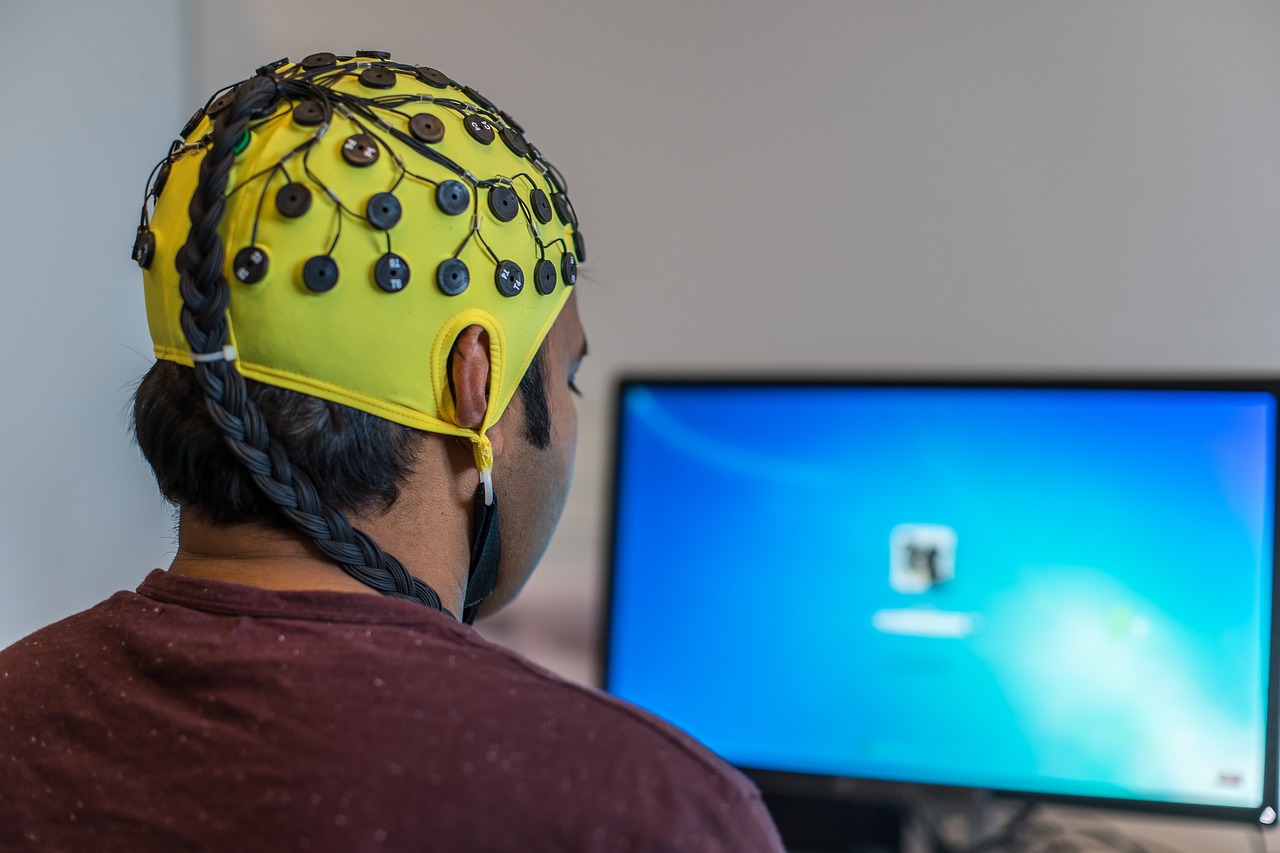
Your brain is not a static organ frozen in time—it’s a dynamic, adaptable powerhouse capable of remarkable transformation throughout your entire life. The revolutionary discovery of neuroplasticity has fundamentally changed how we understand learning, memory, and cognitive health as we age.

For decades, scientists believed that brain development peaked in early adulthood and then gradually declined. Today, we know this couldn’t be further from the truth. Your brain possesses an extraordinary ability to rewire itself, form new neural connections, and even generate new neurons well into your golden years. This opens up unprecedented opportunities for personal growth, skill acquisition, and cognitive enhancement regardless of your current age.
The Science Behind Brain Plasticity: Your Mind’s Incredible Architecture 🧠
Neuroplasticity refers to your brain’s ability to reorganize itself by forming new neural connections throughout life. This biological flexibility allows neurons in your brain to adjust their activities in response to new situations, environmental changes, and learning experiences. Every time you learn something new, practice a skill, or even change your thought patterns, you’re physically reshaping your brain’s structure.
Research has identified several key mechanisms that drive neuroplasticity. Synaptic plasticity strengthens or weakens connections between neurons based on how frequently they communicate. Neurogenesis creates entirely new neurons, particularly in the hippocampus—the brain region crucial for learning and memory. Cortical remapping allows different brain areas to take over functions previously handled by damaged regions.
The most exciting aspect of this discovery is that plasticity doesn’t have an expiration date. While it’s true that young brains exhibit greater plasticity, adult brains maintain significant capacity for change and growth. Studies of musicians, taxi drivers, and multilingual individuals have demonstrated substantial structural brain changes even when these skills were acquired later in life.
Cognitive Reserve: Building Your Brain’s Resilience Fund
Think of cognitive reserve as your brain’s savings account—the more you deposit through mentally stimulating activities, the better protected you are against age-related decline and neurological conditions. This concept explains why some individuals maintain sharp cognitive function despite having brain changes associated with Alzheimer’s disease or other conditions.
Building cognitive reserve involves engaging in activities that challenge your brain in novel ways. Education, complex occupational demands, social engagement, and intellectually stimulating hobbies all contribute to this protective buffer. The key is variety and challenge—your brain thrives on novelty and complexity rather than repetitive, familiar tasks.
Lifestyle Factors That Maximize Cognitive Reserve
- Continuous learning: Taking courses, learning instruments, or studying new languages creates rich neural networks
- Social connections: Meaningful relationships and conversations stimulate multiple brain regions simultaneously
- Physical exercise: Aerobic activity increases blood flow to the brain and promotes neurogenesis
- Quality sleep: Deep sleep consolidates memories and clears metabolic waste from brain tissue
- Stress management: Chronic stress releases cortisol that can damage hippocampal neurons
- Nutritional support: Brain-healthy diets rich in omega-3s, antioxidants, and B vitamins protect neural integrity
Learning Strategies That Leverage Neuroplasticity at Any Age 📚
Understanding how your brain changes allows you to adopt learning strategies specifically designed to maximize plasticity. Traditional educational approaches often ignore these neurological principles, but you can harness them for more effective skill acquisition and knowledge retention.
Spaced repetition exploits your brain’s memory consolidation processes by reviewing information at strategically timed intervals. This technique strengthens synaptic connections more effectively than cramming. Interleaving—mixing different topics or skills during practice sessions—forces your brain to actively discriminate between concepts, leading to deeper understanding and better transfer of knowledge.
Active recall, where you test yourself rather than passively reviewing material, creates stronger memory traces. The effort required to retrieve information actually strengthens the neural pathways involved. Similarly, elaborative rehearsal—connecting new information to existing knowledge—builds richer, more accessible memory networks.
The Power of Deliberate Practice
Not all practice creates equal brain changes. Deliberate practice involves focused attention on specific aspects of performance that are just beyond your current ability level. This “sweet spot” of difficulty triggers the most robust plastic changes. Whether you’re learning piano, improving your golf swing, or mastering a new programming language, pushing slightly past your comfort zone activates the neural adaptation mechanisms.
Breaking complex skills into manageable components, receiving immediate feedback, and maintaining intense concentration during practice sessions all enhance plasticity-driven improvement. The key is consistency—regular, challenging practice over extended periods produces the most dramatic structural brain changes.
Neuroplasticity Across the Lifespan: What to Expect and How to Optimize 🌱
Your brain’s plastic potential shifts throughout life, but understanding these changes allows you to work with your neurology rather than against it. Each life stage presents unique opportunities and challenges for cognitive development.
Childhood and Adolescence: Critical Periods and Sensitive Windows
Young brains exhibit exceptional plasticity, with critical periods for language acquisition, sensory processing, and social development. However, this heightened plasticity also makes young brains more vulnerable to adverse experiences. Enriched environments, play-based learning, and secure attachments during these years establish foundational neural architecture that influences lifelong cognitive health.
Young and Middle Adulthood: Strategic Optimization
While raw processing speed may gradually decline, adults develop superior pattern recognition, emotional regulation, and strategic thinking. Adult brains excel at integrating complex information and making nuanced judgments. This period offers prime opportunities to develop expertise, as adults possess both sufficient plasticity and the focus needed for sustained deliberate practice.
Maintaining cognitive health during these decades involves balancing mental challenges with recovery. Chronic overwork and stress can impair plasticity, while strategic intellectual challenges combined with adequate rest optimize brain function. This is also the ideal time to invest in cognitive reserve through diverse learning experiences.
Older Adulthood: Sustained Potential and Wisdom
The aging brain demonstrates remarkable resilience and continued plasticity when properly stimulated. While some processing speed decreases occur, older adults often show enhanced vocabulary, accumulated knowledge, and improved emotional well-being. Research subjects in their 60s, 70s, and beyond have successfully learned new languages, musical instruments, and complex technologies.
The key to maintaining cognitive vitality in later life involves staying mentally, physically, and socially active. Novel experiences that combine multiple cognitive domains—such as learning to dance, which integrates motor skills, memory, social interaction, and spatial awareness—produce particularly robust benefits.
Brain Training: Separating Science from Marketing Hype 🎯
The brain training industry generates billions in revenue with promises of enhanced intelligence and cognitive protection. However, scientific evidence presents a more nuanced picture. While training specific skills certainly improves performance on those exact tasks, the critical question is whether benefits transfer to real-world cognitive abilities.
Research suggests that narrow, game-like cognitive training often produces limited transfer effects. However, certain interventions show more promise. Training working memory through progressively challenging tasks may improve attention and fluid reasoning. Meditation practices strengthen attention control and emotional regulation networks. Physical exercise, particularly activities requiring coordination and strategy, enhances multiple cognitive domains simultaneously.
The most effective approach combines varied mental challenges embedded in meaningful contexts. Learning a new language provides vocabulary practice, grammar rules, cultural knowledge, and social opportunities. Playing a musical instrument develops motor skills, auditory processing, reading notation, and emotional expression. These rich, multifaceted activities engage multiple brain systems and produce broader cognitive benefits than isolated training exercises.
Technology and Tools for Cognitive Enhancement ⚡
Modern technology offers unprecedented tools for supporting brain health and learning. When used strategically, these resources can accelerate skill acquisition and help maintain cognitive function. The key is choosing evidence-based approaches that genuinely challenge your brain rather than providing passive entertainment.
Language learning applications that use spaced repetition algorithms help optimize memory consolidation. Meditation apps guide mindfulness practices that strengthen attention networks. Brain-training programs with solid research backing, like those targeting working memory or processing speed, may offer modest benefits when used consistently.
However, technology should complement rather than replace fundamental plasticity-promoting activities. No app can substitute for face-to-face social interaction, physical exercise, or the deep focus required for mastering complex skills. The most effective approach integrates technology with traditional learning methods and real-world application.
Nutrition and Supplementation for Optimal Brain Function 🥗
Your brain’s physical structure depends on the nutrients you provide through diet. While no single food or supplement magically boosts intelligence, certain dietary patterns consistently support cognitive health and neuroplasticity.
The Mediterranean diet, rich in vegetables, fruits, whole grains, legumes, fish, and olive oil, shows strong associations with reduced cognitive decline and lower dementia risk. Omega-3 fatty acids, particularly DHA, serve as building blocks for neuronal membranes and support synaptic plasticity. B vitamins, especially B12, B6, and folate, regulate homocysteine levels that can damage neurons when elevated.
Antioxidants from colorful fruits and vegetables protect against oxidative stress that accumulates with age. Flavonoids in berries, dark chocolate, and tea show particular promise for supporting memory and learning. Adequate hydration matters too—even mild dehydration impairs attention and working memory.
Evidence-Based Supplements Worth Considering
- Omega-3 fatty acids: Support neuronal structure and reduce inflammation
- Vitamin D: Deficiency linked to cognitive decline; supplementation may help if levels are low
- B-complex vitamins: Support neurotransmitter production and myelin maintenance
- Magnesium: Involved in synaptic plasticity and neuroprotection
- Creatine: May enhance cognitive performance, particularly under stress or sleep deprivation
Always consult healthcare providers before starting supplementation, as individual needs vary based on diet, genetics, and health status.
Movement as Medicine: Exercise and Brain Plasticity 🏃♀️
Physical exercise ranks among the most powerful interventions for promoting neuroplasticity and cognitive longevity. Aerobic exercise increases production of brain-derived neurotrophic factor (BDNF), often called “fertilizer for the brain,” which supports neurogenesis and synaptic plasticity.
Regular cardiovascular activity improves blood flow to the brain, delivering oxygen and nutrients while removing metabolic waste. Studies show that moderate-intensity aerobic exercise for 30-45 minutes, three to five times weekly, enhances memory, executive function, and processing speed across all age groups.
Resistance training also contributes to brain health by reducing inflammation, improving insulin sensitivity, and releasing muscle-derived factors that benefit neural tissue. Perhaps most intriguingly, complex movement activities that require coordination, balance, and spatial awareness—like dance, martial arts, or team sports—engage multiple brain regions simultaneously and may provide superior cognitive benefits compared to simple, repetitive exercises.
Social Connection: The Overlooked Pillar of Cognitive Health 👥
Your brain evolved primarily for navigating social relationships, and maintaining meaningful connections throughout life profoundly impacts cognitive function. Social isolation ranks as a significant risk factor for cognitive decline, while rich social networks provide protective benefits comparable to other lifestyle interventions.
Conversations require complex cognitive processing—tracking multiple perspectives, interpreting emotional cues, accessing memories, and generating appropriate responses. These demands exercise attention, memory, and executive function networks. Meaningful relationships also buffer stress, provide emotional support, and often encourage health-promoting behaviors.
Quality matters more than quantity. A few deep, supportive relationships provide more cognitive benefits than numerous superficial connections. Activities that combine social interaction with other brain-healthy elements—joining book clubs, taking group fitness classes, volunteering, or learning new skills with others—offer compounded benefits.
Stress, Sleep, and Mental Health: Protecting Your Plastic Brain 💤
While positive challenges promote plasticity, chronic stress actively damages it. Prolonged cortisol elevation shrinks the hippocampus, impairs memory formation, and reduces BDNF production. Managing stress through proven techniques—mindfulness meditation, regular exercise, time in nature, and strong social support—protects your brain’s adaptive capacity.
Sleep deserves recognition as perhaps the most critical factor for cognitive health. During deep sleep, your brain consolidates memories, integrates learning, and clears accumulated metabolic waste through the glymphatic system. Chronic sleep deprivation impairs attention, memory, emotional regulation, and decision-making while accelerating cognitive aging.
Mental health conditions like depression and anxiety also impact plasticity and cognitive function. Depression reduces hippocampal volume and impairs memory formation, while anxiety disrupts attention and executive function. Addressing mental health through therapy, lifestyle changes, or medical treatment when necessary protects long-term cognitive vitality.
Creating Your Personal Cognitive Longevity Plan 🗺️
Understanding neuroplasticity principles is valuable only when translated into consistent action. Creating a personalized plan that fits your life circumstances, interests, and goals maximizes the likelihood of sustained implementation.
Start by assessing your current cognitive lifestyle across key domains: mental stimulation, physical activity, social engagement, stress management, sleep quality, and nutrition. Identify areas needing improvement and select one or two initial changes rather than attempting wholesale transformation.
Choose mentally stimulating activities you genuinely enjoy—sustainability matters more than intensity. If you hate crossword puzzles, don’t force them. Perhaps learning to cook international cuisine, taking photography classes, or joining a chess club would engage you more effectively. The best cognitive exercise is the one you’ll actually do consistently.
Sample Weekly Cognitive Fitness Routine
- Monday: 30-minute aerobic exercise + 20-minute language learning session
- Tuesday: Social activity (dinner with friends, group class) + reading challenging material
- Wednesday: Resistance training + practicing musical instrument or artistic hobby
- Thursday: Aerobic exercise + working on complex mental task (learning new software, strategy game)
- Friday: Social engagement + cooking new recipe or creative project
- Weekend: Longer physical activity (hiking, dancing) + extended learning project + quality social time
- Daily: 7-8 hours quality sleep + stress management practice + brain-healthy meals

Embracing Lifelong Growth: Your Cognitive Journey Ahead ✨
The discovery of lifelong neuroplasticity fundamentally changes how we approach aging, learning, and human potential. Your cognitive destiny isn’t predetermined by genetics or locked in after youth—it remains remarkably responsive to how you live each day.
Every challenging conversation, every new skill practiced, every workout completed, and every good night’s sleep contributes to your brain’s ongoing evolution. Small, consistent actions accumulate into dramatic long-term changes. Starting today, regardless of your age, you can take concrete steps to enhance cognitive function, build resilience against decline, and unlock capabilities you didn’t know you possessed.
The most empowering aspect of neuroplasticity research is its democratic nature—these principles work for everyone willing to apply them. You don’t need expensive interventions or exceptional circumstances. The fundamentals that promote brain health and cognitive longevity are accessible through daily choices about movement, mental engagement, social connection, and self-care.
Your brain’s potential remains vast and largely untapped. By understanding and leveraging plasticity principles, you can continue learning, growing, and thriving at any age. The question isn’t whether your brain can change—science has definitively answered that. The question is: what will you do with this remarkable capacity for transformation?