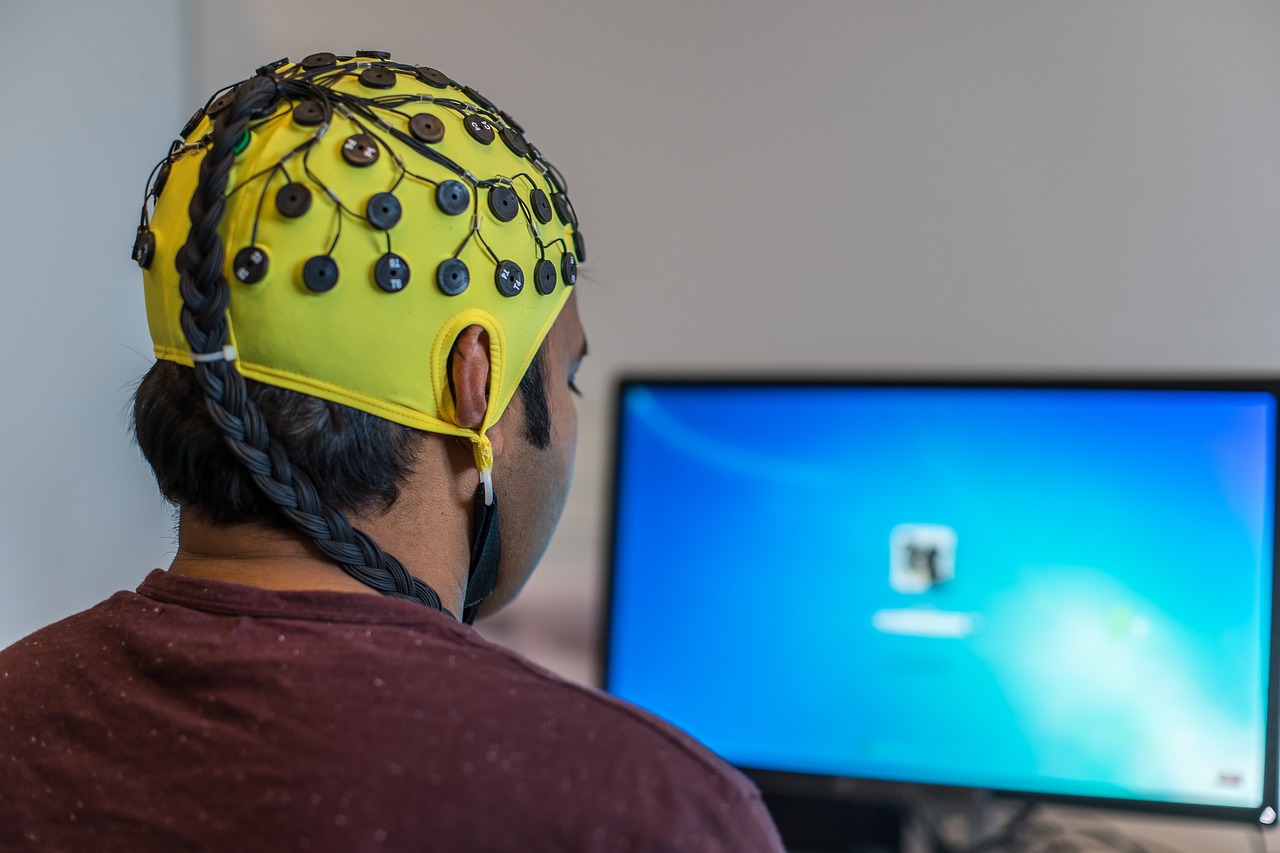
Flow is that magical state where time disappears, and you perform at your absolute best. Discovering how to enter this zone consistently transforms both productivity and satisfaction in everything you do.

The concept of flow has fascinated psychologists, athletes, artists, and high performers for decades. Understanding the precise conditions that trigger this optimal state of consciousness can revolutionize how you approach work, hobbies, and personal development. By mastering the delicate balance between challenge and skill, setting crystal-clear goals, and implementing instant feedback mechanisms, you can unlock levels of performance you never thought possible.
🎯 Understanding the Flow State: Your Gateway to Peak Performance
Flow, first identified by psychologist Mihaly Csikszentmihalyi in the 1970s, represents a state of complete immersion in an activity. During flow, your sense of self fades away, worries disappear, and your performance reaches extraordinary levels. Athletes call it “being in the zone,” while artists describe it as losing themselves in their craft.
This isn’t just psychological theory—neuroscience reveals that during flow states, your brain releases a powerful cocktail of neurochemicals including dopamine, norepinephrine, endorphins, anandamide, and serotonin. These chemicals enhance pattern recognition, lateral thinking, and overall cognitive performance while simultaneously reducing the activity in your prefrontal cortex through a process called transient hypofrontality.
The result? You perform better with less conscious effort. Tasks that normally drain your mental energy suddenly feel effortless. Complex problems that would typically frustrate you become engaging puzzles. This is the transformative power of flow.
⚖️ The Challenge-Skill Balance: Finding Your Perfect Sweet Spot
The foundation of flow lies in achieving the perfect equilibrium between the challenge you face and the skills you possess. This balance is not static—it’s a dynamic relationship that requires constant calibration.
When Challenges Exceed Skills: The Anxiety Zone
If you attempt tasks far beyond your current abilities, anxiety takes over. Your nervous system perceives threat, cortisol floods your body, and your performance actually decreases. You might recognize this feeling: overwhelmed, stressed, and unable to think clearly. This zone prevents flow and can lead to burnout if sustained.
When Skills Exceed Challenges: The Boredom Zone
Conversely, when your skills far surpass the challenge at hand, boredom sets in. Your brain disengages because there’s insufficient stimulation to maintain attention. You might find yourself distracted, unmotivated, and mentally checking out. While this zone feels safer, it prevents growth and makes flow impossible.
The Flow Channel: Where Magic Happens
Flow exists in the narrow channel where challenges stretch your abilities by approximately 4-10% beyond your current skill level. This sweet spot provides enough difficulty to engage your full attention while remaining achievable enough to prevent anxiety. You’re pushing boundaries without breaking.
To maintain this balance, you must constantly adjust. As your skills improve through practice, you need to increase the challenge. This creates an upward spiral of growth, where flow experiences drive skill development, which then enables you to tackle progressively more difficult challenges.
🎪 Practical Strategies for Balancing Challenge and Skill
Achieving the optimal challenge-skill balance requires intentional design of your activities and environment. Here are proven strategies to find and maintain your flow channel:
- Skill Assessment: Honestly evaluate your current capabilities in any domain. Use objective measures when possible—metrics, times, scores, or feedback from experts.
- Progressive Overload: Increase difficulty incrementally. In physical training, this means adding small weights regularly. In cognitive work, it means tackling slightly more complex problems consistently.
- Challenge Modification: Break overwhelming tasks into smaller components that match your skill level, or add constraints to simple tasks to increase difficulty.
- Skill Development: Deliberately practice the foundational skills required for your chosen activity. This expands your capacity to handle greater challenges.
- Real-Time Adjustment: Monitor your emotional state. Anxiety signals challenges are too high; boredom indicates they’re too low. Adjust immediately.
🎯 Clear Goals: Your Compass in the Flow State
Flow requires absolute clarity about what you’re trying to achieve. Vague intentions or ambiguous objectives fragment attention and prevent deep immersion. Your goals must be specific, immediate, and personally meaningful.
The Characteristics of Flow-Inducing Goals
Effective goals for flow states share several critical features. They must be concrete enough that you know instantly whether you’re moving toward or away from them. They should be proximate—focused on what you can accomplish in the current session rather than distant future outcomes. And they must be intrinsically motivating, connected to your genuine interests rather than external pressures.
Consider the difference between “improve at chess” and “execute the Sicilian Defense successfully against this opponent in the next game.” The second goal provides clear direction, immediate relevance, and unambiguous success criteria. This specificity channels attention powerfully.
Creating Micro-Goals Within Macro-Objectives
Long-term objectives are essential for life direction, but they’re too distant to trigger flow. The solution is creating a hierarchy of goals—from overarching life aims down to minute-by-minute targets. During any flow session, you focus exclusively on the immediate micro-goals while the broader context provides meaning.
A software developer might have the macro-goal of building a revolutionary application, but during a coding session, the flow-inducing goal might be “implement this specific function that passes all unit tests.” The micro-goal channels attention; the macro-goal provides purpose.
⚡ Instant Feedback: The Accelerator of Flow Experience
Flow states intensify when you receive immediate, unambiguous feedback about your performance. This feedback loop tells you whether you’re on track, allowing continuous micro-adjustments that keep you in the optimal challenge-skill channel.
Why Instant Feedback Matters
Delayed or ambiguous feedback breaks immersion. If you must wait hours or days to learn whether your actions were effective, you cannot maintain flow. Your brain needs real-time information to stay engaged and adjust performance dynamically.
Consider video games—masters of flow induction. Every action produces immediate visual and auditory feedback. Points appear instantly, enemies react immediately, and success or failure is obvious within seconds. This tight feedback loop is why games are so absorbing and why game design principles increasingly influence productivity tools.
Building Feedback Systems Into Your Activities
Some activities have built-in feedback. Musicians hear immediately whether they hit the right notes. Rock climbers feel instantly whether their grip holds. Athletes see their times on the clock. But many modern knowledge-work activities lack these natural feedback mechanisms.
The solution is deliberately engineering feedback into your work. Track metrics that update frequently. Create visual progress indicators. Establish regular check-points where you assess quality against clear standards. Use tools and applications that provide real-time performance data.
- Quantitative Metrics: Words written, lines of code completed, problems solved, pages read with comprehension
- Qualitative Checkpoints: Does this paragraph communicate clearly? Does this design element serve its function? Is this solution elegant?
- Physical Sensations: In activities like sports, dance, or martial arts, your body provides constant feedback about technique and effort
- Social Feedback: In collaborative work, immediate responses from teammates or audiences provide valuable information
- Environmental Feedback: Changes in your environment that reflect your actions—a cleaned room, an organized workspace, a completed assembly
🧠 The Neuroscience of Flow: What Happens in Your Brain
Understanding the neurological underpinnings of flow helps you deliberately trigger these states. During flow, your brain undergoes remarkable changes that enhance performance while reducing perceived effort.
The prefrontal cortex—responsible for self-monitoring, self-criticism, and sense of time—temporarily deactivates during flow. This transient hypofrontality explains why your inner critic quiets, time distorts, and self-consciousness disappears. Your brain allocates resources away from these functions and toward processing the immediate task.
Simultaneously, your brain releases performance-enhancing neurochemicals. Norepinephrine and dopamine increase focus and pattern recognition. Endorphins reduce pain perception and create feelings of euphoria. Anandamide promotes lateral thinking and creativity. This neurochemical cocktail explains why flow feels good while simultaneously improving performance.
🏆 Flow Across Domains: From Sports to Creative Work
Flow is domain-independent. The same principles that help athletes achieve peak performance apply equally to artists, programmers, writers, teachers, and professionals in any field. Understanding how flow manifests across different domains reveals universal principles you can apply.
Flow in Physical Performance
Athletes frequently experience flow during competition and training. The immediate feedback from their body, clear objectives of the sport, and precise challenge-skill balance create ideal conditions. A basketball player making shot after shot, a runner finding their perfect pace, or a surfer reading waves perfectly—these are classic flow states.
Flow in Creative Expression
Artists, musicians, and writers often describe flow as essential to their best work. The painter who loses hours without noticing, the writer whose characters seem to act independently, or the musician improvising effortlessly—all experience flow. Creative flow often involves slightly different conditions, with more internal feedback and self-generated goals, but the fundamental principles remain consistent.
Flow in Intellectual Work
Knowledge workers can access flow through properly structured tasks. Programmers debugging complex code, scientists analyzing data patterns, or strategists solving business problems all enter flow when conditions align. The key is creating clear sub-goals, establishing feedback mechanisms, and maintaining appropriate challenge levels.
🛠️ Practical Flow Triggers: Engineering Your Environment
Beyond the core conditions of challenge-skill balance, clear goals, and instant feedback, certain environmental and psychological triggers reliably increase flow probability.
Deep Embodiment: Physical engagement with your activity increases flow likelihood. This explains why activities involving full-body movement—sports, dance, martial arts—frequently induce flow. Even in desk work, incorporating physical elements like standing, walking, or hand movements can help.
Rich Environment: Novelty, complexity, and unpredictability engage attention powerfully. Environments with multiple sensory inputs and dynamic elements increase flow potential. This is why outdoor activities often generate flow more easily than indoor equivalents.
High Consequences: When outcomes matter—whether physically, emotionally, socially, or creatively—attention naturally focuses. Risk (managed appropriately) concentrates the mind. This doesn’t require danger; creative, social, or intellectual consequences also work.
Eliminating Distractions: Flow requires unbroken attention. Notifications, interruptions, and multitasking destroy flow states. Create protected time blocks where interruption is impossible.
📱 Technology and Flow: Tools That Help and Hinder
Technology has a paradoxical relationship with flow. Digital tools can facilitate flow through better feedback, progress tracking, and challenge adjustment. However, the same technologies often fragment attention and prevent the deep focus flow requires.
Applications designed with flow principles provide immediate feedback, clear progress indicators, and adaptive difficulty. Productivity tools that gamify progress, creative software that responds instantly to inputs, and learning applications that adjust to your skill level can all support flow states.
However, the constant connectivity, notifications, and attention-fragmenting design of many platforms actively prevents flow. Social media, email, and messaging applications interrupt the sustained focus necessary for deep immersion.
The solution is selective technology use. Employ tools that enhance the core flow conditions while eliminating those that fragment attention. Use website blockers during focus sessions, disable notifications completely, and choose applications specifically designed to support deep work.
🔄 The Flow Lifestyle: Making Peak Performance Your Default
Experiencing occasional flow states is valuable, but the real transformation comes from structuring your life to maximize flow opportunities. This requires deliberate life design around flow principles.
Start by identifying activities that naturally induce flow for you. These are typically pursuits where you lose track of time, feel intrinsically motivated, and perform at your best. Increase the proportion of your life devoted to these activities while reducing time spent in anxiety-inducing challenges beyond your capabilities or mind-numbing tasks below them.
Structure your days with protected blocks for deep work. Morning hours, when mental energy peaks for most people, are ideal for flow-intensive activities. Batch shallow tasks—email, meetings, administrative work—into dedicated periods that don’t interrupt flow potential.
Continuously develop skills in domains that matter to you. As your abilities grow, progressively increase challenges to maintain that optimal 4-10% stretch beyond current capabilities. This creates an upward spiral where flow experiences drive skill development, enabling access to progressively more complex and rewarding challenges.
💡 Common Flow Blockers and How to Overcome Them
Even with proper understanding, several common obstacles prevent flow. Recognizing and addressing these blockers dramatically increases your flow frequency.
Perfectionism: The need for flawless performance creates self-consciousness that prevents flow. Instead, focus on the process and improvement rather than perfect outcomes. Flow itself will elevate your performance beyond what conscious perfectionism achieves.
Unclear Success Criteria: Without knowing what “good” looks like, you cannot receive meaningful feedback. Define specific, measurable standards before beginning flow activities.
Multitasking: Flow requires complete attention on a single task. Attempting multiple activities simultaneously fragments focus and makes flow impossible. Practice single-tasking ruthlessly.
Insufficient Recovery: Flow is neurochemically expensive. Your brain needs recovery between intense flow sessions. Ensure adequate sleep, nutrition, and rest to replenish the neurochemical resources flow depletes.
External Pressure: Flow emerges from intrinsic motivation. While some external stakes can help, excessive external pressure and judgment create anxiety that prevents flow. Focus on autotelic activities—those rewarding in themselves.
🌟 Your Flow Practice: Starting Today
Understanding flow intellectually differs profoundly from experiencing it regularly. Building a consistent flow practice requires deliberate experimentation and refinement.
Begin by selecting one activity where you’ll consciously cultivate flow. Choose something you already enjoy and have moderate skill in—this provides the foundation for quick wins. Design a session with clear goals, appropriate challenge level, and immediate feedback mechanisms. Eliminate all potential distractions. Then engage fully, monitoring your subjective experience.
After the session, reflect on what worked. Did you achieve flow? What factors helped or hindered? How can you adjust conditions for your next attempt? This experimentation process gradually reveals your personal flow triggers and optimal conditions.
Track your flow experiences. Note when they occur, how long they last, and what conditions preceded them. Patterns will emerge, revealing your unique flow formula. Over time, you’ll develop the ability to enter flow states more reliably and sustain them longer.
The mastery of flow represents one of the most valuable skills you can develop. By understanding and implementing the core principles—maintaining optimal challenge-skill balance, establishing crystal-clear goals, and creating instant feedback systems—you transform not only your performance but your entire experience of work and life. Flow converts effort into joy, transforms obstacles into opportunities, and unlocks capabilities you didn’t know you possessed. Start your flow practice today, and discover what you’re truly capable of achieving. 🚀