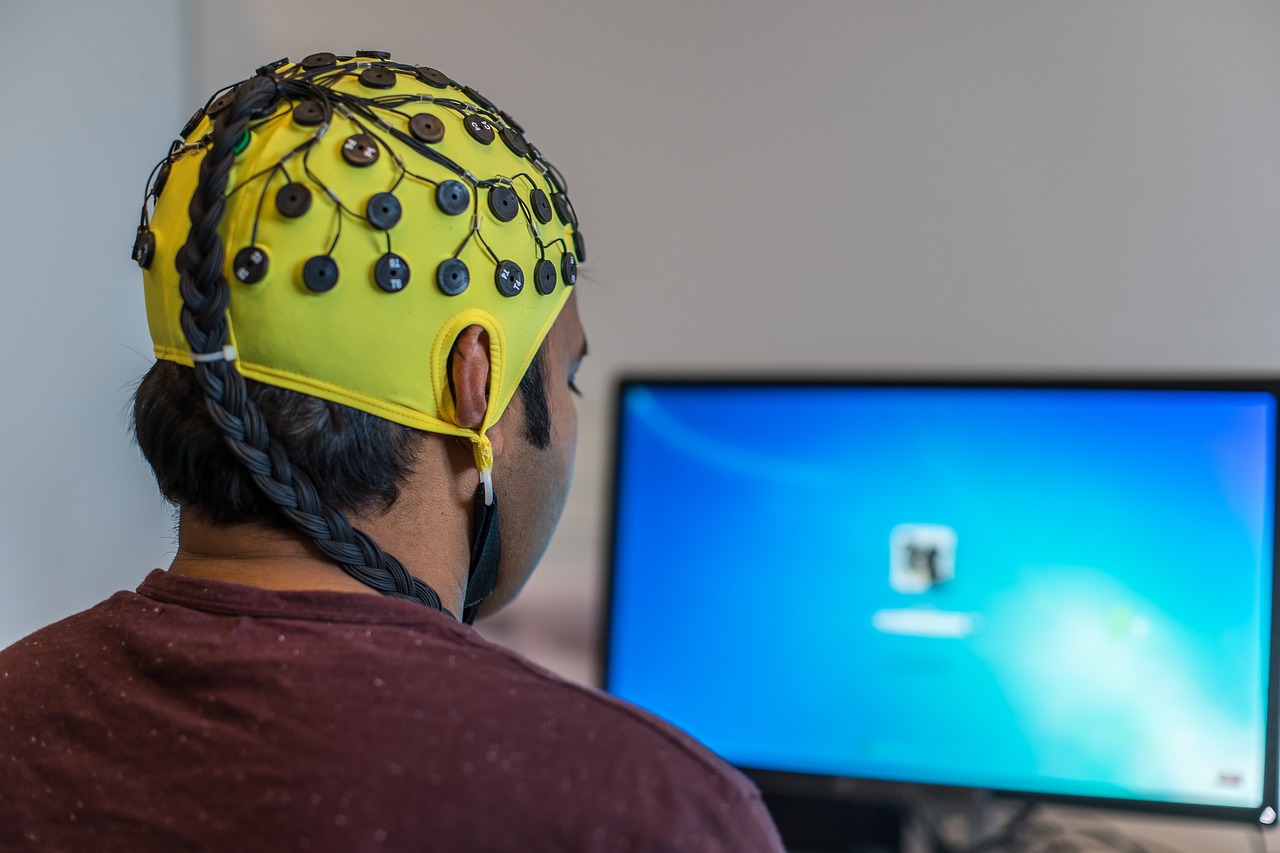
The pursuit of peak performance has captivated athletes, artists, entrepreneurs, and high achievers across every domain. Understanding the neurochemical foundations behind those transcendent moments when everything clicks can transform how we approach our craft and daily lives.

Modern neuroscience has revealed that exceptional performance isn’t mysterious or reserved for the genetically gifted. Instead, it’s anchored in specific brain chemistry patterns involving dopamine, norepinephrine, anandamide, and other neurochemicals that create what researchers call the “flow state.” By understanding these molecular mechanisms, we can deliberately engineer conditions that maximize our potential and sustain high-level performance over time.
🧠 The Neurochemical Cocktail Behind Extraordinary Performance
When you experience those rare moments of effortless excellence—whether sinking a perfect three-pointer, delivering a flawless presentation, or writing code that seems to materialize from nowhere—your brain is bathing in a precise combination of performance-enhancing chemicals. This neurochemical signature isn’t random; it’s the result of specific conditions that trigger particular brain regions and neurotransmitter systems.
Flow states represent the pinnacle of human performance, characterized by complete absorption in an activity, distorted time perception, and seemingly superhuman capabilities. Scientists have identified five primary neurochemicals responsible for creating and sustaining these optimal performance states: dopamine, norepinephrine, anandamide, endorphins, and serotonin.
Dopamine: The Reward and Focus Amplifier
Dopamine serves as your brain’s primary reward and motivation chemical, but its role in peak performance extends far beyond simple pleasure. During flow states, dopamine levels increase substantially, creating several performance-enhancing effects that compound to produce remarkable results.
This neurotransmitter sharpens pattern recognition by up to 240%, allowing you to spot connections and solutions that would normally remain invisible. Athletes describe seeing the game in slow motion, while chess masters report visualizing dozens of moves ahead—both examples of dopamine-enhanced pattern recognition in action.
Dopamine also tightens focus by gating information flow in the prefrontal cortex, filtering out irrelevant stimuli while amplifying signal clarity for task-relevant information. This chemical filtering system explains why flow states feel so singularly focused—your brain is literally suppressing everything except what matters most in the present moment.
Norepinephrine: The Arousal and Speed Optimizer
While dopamine handles reward and pattern recognition, norepinephrine governs arousal, attention, and neural efficiency. During peak performance states, norepinephrine levels spike, creating a cascade of cognitive and physical enhancements that complement dopamine’s effects.
This stress hormone increases heart rate and triggers glucose release, providing immediate energy to muscles and brain tissue. Simultaneously, it accelerates neural processing speed, effectively overclocking your brain’s computational capacity. Reaction times quicken, decision-making accelerates, and the gap between perception and action narrows dramatically.
Norepinephrine also enhances emotional control by modulating activity in the amygdala, your brain’s fear center. This neurochemical shift explains why people in flow often describe feeling fearless—they’re not ignoring danger through recklessness but experiencing genuine neurochemical suppression of fear responses.
💫 Anandamide: The Bliss Molecule That Unlocks Creativity
Perhaps the most fascinating neurochemical in the flow state arsenal is anandamide, an endogenous cannabinoid whose name derives from the Sanskrit word “ananda,” meaning bliss. This endocannabinoid produces effects remarkably similar to THC, the active compound in cannabis, but it’s manufactured naturally in your own brain under specific conditions.
Anandamide elevates mood and diminishes fear, creating the euphoric sensation often reported during peak performance experiences. Athletes call it “runner’s high,” while extreme sports enthusiasts describe it as the “stoke”—that ineffable feeling that makes challenging activities deeply rewarding despite physical discomfort or risk.
The Lateral Thinking Advantage
Beyond mood elevation, anandamide’s most profound effect may be enhancing lateral thinking and creative problem-solving. This molecule promotes remote association—the ability to connect seemingly unrelated concepts—by increasing communication between brain regions that don’t normally interact extensively.
This neurochemical state explains those breakthrough moments when solutions appear fully formed, as if downloaded from elsewhere. You’re not channeling divine inspiration; you’re experiencing enhanced neural connectivity that allows disparate memory systems and processing modules to collaborate in novel ways.
Pain Relief and Endurance Extension
Anandamide also functions as a powerful analgesic, dampening pain signals throughout the body. This explains how ultramarathon runners continue for hours beyond what should be physiologically tolerable, or how dancers push through injury during performances. The pain isn’t imaginary—it’s neurochemically suppressed.
⚡ The Endorphin and Serotonin Supporting Cast
While dopamine, norepinephrine, and anandamide form the core neurochemical trio, endorphins and serotonin provide crucial supporting roles in sustaining peak performance states over extended periods.
Endorphins serve as the body’s natural opiates, providing pain relief similar to morphine but without external substances. During prolonged physical exertion or intense focus, endorphin levels can increase up to five times baseline, creating powerful analgesic effects that enable continued performance despite accumulated fatigue.
Serotonin contributes to the post-flow afterglow, producing feelings of satisfaction and inner peace once the performance concludes. This chemical reward system creates positive associations with the activities that triggered flow, increasing motivation to return to these pursuits and improvement over time.
🔬 The Neuroscience of Flow State Triggers
Understanding which neurochemicals create peak performance is valuable, but the practical question remains: how do we reliably trigger this optimal brain chemistry? Researchers have identified specific conditions that consistently activate flow states across diverse domains and individuals.
Challenge-Skill Balance: The Sweet Spot
Flow emerges most reliably when challenge level slightly exceeds current skill level—typically around 4% beyond your comfort zone. This precise balance triggers dopamine and norepinephrine release without overwhelming your capacity and triggering debilitating stress responses.
Too easy, and boredom suppresses performance neurochemistry. Too difficult, and anxiety floods the system with cortisol, actively blocking flow states. The sweet spot requires honest self-assessment and deliberate challenge calibration to maintain optimal neurochemical conditions.
Clear Goals and Immediate Feedback
Ambiguity is the enemy of flow neurochemistry. Your brain requires clear objectives and immediate feedback about progress toward those objectives to maintain the dopamine-norepinephrine cocktail that characterizes peak performance.
This explains why activities with built-in feedback mechanisms—sports with scores, music with audible mistakes, coding with immediate compilation errors—naturally produce flow more readily than abstract creative work. The neurochemical systems require this information loop to sustain optimal states.
Deep Embodiment and Present-Moment Focus
Flow states require complete presence—full attention allocated to the immediate task with minimal mental bandwidth devoted to past regrets or future anxieties. This present-moment focus activates the neurochemical cascade while simultaneously quieting the default mode network, the brain system responsible for self-referential thinking.
Physical activities naturally anchor attention in the present through embodied experience, but cognitive tasks can achieve similar effects through environmental design that minimizes distractions and maximizes task-relevant stimuli.
🎯 Practical Strategies for Triggering Performance Neurochemistry
Translating neuroscience into actionable protocols requires systematic experimentation and careful attention to individual responses. However, certain strategies demonstrate consistent effectiveness across populations and contexts.
Environmental Design for Minimal Distractions
Your environment profoundly influences neurochemistry. Creating spaces that minimize attention-fragmenting stimuli while maximizing task-relevant cues helps maintain the norepinephrine-driven focus essential for flow states.
- Remove digital distractions by using website blockers or airplane mode during deep work sessions
- Control ambient conditions including temperature, lighting, and sound to match personal preferences
- Establish clear boundaries with others during designated performance windows
- Create distinct physical spaces for different activity types to leverage environmental associations
Strategic Recovery and Neurochemical Restoration
Peak performance neurochemistry depletes finite resources. Neurotransmitters require specific precursor molecules, and their production systems fatigue under sustained demand. Strategic recovery isn’t weakness—it’s essential neurochemical management.
Sleep provides the primary restoration mechanism for all performance-related neurochemicals. During deep sleep, your brain replenishes dopamine, norepinephrine, and anandamide while clearing metabolic waste products that accumulate during waking hours. Chronic sleep restriction directly sabotages neurochemical systems, making flow states increasingly inaccessible.
Nutritional Support for Neurotransmitter Production
Neurochemicals don’t materialize from nothing—they require specific amino acids, vitamins, and minerals as building blocks. Strategic nutrition can support optimal neurotransmitter production and function.
| Neurochemical | Key Precursors | Food Sources |
|---|---|---|
| Dopamine | L-tyrosine, L-phenylalanine | Chicken, fish, eggs, dairy, nuts, seeds |
| Norepinephrine | L-tyrosine, vitamin C, vitamin B6 | Lean proteins, citrus fruits, leafy greens |
| Anandamide | Omega-3 fatty acids, chocolate | Fatty fish, flaxseeds, dark chocolate |
| Serotonin | L-tryptophan, vitamin B6 | Turkey, salmon, nuts, bananas |
⏰ Timing and Circadian Optimization
Your neurochemical systems operate on circadian rhythms, with natural fluctuations in neurotransmitter availability and receptor sensitivity throughout the day. Aligning high-stakes performance activities with optimal neurochemical windows can substantially improve flow state accessibility.
For most people, dopamine and norepinephrine peak approximately 2-3 hours after waking, creating an ideal window for cognitively demanding work requiring focus and pattern recognition. Physical performance often peaks in late afternoon when body temperature reaches its daily maximum and motor coordination achieves optimal efficiency.
Individual variations exist, with chronotypes (morning larks versus night owls) shifting these windows considerably. Self-experimentation and careful observation reveal personal peak performance windows, allowing strategic scheduling of important activities during periods of optimal neurochemistry.
🚀 Training Your Neurochemical Response Systems
Flow states become more accessible with practice—not because the activity becomes easier, but because your brain becomes more efficient at producing and managing performance neurochemistry. This neuroplasticity means peak performance is a trainable skill, not an innate talent.
Progressive Challenge Exposure
Systematically exposing yourself to appropriately calibrated challenges trains your dopamine and norepinephrine systems to activate more readily and sustain elevated levels longer. This adaptation occurs through repeated activation of these pathways, strengthening the neural circuits and improving neurochemical efficiency.
The key is consistency with appropriate recovery. Daily or near-daily challenge exposure, balanced with adequate rest, produces superior neurochemical adaptation compared to sporadic intense efforts followed by extended inactive periods.
Meditation and Attention Training
Contemplative practices strengthen the neural networks that support sustained attention and present-moment awareness—both essential for accessing flow states. Regular meditation practitioners demonstrate enhanced ability to enter flow across various domains, likely through improved attentional control and reduced default mode network interference.
Even brief daily practice—as little as 10-12 minutes—produces measurable changes in brain structure and function within weeks, including increased density in regions associated with attention regulation and emotional control.
🔄 The Dark Side: Addiction and Neurochemical Depletion
The same neurochemical systems that produce peak performance can become problematic when overstimulated or artificially manipulated. Understanding these risks allows strategic mitigation while preserving the benefits of optimal neurochemistry.
Flow state addiction represents a real phenomenon where individuals compulsively pursue activities that trigger performance neurochemistry, neglecting other life domains. The dopamine reward associated with flow can create dependency patterns similar to substance addiction, particularly when external life circumstances are unrewarding.
Chronic overstimulation depletes neurotransmitter systems faster than they can recover, leading to progressive performance deterioration, mood disturbances, and eventual burnout. This depletion manifests as increasing difficulty accessing flow states, diminished motivation, and reduced cognitive performance across domains.
Sustainable Performance Protocols
Protecting long-term neurochemical health requires deliberate recovery protocols and realistic performance expectations. Elite performers in every domain emphasize cyclical training approaches that alternate intense performance periods with structured recovery phases.
This periodization allows neurochemical systems to fully restore while preventing the adaptation fatigue that occurs when intensity remains constantly elevated. The specific ratios vary by individual and activity intensity, but general principles include hard-easy alternation, weekly recovery days, and periodic complete breaks from performance demands.
🌟 Integrating the Science Into Daily Life
Transforming neurochemical knowledge into consistent peak performance requires systematic integration rather than sporadic application. The most successful practitioners develop personalized protocols that account for individual responses, lifestyle constraints, and specific performance domains.
Begin by tracking your subjective experience of flow alongside objective performance metrics. Note environmental conditions, nutritional inputs, sleep quality, stress levels, and timing to identify patterns in your personal flow triggers. This data-driven approach reveals individual neurochemical responses that may differ from population averages.
Experiment with single variables systematically rather than changing multiple factors simultaneously. This controlled approach isolates which interventions actually improve your neurochemistry versus those that simply feel like they should work. Personal neurochemistry is highly individual—what optimizes one person’s dopamine system may prove ineffective or counterproductive for another.
The ultimate goal isn’t constant flow—that’s neither possible nor desirable given neurochemical realities. Instead, aim for strategic flow accessibility during high-leverage activities while maintaining sustainable practices that protect long-term neurochemical health. This balanced approach allows consistent peak performance across careers and lifetimes rather than brief spectacular achievements followed by extended burnout.
Understanding the chemistry of peak performance transforms it from mysterious talent to trainable skill. By deliberately engineering conditions that optimize dopamine, norepinephrine, anandamide, and supporting neurochemicals, you gain unprecedented control over your cognitive and physical capabilities. The science of flow reveals that extraordinary performance isn’t reserved for the genetically gifted—it’s available to anyone willing to understand and work with their neurochemistry rather than against it.