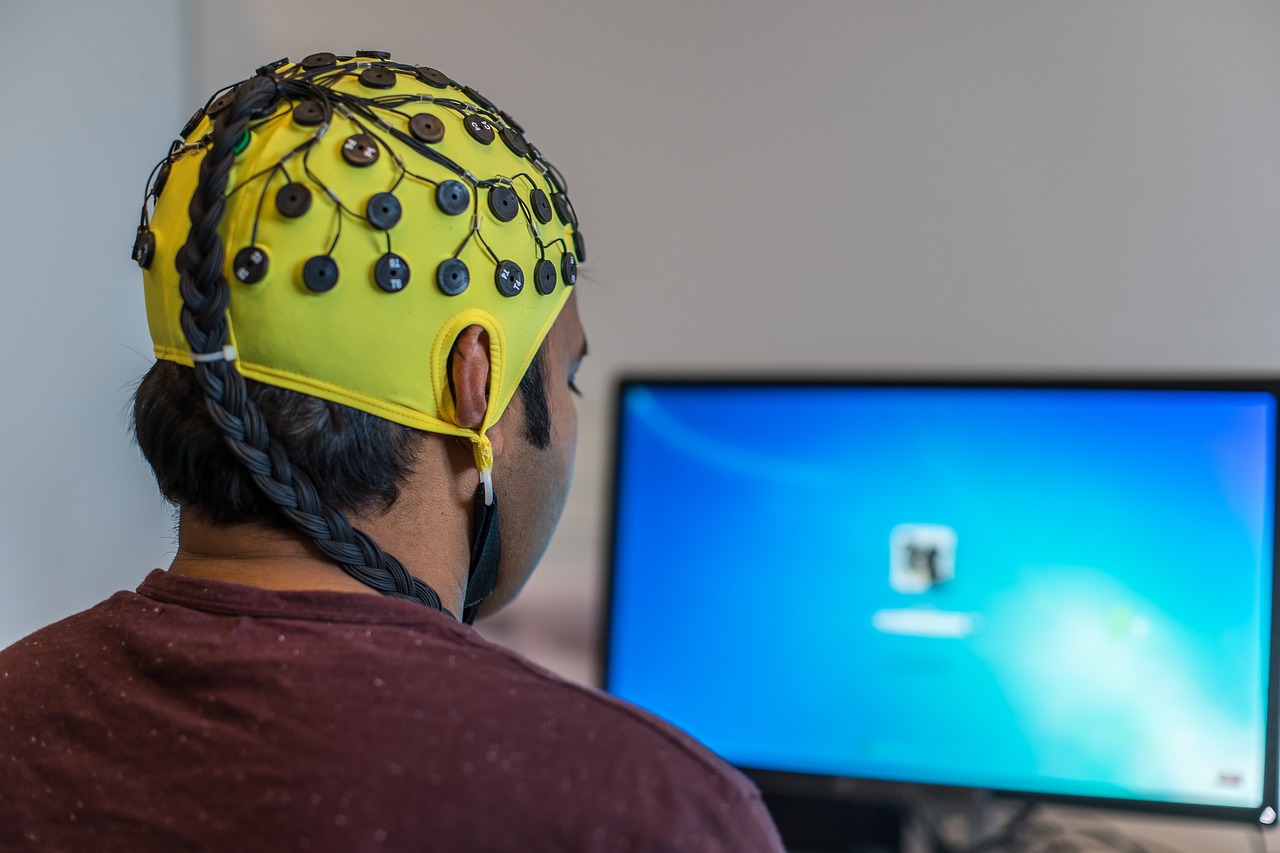
In an age where attention is currency and distractions lurk at every corner, creating environments that foster deep focus has become essential. The modern world demands spaces designed intentionally to support productivity, creativity, and mental clarity.

Our built environment profoundly influences our cognitive capacity and ability to enter flow states—those precious moments of complete immersion where time disappears and peak performance emerges. Through innovative architecture and thoughtful design principles, we can craft spaces that minimize interruptions and maximize human potential.
🧠 Understanding the Flow State and Environmental Impact
Flow, a concept pioneered by psychologist Mihaly Csikszentmihalyi, represents a mental state where individuals become fully absorbed in activities, experiencing heightened focus and intrinsic enjoyment. This optimal experience doesn’t occur randomly—it requires specific conditions, many of which are directly influenced by our physical surroundings.
Research consistently demonstrates that environmental factors significantly affect our ability to concentrate. Visual clutter, ambient noise, uncomfortable temperatures, and poor lighting all contribute to cognitive load, making it exponentially harder to achieve the mental clarity required for deep work. Conversely, well-designed spaces can reduce friction points, allowing the mind to settle into productive rhythms naturally.
The architecture of distraction-free zones goes beyond mere aesthetics. It involves understanding neurological responses to spatial configurations, sensory inputs, and even the psychological associations we form with different environments. When we design with intention, we create what architects call “purposeful spaces”—environments that communicate their function through form and support specific cognitive states through deliberate design choices.
🏗️ Architectural Principles for Distraction-Free Environments
Creating spaces that support flow begins with fundamental architectural decisions that shape how we interact with our environments. These principles form the foundation upon which all other design elements build.
Spatial Zoning and Functional Separation
One of the most powerful architectural strategies involves creating clear boundaries between different activity zones. This concept, known as spatial zoning, helps the brain associate specific areas with particular tasks, establishing behavioral patterns that facilitate faster transitions into focused states.
In residential settings, this might mean establishing a dedicated workspace physically separated from relaxation areas. In offices, it translates to differentiated zones for collaborative work, focused individual tasks, and social interaction. The key lies in making these distinctions architecturally evident through elements like level changes, material transitions, lighting variations, or semi-transparent partitions.
Physical separation doesn’t always require walls. Thoughtful furniture placement, strategic use of plants as natural dividers, and variations in ceiling heights can all signal functional transitions while maintaining openness and visual connectivity.
Controlling Visual Boundaries and Sightlines
What we see—or don’t see—profoundly impacts our ability to maintain concentration. Architectural design can strategically manage visual fields to minimize distracting stimuli while preserving connections to restorative views.
Research in environmental psychology shows that views of nature significantly enhance cognitive function and reduce mental fatigue. Windows positioned to frame greenery, water features, or natural landscapes provide psychological restoration during brief mental breaks. However, views of high-traffic areas, moving vehicles, or dynamic urban scenes can fragment attention.
The solution involves careful window placement, selective use of translucent materials, and architectural elements that frame beneficial views while screening distractions. Interior sightlines matter equally—workspaces should avoid direct views of high-activity zones like entrances, kitchen areas, or busy corridors.
💡 The Science of Lighting Design for Focus
Lighting represents one of the most critical yet frequently overlooked elements in creating distraction-free spaces. Our circadian rhythms, alertness levels, and visual comfort all depend on appropriate illumination strategies.
Layered Lighting Approaches
Sophisticated lighting design employs multiple layers working in harmony: ambient lighting for general visibility, task lighting for specific work areas, and accent lighting to create visual interest without distraction. This layered approach allows occupants to adjust their environment according to time of day, task requirements, and personal preferences.
Natural daylight should form the foundation whenever possible. Studies demonstrate that exposure to natural light improves mood, alertness, and sleep quality. However, direct sunlight creates glare and excessive contrast, so diffusion through architectural elements—light shelves, translucent panels, or strategic overhangs—becomes essential.
Dynamic and Circadian Lighting Systems
Innovative spaces increasingly incorporate tunable lighting systems that adjust color temperature and intensity throughout the day, mimicking natural circadian patterns. Cooler, brighter light during morning hours promotes alertness, while warmer, dimmer tones in evening facilitate relaxation and mental unwinding.
These systems don’t require complex technology. Simple dimmer controls, multiple switching circuits, and thoughtful fixture selection can create flexible lighting environments that support various cognitive states throughout the day.
🔇 Acoustic Design and Sound Management
Auditory distractions represent perhaps the most disruptive environmental factor for concentration. The human brain automatically processes unexpected sounds, particularly human speech, diverting cognitive resources from primary tasks.
Effective acoustic design addresses sound in three dimensions: preventing unwanted noise from entering spaces, controlling sound behavior within rooms, and sometimes introducing beneficial sounds that mask distractions.
Architectural Acoustics Fundamentals
Sound-resistant construction begins with proper material selection and assembly techniques. Mass, isolation, and absorption form the three pillars of acoustic control. Heavy, dense materials block sound transmission; decoupled assemblies prevent vibration transfer; and absorptive surfaces reduce reverberation.
For focus-oriented spaces, this translates to specifications like double-paned windows, insulated wall assemblies, solid-core doors with proper seals, and acoustic ceiling treatments. In existing spaces, strategic additions of fabric panels, acoustic foam, carpeting, and upholstered furnishings can dramatically improve sound quality.
Sound Masking and Beneficial Noise
Paradoxically, complete silence isn’t always optimal for concentration. Many people find that consistent, neutral sounds—like white noise or natural soundscapes—actually enhance focus by masking irregular, attention-grabbing noises.
Architectural features like indoor water fountains provide pleasant masking sounds while adding biophilic elements. Modern sound masking systems can distribute unobtrusive background sound that makes speech less intelligible at distance, perfect for open-plan offices requiring both collaboration and concentration zones.
🌿 Biophilic Design Integration
Biophilic design—incorporating natural elements into built environments—offers remarkable benefits for cognitive function and stress reduction. This approach goes beyond simply adding plants; it involves creating multisensory connections to nature through materials, patterns, forms, and living systems.
Natural materials like wood, stone, and clay provide tactile richness and visual warmth that synthetic materials rarely achieve. Their inherent variations create interest without distraction, offering what designers call “soft fascination”—gentle visual engagement that rests rather than taxes the mind.
Living walls, indoor gardens, and carefully placed greenery improve air quality while providing psychological benefits. Research shows that even brief views of nature can restore depleted attention resources, making strategic placement of plants near workstations particularly valuable.
Natural patterns and organic forms—fractal geometries, flowing curves, and asymmetrical compositions—resonate with our evolutionary preferences, creating environments that feel intuitively comfortable and support sustained focus without conscious effort.
🎨 Color Psychology and Material Selection
Colors and materials communicate silently but powerfully, influencing mood, energy levels, and cognitive performance. Distraction-free spaces benefit from thoughtful palettes that support rather than compete with intended activities.
Strategic Color Application
Neutral, muted palettes generally support concentration better than highly saturated or contrasting schemes. Blues and greens promote calmness and sustained attention, while warmer tones can energize without overwhelming. The key involves creating visual calm while avoiding monotony that leads to understimulation.
Color strategies should consider both immediate surfaces within the visual field and peripheral zones. Primary work areas benefit from low-saturation, mid-value colors that don’t demand attention, while accent walls or distant surfaces can incorporate more expressive choices that provide visual relief during breaks.
Textural Variety and Material Honesty
Surface textures create tactile and visual interest that engages attention in healthy ways. Mixing smooth and textured surfaces, matte and reflective finishes, and varied material types prevents sensory monotony while maintaining overall calm.
Material authenticity matters psychologically. Real wood, genuine stone, and natural fibers register differently than convincing imitations, perhaps because we unconsciously detect their authenticity through subtle sensory cues. These genuine materials often age gracefully, developing patinas that add character without demanding attention.
🪑 Ergonomics and Flexible Furniture Systems
Physical comfort forms the foundation for sustained concentration. Discomfort rapidly becomes a persistent distraction, pulling attention away from cognitive tasks to bodily sensations.
Ergonomic design addresses this through furniture and fixtures that support natural postures, accommodate movement, and adjust to individual needs. Height-adjustable desks allow alternation between sitting and standing, changing physical positions that refresh mental engagement. Seating with proper lumbar support, adjustable armrests, and appropriate seat depth prevents the physical fatigue that undermines focus.
Beyond individual pieces, flexible furniture systems enable users to reconfigure spaces according to task requirements. Mobile partitions, modular seating, and multi-functional surfaces empower occupants to create optimal conditions for different work modes—focused individual tasks, collaborative sessions, or reflective thinking.
📱 Technology Integration and Digital Distraction Management
Modern distraction-free spaces must address digital interruptions as deliberately as physical ones. Architectural design can support better technology relationships through thoughtful integration strategies.
Dedicated device stations—specific locations for phones and tablets outside primary work zones—create physical separation that reduces compulsive checking behaviors. Charging stations in peripheral areas mean devices remain accessible without being immediate visual temptations.
Cable management systems, integrated power solutions, and concealed technology storage maintain clean visual fields that support mental clarity. When screens are necessary, architectural elements can position them optimally—at appropriate heights, distances, and angles—to reduce physical strain and visual fatigue.
For those seeking additional support in managing digital distractions, focus-oriented applications can complement environmental design. Tools like Forest help users stay present by gamifying phone-free periods, creating virtual forests that grow when devices remain untouched.
🌡️ Climate Control and Air Quality
Environmental conditions we rarely notice consciously—temperature, humidity, air movement, and quality—significantly impact cognitive performance and comfort. Distraction-free spaces require careful attention to these invisible factors.
Research indicates optimal cognitive performance occurs in relatively narrow temperature ranges, typically between 70-73°F (21-23°C) for most office tasks. Individual variation means providing local control whenever possible—personal fans, adjustable vents, or zoned climate systems that accommodate different thermal preferences.
Air quality affects both health and mental clarity. Adequate ventilation, air filtration, and humidity control prevent the cognitive impairment associated with elevated CO2 levels and airborne contaminants. Natural ventilation through operable windows provides both fresh air and personal control, though acoustic considerations may limit this strategy in noisy environments.
Indoor plants contribute meaningfully to air quality while offering biophilic benefits. Strategic placement of air-purifying species like snake plants, pothos, or peace lilies combines functional and aesthetic advantages.
🔄 Adaptability and Personalization
The most successful distraction-free spaces accommodate individual differences and changing needs. Rather than prescribing single optimal conditions, innovative design provides frameworks within which users can personalize their environments.
Adjustable elements—lighting dimmers, movable partitions, reconfigurable furniture, and environmental controls—empower occupants to create conditions matching their current tasks, energy levels, and preferences. This sense of control itself reduces stress and enhances engagement.
Personal customization extends beyond functional adjustments to meaningful objects and elements that support individual identity and motivation. Allowing space for personal items, achievements, or inspirational materials helps users feel psychologically invested in their environments while maintaining overall visual order.
🎯 Implementing Flow-Supportive Design in Different Contexts
While principles remain consistent, applying distraction-free design varies across contexts—home offices, corporate workplaces, educational institutions, and creative studios each present unique opportunities and constraints.
Home Office Sanctuaries
Residential settings benefit from clear psychological boundaries between work and personal life. Dedicated rooms provide ideal separation, but even within multipurpose spaces, architectural gestures—a distinct alcove, specialized lighting, or visual screening—can establish focused zones.
Home environments offer opportunities for deeper personalization and connection to nature through windows, outdoor access, and residential-scale biophilic elements that might be impractical in commercial settings.
Progressive Workplace Design
Contemporary offices increasingly embrace activity-based working environments offering diverse settings for different task types. Deep focus zones with acoustic isolation and minimal visual distraction complement collaborative spaces designed for interaction and exchange.
The challenge lies in providing genuine choice rather than forced flexibility. Successful implementations ensure adequate focus-oriented spaces exist alongside collaborative areas, preventing competition for limited quiet zones.
Educational Environments
Learning spaces benefit tremendously from distraction-reduction strategies, though they must balance focus support with developmental needs for movement and social interaction. Flexible classrooms with defined zones for different learning modes—individual work, group collaboration, and teacher-led instruction—help students transition between cognitive states effectively.
✨ Creating Your Distraction-Free Space: Practical Starting Points
Transforming environments to support flow doesn’t require complete renovations. Strategic interventions can yield significant improvements even within existing constraints and limited budgets.
Begin by auditing current distractions—visual clutter, noise sources, lighting issues, and ergonomic problems. Prioritize addressing the most disruptive elements first, as removing major irritants often delivers more benefit than adding new features.
Simple, high-impact changes include repositioning furniture to optimize sightlines, adding sound-absorbing materials in strategic locations, upgrading task lighting, introducing plants, and decluttering visual fields. These modifications require minimal investment while substantially improving environmental quality.
For more comprehensive transformations, consider working with design professionals who understand cognitive ergonomics and evidence-based environmental psychology. The investment in thoughtful design multiplies returns through enhanced productivity, reduced stress, and improved wellbeing over time.
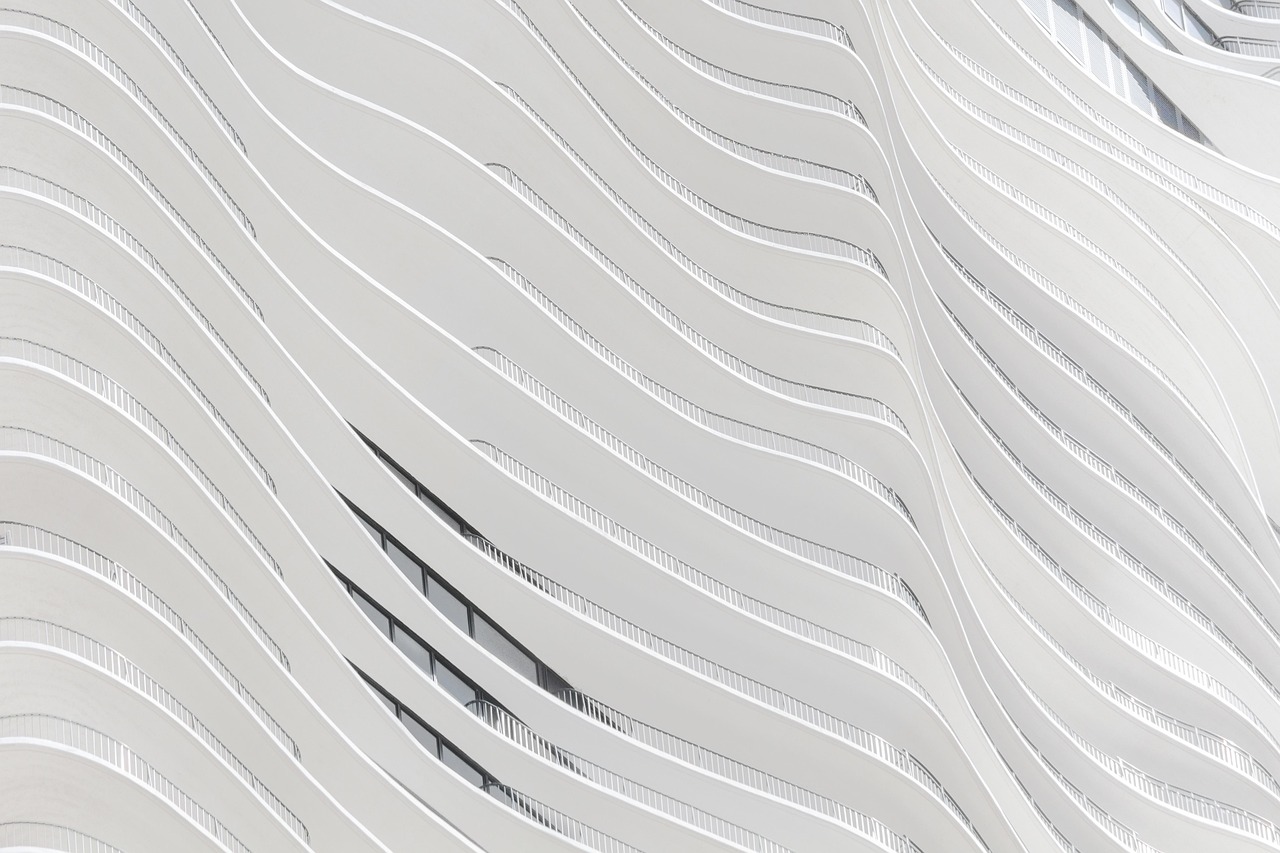
🌟 The Future of Focus-Supporting Architecture
As our understanding of neuroscience and environmental psychology deepens, architectural approaches to supporting cognitive performance continue evolving. Emerging technologies—biometric sensors, AI-driven environmental controls, and responsive materials—promise increasingly sophisticated spaces that adapt dynamically to occupant states and needs.
However, the fundamentals remain timeless: human beings need environments that respect our sensory capacities, support our physiological requirements, and resonate with our evolutionary heritage. The most innovative designs will likely blend cutting-edge technology with biophilic principles, creating spaces that feel both futuristic and deeply natural.
Ultimately, mastering the flow through architecture and design represents an investment in human potential. By crafting spaces that minimize distractions and maximize conditions for deep engagement, we create environments where creativity flourishes, productivity soars, and the best version of ourselves emerges naturally—supported by thoughtful design that works silently in service of human excellence.