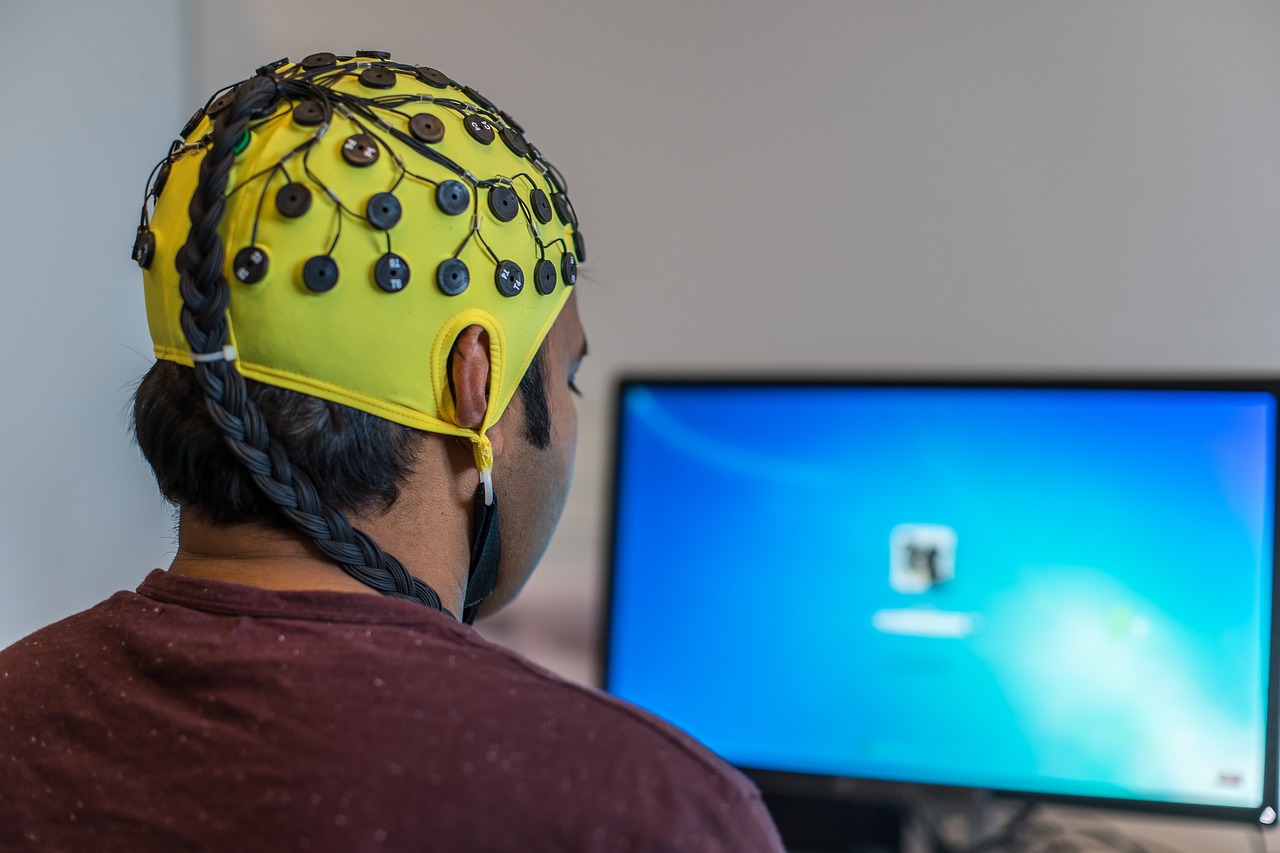
The human brain remains one of the most complex and mysterious organs, generating electrical patterns that scientists can now measure, interpret, and potentially influence through emerging technologies.

As neuroscience advances at an unprecedented pace, the ability to manipulate brainwaves has transitioned from science fiction to tangible reality. This technological frontier presents profound questions about personal autonomy, safety, and the ethical boundaries that should govern our capacity to influence the very essence of human consciousness and decision-making.
🧠 The Science Behind Brainwave Manipulation: Understanding Neural Frequencies
Brainwaves represent the electrical activity generated by billions of neurons communicating within the brain. These oscillating patterns occur at different frequencies, each associated with distinct mental states and cognitive functions. Delta waves characterize deep sleep, theta waves emerge during meditation and creativity, alpha waves indicate relaxed alertness, beta waves accompany active thinking, and gamma waves correlate with heightened perception and consciousness.
Modern technology can influence these neural oscillations through various methods. Transcranial magnetic stimulation (TMS) uses magnetic fields to stimulate specific brain regions, while transcranial direct current stimulation (tDCS) applies low-intensity electrical currents to modulate neural activity. Neurofeedback systems measure brainwave patterns in real-time, allowing individuals to consciously adjust their mental states through visual or auditory feedback.
More recently, researchers have developed sophisticated brain-computer interfaces that can both read and potentially write neural information. These technologies promise revolutionary applications in treating neurological disorders, enhancing cognitive performance, and even facilitating direct brain-to-brain communication. However, the same capabilities that offer therapeutic benefits also raise unprecedented ethical concerns about mental privacy and autonomy.
The Therapeutic Promise: Medical Applications Transforming Lives
The medical community has embraced brainwave manipulation technologies as powerful tools for treating previously intractable conditions. Patients with treatment-resistant depression have experienced remarkable improvements through TMS therapy, which targets specific neural circuits associated with mood regulation. The FDA-approved treatment has provided relief to thousands who found no help from conventional antidepressants.
Epilepsy patients benefit from responsive neurostimulation systems that detect abnormal brainwave patterns and deliver targeted electrical pulses to prevent seizures before they begin. These implanted devices continuously monitor neural activity and intervene only when necessary, representing a significant advancement over medications that affect brain chemistry globally and continuously.
Individuals with paralysis or locked-in syndrome have regained communication abilities through brain-computer interfaces that translate intended movements into cursor control or synthesized speech. These systems decode brainwave patterns associated with imagined actions, bypassing damaged neural pathways and restoring a measure of independence to those who had lost nearly all physical control.
Cognitive Enhancement and Performance Optimization 🎯
Beyond therapeutic applications, brainwave manipulation has attracted attention from those seeking cognitive enhancement. Students, professionals, and athletes experiment with neurofeedback training to improve focus, memory consolidation, and peak performance. Some research suggests that targeted brainwave entrainment can accelerate learning, enhance creativity, and optimize mental states for specific tasks.
Military organizations worldwide have invested heavily in neurotechnology research, exploring applications ranging from accelerated training to enhanced situational awareness. The potential to optimize soldiers’ cognitive performance under stress, improve decision-making speed, and facilitate rapid skill acquisition presents obvious strategic advantages, though it also raises concerns about coercion and long-term neurological effects.
The wellness industry has similarly embraced brainwave manipulation through consumer devices claiming to reduce stress, improve sleep quality, and enhance meditation practices. While some of these applications rest on solid neuroscientific foundations, others make exaggerated claims unsupported by rigorous evidence, creating regulatory challenges and consumer protection issues.
Ethical Boundaries: Where Should We Draw the Line? ⚖️
The capacity to influence brain function directly challenges fundamental assumptions about human agency and selfhood. If external technologies can modify our thoughts, emotions, and decisions, what becomes of free will? This philosophical question has immediate practical implications as neurotechnologies become more sophisticated and accessible.
Informed consent presents unique challenges in the context of brain manipulation. How can individuals meaningfully consent to procedures that might alter their decision-making capacities? The problem becomes circular: if someone’s judgment is potentially compromised by a neurological condition, can they truly consent to treatments that might change their personality or preferences? And if treatment succeeds in altering their mental state, should their post-treatment self have retroactive veto power over decisions made by their pre-treatment self?
The concept of cognitive liberty—the right to mental self-determination—has emerged as a proposed fundamental human right in response to these technologies. Advocates argue that individuals should have absolute sovereignty over their own neural processes, free from coercive manipulation whether by governments, corporations, or other parties. This principle would protect not only against unwanted intervention but also guarantee access to desired cognitive enhancement, creating complex policy dilemmas.
Privacy and Neural Data Security 🔒
Brain-computer interfaces generate unprecedented quantities of neural data, creating novel privacy concerns. Unlike other biometric information, brainwave patterns may reveal not just identity but also thoughts, intentions, emotional states, and personal preferences. This information could have immense value to advertisers, employers, insurers, law enforcement, and intelligence agencies.
Current data protection frameworks prove inadequate for neural information. Brain data might reveal conditions or predispositions that individuals themselves don’t consciously know, raising questions about whether privacy rights extend to information we aren’t aware we possess. Should companies be allowed to collect and analyze neural data? Can employers require brainwave monitoring? Should law enforcement have access to neural information, and under what circumstances?
The potential for neural data breaches carries especially serious implications. Compromised brain-computer interfaces could potentially not only leak sensitive information but also become vectors for direct neural attacks. The possibility of malicious actors remotely manipulating someone’s brain through hacked neurotechnology represents a cybersecurity nightmare that current protective frameworks are unprepared to address.
Safety Concerns and Unintended Consequences
Despite promising applications, brainwave manipulation technologies carry significant risks that aren’t fully understood. The brain’s complexity means that interventions targeting specific functions may produce unexpected side effects. Neural circuits overlap and interact in ways that scientists are still mapping, and manipulation intended to address one issue might inadvertently affect other cognitive or emotional processes.
Long-term safety data remains limited for many neurotechnologies. Treatments that appear safe and effective in initial studies might produce delayed complications that only emerge after years of use. The brain’s plasticity means it continuously adapts to stimulation, potentially developing tolerance, dependence, or compensatory changes that alter the intervention’s effects over time.
Particularly concerning is the potential for brainwave manipulation technologies to be misused or weaponized. History demonstrates that medical advances frequently find military applications, and technologies capable of influencing mental states present obvious possibilities for coercion, interrogation, or crowd control. The development of directed energy weapons targeting neural function has already attracted research funding from defense organizations worldwide.
Equity and Access Disparities 💰
As with many emerging technologies, brainwave manipulation risks exacerbating existing inequalities. Therapeutic neurotechnologies often carry prohibitive costs, creating disparities in who can access potentially life-changing treatments. If cognitive enhancement through brain stimulation proves effective, it could create a cognitive divide between enhanced elites and unenhanced populations, raising troubling questions about fairness and social justice.
The pressure to adopt enhancement technologies may become coercive even without explicit mandates. If brain-computer interfaces improve job performance, employers might effectively require them as conditions of employment. Students might feel compelled to use cognitive enhancement to remain competitive. These soft coercions could force individuals into neural modifications they wouldn’t freely choose, undermining autonomy in the name of enhancement.
Regulatory Frameworks: Struggling to Keep Pace 📋
Existing regulatory systems prove inadequate for governing brainwave manipulation technologies. Medical device regulations were designed for instruments that affect the body rather than potentially altering the mind. Consumer protection laws assume products don’t fundamentally change purchasers’ decision-making capacities. Privacy regulations didn’t anticipate data revealing individuals’ thoughts and mental states.
International coordination presents additional challenges. Different countries approach neurotechnology regulation with varying priorities and frameworks. Without harmonized standards, regulatory arbitrage becomes possible, with companies developing and testing technologies in jurisdictions with minimal oversight. The global nature of both neuroscience research and technology development demands international cooperation that has proven difficult to achieve.
Several organizations and governments have begun developing neuroethics frameworks and governance proposals. The OECD has issued recommendations on responsible innovation in neurotechnology. Chile became the first nation to enshrine neural rights in its constitution, recognizing mental privacy and protecting against discrimination based on neural data. These initiatives represent important first steps, but comprehensive governance remains elusive.
Autonomy in the Age of Neural Technology 🤔
The impact of brainwave manipulation on human autonomy extends beyond individual consent to broader questions about authentic selfhood. If technologies can modulate emotions, enhance capabilities, or alter preferences, which version of ourselves is truly “us”? Philosophers debate whether enhancement represents self-improvement or self-replacement, whether modified individuals remain the same persons or become someone new.
These questions gain urgency as neurotechnologies become more sophisticated. Current interventions produce relatively crude effects—mood improvement, seizure prevention, cursor control—but future systems may achieve fine-grained manipulation of specific thoughts, memories, or personality traits. The possibility of comprehensive neural modification challenges our understanding of personal identity and continuity.
Some argue that concerns about authenticity are misplaced, noting that humans have always modified themselves through education, meditation, pharmaceuticals, and other means. From this perspective, direct neural manipulation differs only in mechanism, not in principle, from traditional self-improvement methods. Others contend that the directness and power of brainwave manipulation creates qualitatively different issues, potentially undermining the reflective endorsement that characterizes autonomous choice.
Societal Implications and Cultural Shifts 🌍
Widespread adoption of brainwave manipulation technologies would transform society in ways we’re only beginning to imagine. Social norms around mental states might shift if emotional regulation becomes a matter of technological adjustment rather than psychological work. Concepts of achievement and merit could change if cognitive enhancement becomes commonplace. Legal frameworks built on assumptions about human decision-making capacities might require fundamental revision.
Cultural attitudes toward mental modification vary significantly across societies. Some embrace technological enhancement as natural human progress, while others view it as dangerous hubris or violation of human nature. These divergent perspectives will shape how different societies regulate and adopt neurotechnologies, potentially creating significant disparities in capabilities and values across populations.
The technology also raises spiritual and existential questions for many individuals. Religious traditions often hold specific views about the soul, consciousness, and the proper boundaries of human intervention in natural processes. How faith communities respond to brainwave manipulation technologies will influence millions of adherents and contribute to broader social discourse about the appropriate use of these powerful tools.
Charting a Responsible Path Forward 🛤️
Navigating the complex landscape of brainwave manipulation requires balancing innovation’s benefits against risks to safety and autonomy. This balance cannot be struck through technology development alone but demands ongoing ethical reflection, robust regulation, and meaningful public engagement with the issues these technologies raise.
Transparency should be a foundational principle for neurotechnology development. Researchers and companies must openly communicate about their work’s capabilities, limitations, and risks. Neural data collection should be disclosed clearly, with individuals maintaining meaningful control over how their brain information is used. Algorithmic decision-making based on neural data should be explainable and contestable.
Inclusive governance processes must ensure that neurotechnology regulation reflects diverse perspectives and values. Those most likely to be affected by these technologies—including patients, disability advocates, ethicists, and members of marginalized communities—should participate meaningfully in policy development. International cooperation will be essential for addressing challenges that transcend national boundaries.
Continued investment in neuroscience research remains crucial not only for developing beneficial applications but also for understanding risks and long-term effects. We need better knowledge about how brain manipulation impacts neural development, personality stability, and cognitive function over time. This research should be conducted with rigorous ethical oversight and public accountability.

Embracing Potential While Protecting Humanity ✨
Brainwave manipulation technologies offer extraordinary opportunities to alleviate suffering, restore lost functions, and expand human capabilities. The prospect of effective treatments for devastating neurological conditions, enhanced communication for those unable to speak, and optimized cognitive performance for challenging tasks represents genuinely transformative potential worth pursuing.
Yet this same power to influence the mind carries profound risks to individual autonomy, privacy, safety, and social equity. The manipulation of consciousness touches the core of what makes us human, demanding careful consideration of ethical boundaries and robust safeguards against misuse.
The path forward requires wisdom to distinguish beneficial applications from dangerous overreach, courage to establish necessary protections even when they constrain innovation, and humility to acknowledge the limits of our understanding about the brain’s complexity and the long-term consequences of manipulating it.
As we unlock the mind’s mysteries, we must ensure that this unlocking serves human flourishing rather than diminishing the autonomy and dignity that define our humanity. The choices we make today about developing, regulating, and deploying brainwave manipulation technologies will shape not only what humans can do but who we become as a species. These decisions deserve our most careful thought, broadest participation, and deepest ethical reflection.