
Your brain is an incredibly powerful organ, constantly processing information, making decisions, and regulating your body’s functions. What if you could tap into its full potential and optimize its performance in real-time?

Modern neuroscience has made remarkable strides in understanding how our brains work, and with that knowledge comes revolutionary techniques to enhance cognitive function, emotional regulation, and overall mental performance. Neurofeedback and biofeedback represent cutting-edge approaches that allow you to literally train your brain and body to function at their peak levels, offering unprecedented control over your mental and physical states.
🧠 Understanding the Foundation: What Are Neurofeedback and Biofeedback?
Before diving into the transformative potential of these technologies, it’s essential to understand what they actually are and how they differ. Both techniques fall under the umbrella of psychophysiological interventions, but they target different aspects of your body’s functioning.
Biofeedback is a broader term that encompasses various techniques allowing you to monitor and control physiological processes that normally occur automatically. This includes heart rate, breathing patterns, muscle tension, skin temperature, and sweat gland activity. Through specialized sensors and visual or auditory feedback, you learn to consciously influence these processes.
Neurofeedback, also known as EEG biofeedback, is a specific type of biofeedback that focuses exclusively on brain activity. By monitoring your brainwaves through electroencephalography (EEG), neurofeedback provides real-time information about your brain’s electrical patterns, allowing you to train specific neural pathways and optimize cognitive function.
The Science Behind Brain Wave Patterns
Your brain operates through electrical impulses that create distinct wave patterns, each associated with different mental states. Understanding these patterns is crucial to comprehending how neurofeedback works:
- Delta waves (0.5-4 Hz): Associated with deep sleep and unconscious bodily functions
- Theta waves (4-8 Hz): Connected to meditation, creativity, and light sleep
- Alpha waves (8-13 Hz): Present during relaxed wakefulness and calm focus
- Beta waves (13-30 Hz): Dominant during active thinking, problem-solving, and concentration
- Gamma waves (30-100 Hz): Associated with peak cognitive functioning and information processing
The Revolutionary Impact on Mental Performance
The ability to monitor and modify your brain’s activity patterns opens up extraordinary possibilities for enhancing mental performance. Unlike traditional approaches that rely solely on behavioral changes or medication, neurofeedback and biofeedback provide direct pathways to neuroplasticity—your brain’s ability to reorganize and form new neural connections.
Research has demonstrated that consistent neurofeedback training can lead to lasting changes in brain structure and function. When you repeatedly practice producing desired brain wave patterns, those neural pathways become stronger and more accessible, similar to how physical exercise strengthens muscles.
Cognitive Enhancement and Focus Optimization
One of the most sought-after applications of neurofeedback is improving focus and concentration. In our distraction-filled modern world, the ability to maintain sustained attention has become a valuable commodity. Neurofeedback training helps increase beta wave activity in the prefrontal cortex, the brain region responsible for executive functions like attention control and decision-making.
Athletes, executives, and students have reported significant improvements in their ability to enter and maintain flow states—those periods of optimal performance where time seems to disappear and productivity soars. By learning to recognize and reproduce the brain wave patterns associated with peak performance, you can access these states more reliably and frequently.
🎯 Addressing Mental Health and Emotional Regulation
Beyond performance enhancement, neurofeedback and biofeedback have shown remarkable promise in addressing various mental health challenges. These non-invasive, drug-free approaches offer hope to individuals struggling with conditions that traditional treatments haven’t fully resolved.
Anxiety disorders respond particularly well to biofeedback interventions. By learning to control physiological markers of stress—such as heart rate variability, breathing patterns, and muscle tension—individuals can interrupt the anxiety cycle before it escalates. The real-time feedback creates awareness of early warning signs and provides tools for immediate intervention.
Depression and Mood Regulation
Neurofeedback has demonstrated effectiveness in treating depression by targeting the asymmetrical brain activity patterns often observed in depressed individuals. Research indicates that people with depression typically show reduced activity in the left prefrontal cortex. Neurofeedback training can help normalize these patterns, potentially leading to mood improvements without medication side effects.
The beauty of this approach lies in its personalization. Each individual’s brain patterns are unique, and neurofeedback protocols can be tailored to address specific imbalances, creating customized treatment plans that evolve based on progress.
Applications for ADHD and Learning Challenges
Attention-Deficit/Hyperactivity Disorder (ADHD) represents one of the most extensively researched applications of neurofeedback. Individuals with ADHD often exhibit excess theta wave activity and insufficient beta wave activity in regions associated with attention and impulse control.
Neurofeedback training for ADHD typically focuses on increasing beta/theta ratios, helping the brain develop more organized and efficient patterns. Multiple studies have shown that neurofeedback can produce improvements comparable to stimulant medications, with effects that persist long after training concludes.
Parents seeking alternatives to medication for their children have found neurofeedback particularly appealing, as it teaches self-regulation skills that extend beyond symptom management into general life competencies.
⚡ The Technology: How Sessions Actually Work
Understanding what happens during a typical neurofeedback or biofeedback session demystifies the process and highlights its accessibility. While the technology may sound complex, the experience is remarkably straightforward and even relaxing.
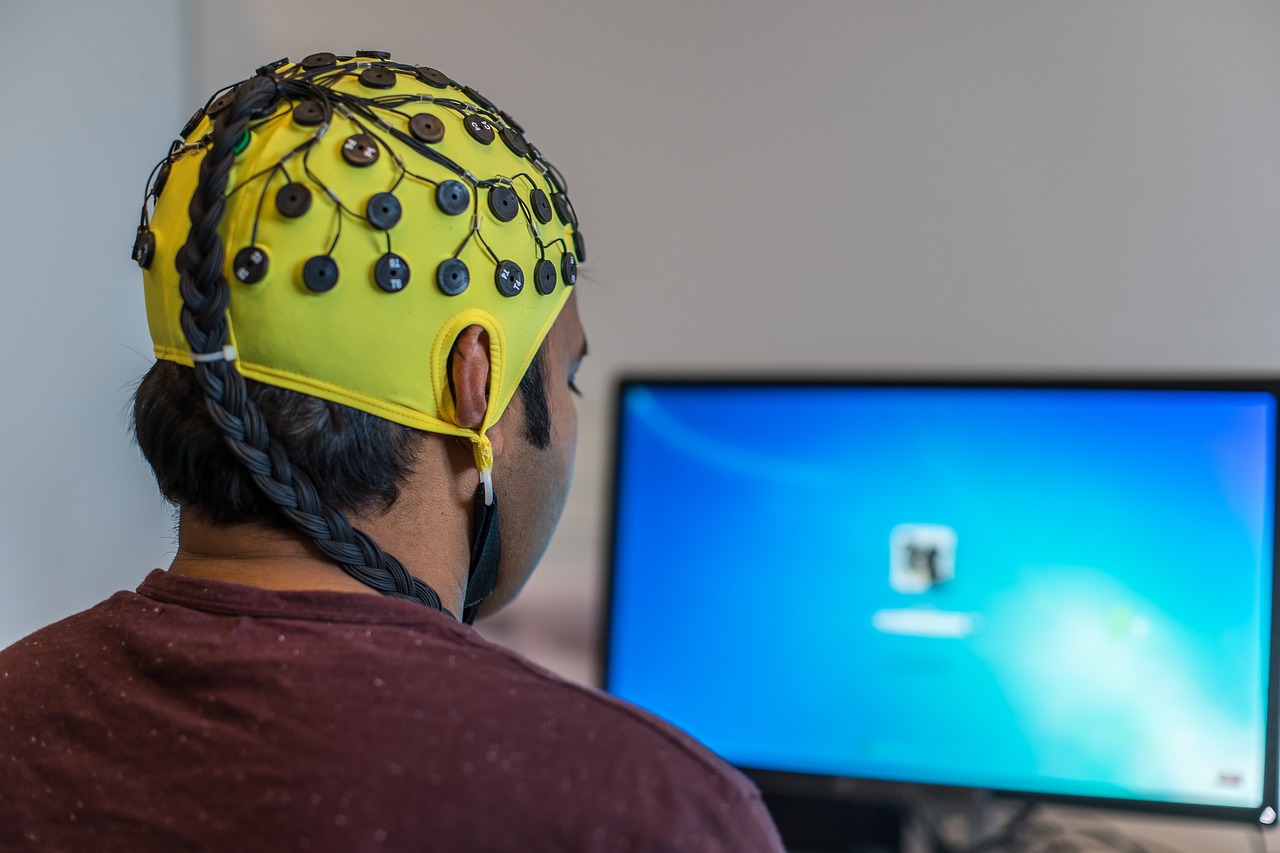
During a neurofeedback session, small sensors are placed on your scalp using a conductive paste or gel. These sensors detect electrical activity from your brain and transmit this information to specialized software. You then engage with visual or auditory feedback—often in the form of games, videos, or music—that responds to your brain activity in real-time.
The Learning Process
The training works through operant conditioning, a fundamental learning principle. When your brain produces desired patterns, you receive positive feedback—the game progresses, the music plays smoothly, or the video becomes clearer. When undesired patterns appear, the feedback changes, signaling your brain to adjust.
Remarkably, you don’t need to consciously understand how to change your brain waves. Through repetition and the feedback loop, your brain learns automatically, similar to how you learned to ride a bicycle without studying physics. This subconscious learning is part of what makes neurofeedback so powerful and accessible to people of all ages.
🏋️ Training Protocols and Progressive Development
Like any skill development program, neurofeedback and biofeedback require consistent practice and progressive challenges. Initial sessions focus on establishing baselines and familiarizing you with the feedback mechanisms. As your brain becomes more adept at producing desired patterns, protocols increase in complexity and specificity.
A typical neurofeedback program might involve 20-40 sessions, with each session lasting 30-60 minutes. Frequency varies based on individual goals and responses, though 2-3 sessions per week is common. Some people notice improvements within the first few sessions, while others require longer periods before experiencing significant changes.
Home-Based Training Options
Technological advances have made neurofeedback and biofeedback increasingly accessible outside clinical settings. Consumer-grade devices and smartphone applications now offer simplified versions of professional-grade systems, allowing for practice between formal sessions or as standalone interventions for less severe concerns.
Heart rate variability (HRV) training, a popular form of biofeedback, can be practiced using just a smartphone and chest strap heart monitor. Apps guide you through breathing exercises while displaying real-time feedback on your autonomic nervous system’s balance, helping you develop greater stress resilience.
💡 Combining Techniques for Synergistic Benefits
The most powerful results often emerge when neurofeedback and biofeedback are combined with complementary practices. Meditation, mindfulness, proper nutrition, quality sleep, and physical exercise all support brain optimization and can accelerate progress in feedback training.
Meditation and neurofeedback share significant overlap in their mechanisms and benefits. Both practices involve developing greater awareness of internal states and cultivating specific mental conditions. Many practitioners find that meditation experience makes neurofeedback training more intuitive, while neurofeedback provides objective measures of meditation depth that can deepen practice.
The Role of Lifestyle Factors
Your brain doesn’t exist in isolation—it’s profoundly influenced by factors like sleep quality, nutritional status, hydration, physical activity, and stress levels. Optimizing these foundational elements creates the ideal environment for neurofeedback and biofeedback training to produce maximal results.
Sleep deprivation, for instance, dramatically alters brain wave patterns and can interfere with training progress. Similarly, chronic stress keeps the nervous system in overdrive, making relaxation-focused biofeedback more challenging. Addressing these variables holistically creates synergistic improvements that exceed what any single intervention could achieve.
🔬 Evidence Base and Scientific Validation
While neurofeedback and biofeedback have gained popularity in wellness circles, it’s important to examine the scientific evidence supporting their use. The research landscape is complex, with varying quality studies and ongoing debates about optimal protocols and applications.
For certain conditions, the evidence is quite robust. Biofeedback for chronic pain, migraine headaches, and stress-related disorders has substantial research support, with numerous randomized controlled trials demonstrating effectiveness. The American Academy of Pediatrics has rated biofeedback and neurofeedback as “Level 1—Best Support” interventions for ADHD.
However, research challenges exist. Neurofeedback studies face methodological difficulties, including the complexity of creating truly blind conditions and the highly individualized nature of protocols. Additionally, the field is still working to standardize assessment procedures and training approaches across practitioners.
Finding Qualified Practitioners and Getting Started
If you’re interested in exploring neurofeedback or biofeedback, finding a qualified practitioner is crucial for safety and effectiveness. Look for professionals with certifications from recognized organizations such as the Biofeedback Certification International Alliance (BCIA) or the International Society for Neurofeedback and Research (ISNR).
A thorough initial assessment should include detailed history-taking, discussion of your goals, and often a quantitative EEG (qEEG) brain map that identifies specific patterns to target. Reputable practitioners will explain their approach clearly, set realistic expectations, and track progress systematically throughout training.
Investment and Accessibility Considerations
Professional neurofeedback training represents a significant investment, with costs varying widely based on location and provider. Individual sessions typically range from $100-$300, and recommended protocols often involve 20-40 sessions. Some insurance plans may cover biofeedback for specific conditions, though coverage for neurofeedback remains limited.
For those unable to access professional services, consumer devices and applications offer entry points, though with reduced sophistication and personalization. These tools work best for general wellness applications rather than addressing specific clinical conditions.
🌟 The Future Landscape of Brain Optimization
The convergence of neuroscience, technology, and personal development is accelerating rapidly. Artificial intelligence is beginning to analyze brain patterns with unprecedented sophistication, potentially enabling more precise and adaptive training protocols. Wearable neurofeedback devices are becoming smaller, more affordable, and more capable.
Virtual reality integration represents an exciting frontier, creating immersive environments that respond to brain states in real-time. Imagine practicing public speaking in a virtual auditorium where the audience’s reactions are controlled by your anxiety levels, providing immediate feedback and gradual exposure therapy.
As our understanding of brain networks deepens, neurofeedback protocols are becoming more targeted and efficient. Rather than simply training broad frequency bands, emerging approaches target specific neural networks associated with particular functions, potentially achieving results more quickly and reliably.
Empowering Your Journey Toward Mental Mastery
The power to optimize your brain function is no longer confined to science fiction or elite performance centers. Neurofeedback and biofeedback democratize access to techniques that can genuinely transform cognitive performance, emotional regulation, and overall quality of life.
Whether you’re seeking relief from specific challenges like anxiety or ADHD, aiming to enhance performance in demanding roles, or simply curious about unlocking more of your brain’s potential, these technologies offer evidence-based pathways forward. The journey requires commitment, patience, and often professional guidance, but the potential rewards—a more focused, balanced, and capable mind—are profound.
Your brain possesses extraordinary plasticity and adaptive capacity throughout your entire lifespan. By harnessing the power of real-time feedback, you can actively participate in shaping your neural architecture, cultivating the mental states that serve your highest goals and deepest well-being. The technology exists, the science supports it, and the choice to explore your mind’s full potential rests entirely in your hands.