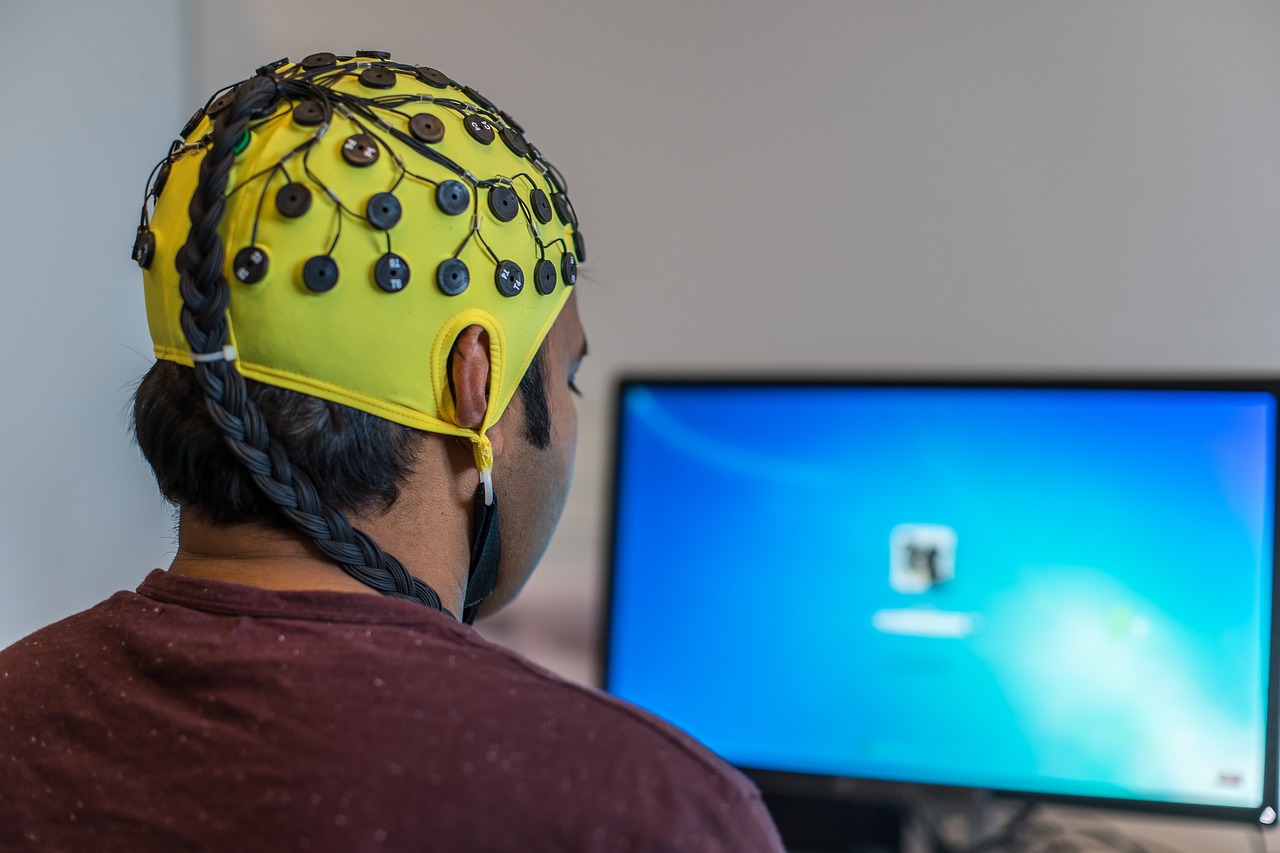
In today’s fast-paced world, achieving peak performance requires more than just hard work and dedication. The intersection of biometric data, cognitive measurements, and strategic feedback mechanisms creates unprecedented opportunities for personal and professional excellence.

Modern science has given us tools to measure what was once immeasurable, transforming how we understand human potential. By systematically tracking physiological signals, mental states, and performance patterns, individuals can unlock levels of achievement previously considered unreachable. This data-driven approach to human optimization represents a fundamental shift in how we develop talent and maximize capabilities.
🧬 The Science Behind Biometric Monitoring for Performance Enhancement
Biometric monitoring has evolved from clinical settings into everyday performance optimization tools. These measurements provide objective insights into how our bodies respond to stress, recovery, and cognitive demands. Heart rate variability, sleep architecture, cortisol levels, and oxygen saturation offer windows into our physiological state that were previously accessible only through laboratory testing.
When athletes track their resting heart rate each morning, they’re gathering intelligence about their recovery status. A elevated baseline can signal overtraining, inadequate rest, or impending illness. This simple measurement, when tracked consistently, becomes a powerful predictor of performance readiness. Similarly, professionals can monitor their stress responses through continuous heart rate variability tracking, identifying patterns that correlate with peak cognitive function.
The democratization of biometric technology has made sophisticated measurements accessible to everyone. Wearable devices now track metrics that once required expensive equipment and trained technicians. This accessibility creates opportunities for continuous self-monitoring and data-driven decision making about training, rest, nutrition, and work schedules.
🧠 Cognitive Metrics: Measuring Mental Performance with Precision
While biometrics reveal physical states, cognitive metrics illuminate mental performance. Reaction time, attention span, working memory capacity, and decision-making speed all fluctuate throughout the day based on sleep quality, stress levels, and cognitive load. Measuring these variables provides actionable insights for optimizing mental performance.
Executive function assessments can reveal when your brain operates at peak efficiency. Some individuals achieve maximum cognitive clarity early morning, while others hit their stride in late evening. Understanding your personal cognitive rhythm allows strategic scheduling of demanding tasks during natural performance peaks and reserving low-stakes activities for cognitive valleys.
Key Cognitive Metrics Worth Tracking
- Reaction Time: Indicates processing speed and neural efficiency
- Focus Duration: Measures sustained attention before degradation
- Memory Recall: Assesses information retention and retrieval
- Decision Accuracy: Evaluates judgment quality under varying conditions
- Task Switching Cost: Quantifies cognitive flexibility and multitasking efficiency
- Mental Fatigue Markers: Identifies declining performance patterns
Cognitive training applications now offer standardized assessments that can be repeated regularly to establish baselines and track improvements. These tools transform abstract concepts like “mental sharpness” into quantifiable data points that respond to interventions like sleep optimization, nutritional changes, or stress management techniques.
⚡ Building Effective Feedback Loops for Continuous Improvement
Data without action remains merely interesting information. The transformative power emerges when measurements feed into structured feedback loops that drive behavioral change. Effective feedback systems create tight connections between actions, outcomes, and adjustments, accelerating the learning curve and performance gains.
A well-designed feedback loop contains four essential components: measurement, analysis, intervention, and reassessment. Athletes exemplify this process when they review performance data after training sessions, identify weaknesses, adjust their approach, and measure the results. This cyclical process, when executed consistently, generates compound improvements over time.
Designing Personal Feedback Systems
The frequency and quality of feedback determine the speed of improvement. Immediate feedback creates stronger learning signals than delayed information. When a runner receives real-time pace data, they can adjust their effort instantly, developing better pacing intuition. Similarly, immediate cognitive performance feedback during mental training tasks strengthens neural pathways more effectively than retrospective analysis.
However, not all metrics benefit from constant monitoring. Some measurements work best when sampled periodically, providing trend data without creating unhealthy obsession. Sleep quality might be reviewed weekly, while hydration status could benefit from hourly checks during intense training periods. Matching measurement frequency to the characteristic you’re optimizing prevents data overload while maintaining useful insights.
📊 Integration Strategies: Combining Multiple Data Streams
The real magic happens when biometric data, cognitive metrics, and environmental factors converge into holistic performance models. A single metric rarely tells the complete story, but patterns across multiple measurements reveal causal relationships and optimization opportunities.
| Metric Category | Key Indicators | Optimization Impact |
|---|---|---|
| Sleep Quality | Duration, deep sleep %, wake episodes | Foundation for cognitive and physical recovery |
| Stress Response | HRV, cortisol patterns, subjective ratings | Indicates adaptation capacity and burnout risk |
| Cognitive Function | Reaction time, accuracy, focus duration | Guides task scheduling and mental training |
| Physical Readiness | Resting HR, muscle soreness, energy levels | Informs training intensity and recovery needs |
Consider how poor sleep quality cascades through your system. Sleep debt elevates cortisol, which impairs glucose metabolism, reducing energy availability for both cognitive and physical tasks. Heart rate variability decreases, signaling reduced adaptive capacity. Reaction times slow, and decision quality deteriorates. By tracking these interconnected metrics, you can identify the root cause rather than treating symptoms.
🎯 Practical Applications Across Different Domains
Performance optimization through measurement applies across countless contexts. Athletes use it to prevent overtraining and time peak performance for competition. Business executives leverage cognitive metrics to structure their workdays around mental performance curves. Students apply these principles to optimize study schedules and exam preparation strategies.
Athletic Performance Optimization
Elite athletes have long used sophisticated performance monitoring, but the principles scale to recreational fitness enthusiasts. Tracking training load against recovery metrics prevents the common mistake of chronic overtraining. Monitoring heart rate variability helps determine when to push hard and when to incorporate active recovery. Cognitive assessments identify mental fatigue that might increase injury risk even when physical markers suggest readiness.
Professional Productivity Enhancement
Knowledge workers face unique challenges in measuring and optimizing performance. Unlike athletes with clear metrics like speed or strength, cognitive output quality can be subjective. However, tracking focus duration, task completion rates, and cognitive assessment scores provides objective feedback on mental performance trends.
Professionals who measure their cognitive patterns often discover surprising insights. Many find their actual peak productivity windows don’t match their assumptions. Others identify that certain meeting types drain cognitive resources disproportionately, allowing strategic scheduling to protect high-value work time.
🔬 Advanced Techniques: Controlled Experiments on Yourself
Once basic measurement systems are established, you can conduct personal experiments to optimize specific variables. This N-of-1 research approach applies scientific methodology to individual optimization, testing interventions and measuring results with the same rigor researchers use in formal studies.
Want to know if cold exposure improves your cognitive function? Establish a baseline by measuring reaction time and working memory performance for two weeks. Then introduce cold showers or ice baths while continuing measurements. Statistical analysis reveals whether the intervention produces meaningful effects for you specifically, regardless of what population studies suggest.
Common Variables Worth Testing
- Sleep timing variations: Compare performance across different sleep schedules
- Nutritional interventions: Test how meal timing or composition affects energy and cognition
- Exercise timing: Determine optimal workout windows for your schedule and goals
- Cognitive enhancement techniques: Evaluate meditation, breathwork, or nootropics objectively
- Environmental modifications: Assess lighting, temperature, or noise effects on performance
The key to successful self-experimentation lies in changing one variable at a time while maintaining consistent measurement. This isolation allows clear attribution of effects to specific causes, building a personalized optimization playbook based on your unique physiology and circumstances.
⚠️ Avoiding Common Pitfalls in Performance Measurement
While measurement and optimization offer tremendous benefits, certain traps can undermine results or create unhealthy relationships with data. Awareness of these pitfalls helps maintain balanced, sustainable approaches to performance enhancement.
Metric obsession represents a primary danger. When numbers become more important than actual well-being or the experiences they’re meant to optimize, the system has inverted. A runner so focused on pace data that they lose joy in running has defeated the purpose. Measurements should inform and guide, not dominate decision-making or steal present-moment awareness.
The Measurement Paradox
Goodhart’s Law states that when a measure becomes a target, it ceases to be a good measure. This manifests when people game their metrics rather than genuinely improving underlying capabilities. Manipulating sleep tracker data by lying still while awake, or engineering artificial cognitive test improvements through memorized patterns, generates meaningless numbers without real performance gains.
Additionally, over-measurement can induce stress that negatively impacts the very metrics being tracked. Anxiety about heart rate variability scores can activate stress responses that lower HRV, creating a self-fulfilling prophecy. Finding the right measurement frequency and emotional detachment from daily fluctuations prevents this counterproductive pattern.
🚀 Emerging Technologies and Future Directions
The field of performance measurement continues evolving rapidly. Non-invasive continuous glucose monitors, originally designed for diabetics, now reveal how different foods affect energy stability in healthy individuals. Brain-computer interfaces measure neural activity patterns associated with flow states. Advanced algorithms detect subtle patterns in multivariate data that humans might miss, providing increasingly sophisticated optimization recommendations.
Artificial intelligence systems are beginning to analyze complex interactions between sleep quality, nutrition, exercise, stress, and cognitive performance, offering personalized recommendations based on individual response patterns. These systems identify non-obvious relationships, like how specific food combinations three hours before sleep affect next-day cognitive function for particular individuals.
Predictive analytics represent another frontier. Rather than simply reporting current states, advanced systems forecast future performance based on trend analysis. An athlete might receive warnings about elevated injury risk days before obvious symptoms appear, allowing preventive rest. A professional might get alerts that their cognitive performance trajectory suggests burnout risk, triggering proactive intervention.
🌟 Creating Your Personal Optimization System
Building an effective personal measurement and optimization system requires thoughtful design matched to your goals, resources, and personality. Start with clear objectives. What specifically do you want to improve? Physical endurance? Cognitive clarity? Creative output? Stress resilience? Defined targets focus measurement efforts on relevant metrics.
Begin with foundational measurements that provide broad insights before adding specialized tracking. Sleep quality, resting heart rate, and subjective energy ratings form a solid baseline requiring minimal equipment or time investment. Once these habits solidify, layer in additional metrics aligned with specific optimization goals.
Building Sustainable Measurement Habits
Consistency matters more than comprehensiveness. Five reliably tracked metrics generate more useful insights than twenty sporadically measured variables. Design your system to fit existing routines rather than requiring major lifestyle restructuring. Morning measurements can bundle with coffee preparation. Evening assessments might pair with bedtime routines.
Review cycles should match your improvement timeline. Daily metrics inform immediate adjustments, while weekly reviews reveal broader patterns, and monthly analyses show long-term trends. This multi-scale perspective prevents reactive overadjustment to normal fluctuations while catching genuine shifts requiring intervention.
💡 The Psychology of Performance Data
Understanding how performance data affects motivation and behavior is crucial for sustainable improvement. Some individuals find detailed metrics highly motivating, with quantified progress fueling continued effort. Others experience measurement as stressful obligation that diminishes intrinsic motivation. Knowing your psychological response to tracking determines optimal system design.
Gamification elements like streak tracking, personal records, or achievement badges leverage reward psychology to maintain engagement with measurement routines. However, these should enhance rather than replace genuine interest in improvement. External rewards sometimes undermine intrinsic motivation, so balance is essential.
Social accountability through shared data can amplify commitment for many people. Training partners who exchange performance metrics often experience enhanced consistency and effort. However, comparison with others can generate unhealthy competition or discouragement if not framed appropriately. Focus on personal progress rather than relative standings maintains healthy motivation.
🔄 Iterative Refinement: Evolving Your System Over Time
Your measurement and optimization system should evolve as you progress. Metrics that provided valuable insights initially may become less informative once optimized. Conversely, new measurements become relevant as you tackle different performance aspects or reach higher capability levels.
Periodically audit your tracking system. Which metrics actually influence decisions? Which sit unreviewed in databases? Streamline by eliminating measurements that don’t drive action, freeing time and attention for more valuable data collection. This prevents metric accumulation from becoming burdensome.
As you develop expertise interpreting your personal data, subtle patterns become meaningful. A slight trend that would have seemed like random noise initially might trigger preventive action once you’ve observed its relationship to upcoming performance changes. This growing sophistication allows lighter-touch measurement generating deeper insights.
🎓 The Ultimate Goal: Intuitive Self-Awareness
Paradoxically, the ultimate outcome of systematic measurement and feedback loops may be the ability to optimize performance with minimal external tracking. As you learn to recognize internal signals that correlate with measured metrics, you develop intuitive self-awareness that guides decisions without constant device consultation.
Athletes describe this as “listening to your body.” Through extended measurement, they’ve calibrated internal perception against objective data, learning to accurately assess recovery status, effort level, and readiness without instruments. Similarly, cognitive performance awareness develops through measuring and correlating subjective states with objective assessments.
This progression from measurement-dependent to intuitively-guided optimization represents mastery. The training wheels of external metrics have developed internal wisdom. However, periodic measurement remains valuable for calibration checks, preventing drift between perception and reality that naturally occurs over time.
Achieving peak performance through measurement and optimization is not about becoming enslaved to numbers or losing spontaneity. Rather, it’s about using scientific tools to accelerate learning, reveal hidden patterns, and make informed decisions about how you deploy your limited energy and attention. By strategically harnessing biometrics, cognitive metrics, and feedback loops, you create sustainable paths to excellence across any domain that matters to you. The data illuminates possibilities, but your choices and consistent action ultimately determine outcomes. 🌟