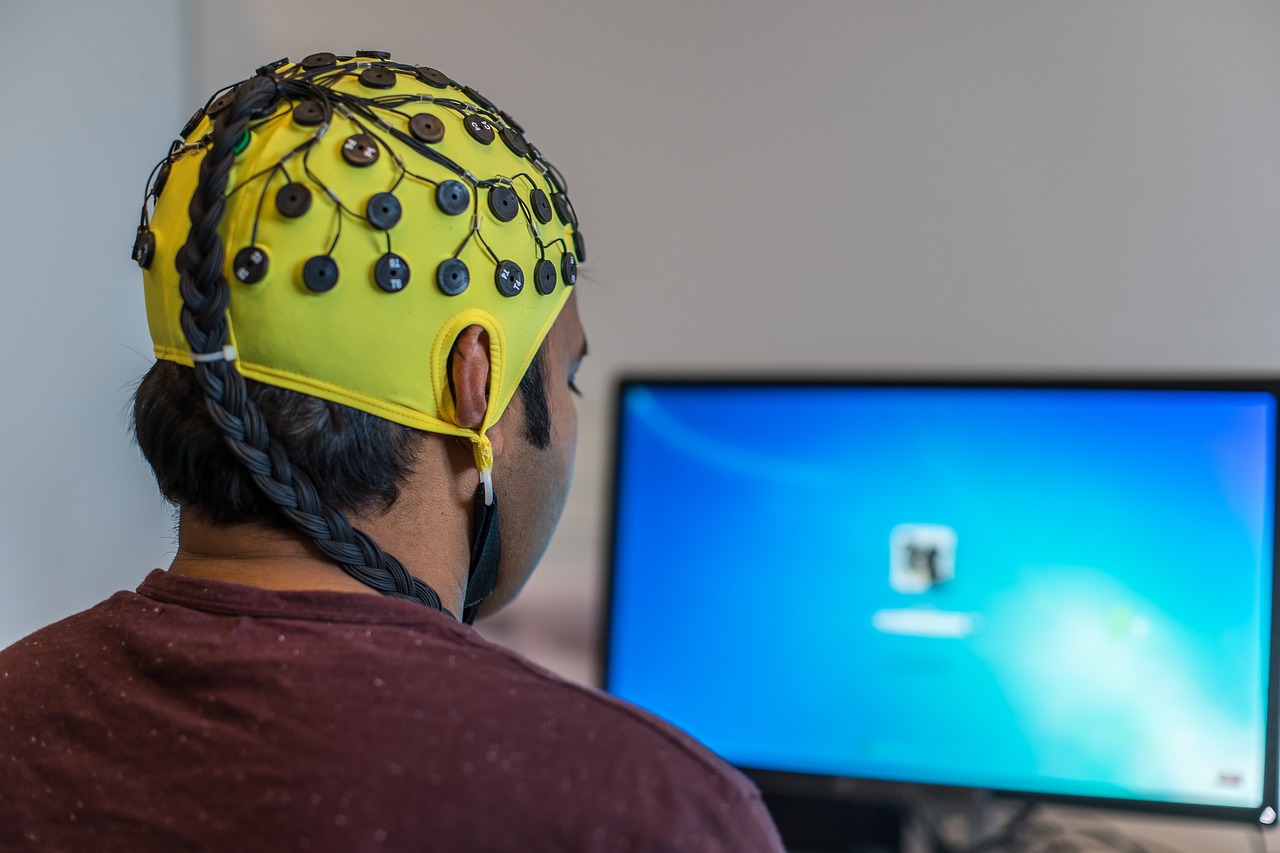
Achieving peak performance isn’t about working harder—it’s about working smarter by integrating your mental focus, physical conditioning, and recovery strategies into one cohesive system.

Modern athletes, executives, and high performers are discovering that true excellence emerges when mind, body, and recovery work in harmony rather than isolation. This integrated approach transforms scattered efforts into a powerful performance engine that consistently delivers results. The days of compartmentalized training are over; the future belongs to those who understand the interconnected nature of human potential.
🎯 The Foundation of Integrated Performance Systems
Integrated performance systems represent a paradigm shift from traditional training methodologies. Instead of treating mental preparation, physical training, and recovery as separate domains, this approach recognizes them as interdependent components of a single ecosystem. When properly aligned, these elements create synergies that exponentially increase your capacity for sustained high performance.
The human body operates as an incredibly complex adaptive system. Your nervous system, muscular structure, hormonal balance, and cognitive functions constantly communicate and influence one another. When you push hard physically without adequate mental preparation, your performance suffers. When you neglect recovery while maximizing training intensity, you risk burnout and injury. The integrated approach ensures each component supports and enhances the others.
Understanding the Performance Triangle
At the core of integrated performance lies a triangle connecting mind, body, and recovery. Each corner represents a critical pillar, and the strength of your overall performance depends on maintaining balance across all three. Weakness in any single area creates a bottleneck that limits your entire system’s effectiveness.
Your mind provides the strategic direction, motivation, and focus necessary to execute at high levels. Your body serves as the physical instrument through which intentions become actions. Recovery acts as the regenerative phase where adaptation occurs, allowing you to emerge stronger from each training cycle. Together, these three elements create a self-reinforcing loop of continuous improvement.
🧠 Mental Optimization: Programming Your Performance Software
Mental preparation extends far beyond simple positive thinking or visualization exercises. Modern neuroscience reveals that your brain possesses remarkable plasticity—the ability to rewire itself based on consistent practices and experiences. By deliberately training your mental patterns, you can literally reshape the neural pathways that govern performance.
Elite performers develop specific mental skills that translate directly into competitive advantages. These include focus management, emotional regulation, pattern recognition, decision-making under pressure, and the ability to enter flow states on demand. Each skill requires deliberate practice and systematic development, much like physical abilities.
Attention Architecture and Flow States
Your attention represents your most valuable cognitive resource. In our distraction-saturated environment, the ability to direct and sustain focus becomes a superpower. Integrated performance systems include protocols for developing concentration stamina, minimizing mental drift, and creating optimal conditions for deep work.
Flow states—those magical periods when time disappears and performance feels effortless—don’t happen by accident. Research identifies specific triggers that increase flow probability: clear goals, immediate feedback, challenge-skill balance, and environmental design. By intentionally engineering these conditions, you can access peak states more consistently.
Mental Resilience Training
Pressure reveals character, and mental resilience determines whether challenges become opportunities or obstacles. Resilience training involves controlled exposure to stress, developing cognitive reframing skills, and building a robust internal narrative that interprets setbacks as feedback rather than failure.
Mindfulness practices strengthen your ability to maintain composure during high-stakes situations. Regular meditation builds the mental muscle to observe thoughts without being controlled by them, creating space between stimulus and response. This gap becomes the zone where champions operate—making optimal decisions when others panic.
💪 Physical Excellence: Optimizing Your Biological Hardware
Physical training in an integrated system goes beyond generic fitness. It requires understanding your specific performance demands and designing training protocols that develop relevant capacities while minimizing injury risk. This personalized approach considers your unique biomechanics, recovery capacity, and performance objectives.
Modern training science emphasizes periodization—strategically varying training intensity, volume, and focus across different time periods. This prevents adaptation plateaus and reduces overtraining risk while systematically building the physical qualities your performance requires.
Strength, Power, and Mobility Integration
True physical preparedness requires balanced development across multiple fitness dimensions. Strength provides the foundation for force production. Power translates that strength into explosive action. Mobility ensures your body can access optimal movement patterns without compensation or restriction.
Many performers overemphasize certain qualities while neglecting others, creating imbalances that limit performance and increase injury susceptibility. A basketball player who develops tremendous jumping power without adequate landing mechanics faces knee problems. An executive who sits twelve hours daily without mobility work develops movement dysfunctions that drain energy and focus.
Energy Systems Development
Your body possesses three primary energy systems: phosphagen (immediate power), glycolytic (medium duration), and oxidative (endurance). Elite performance requires developing the specific energy systems your activities demand while maintaining baseline capacity across all three.
Sprint athletes prioritize phosphagen system development while maintaining aerobic base. Endurance competitors emphasize oxidative capacity while preserving power output. Knowledge workers benefit from enhanced cerebral blood flow through cardiovascular training. Understanding and training your relevant energy pathways optimizes performance efficiency.
😴 Recovery Protocols: Where Growth Actually Happens
Perhaps the most underappreciated component of integrated performance systems is strategic recovery. Many performers mistake activity for progress, failing to recognize that adaptation occurs during rest periods, not training sessions. Your workout creates the stimulus; recovery provides the opportunity for your body to rebuild stronger.
Recovery encompasses multiple dimensions: sleep quality, nutritional strategies, stress management, active regeneration techniques, and psychological decompression. Each plays a specific role in preparing your system for the next performance challenge.
Sleep Architecture and Performance
Sleep represents your most powerful performance enhancer—more impactful than any supplement or training protocol. During sleep, your brain consolidates learning, your body releases growth hormones, and your nervous system recovers from daily demands. Chronic sleep deprivation devastates cognitive function, emotional regulation, and physical recovery capacity.
Quality matters as much as quantity. Sleep architecture involves progressing through multiple stages, each serving specific recovery functions. Deep sleep facilitates physical restoration. REM sleep processes emotional experiences and consolidates learning. Disrupted sleep architecture—even with adequate duration—impairs recovery effectiveness.
Nutritional Recovery Strategies
Your nutrition determines whether your body has the raw materials necessary for adaptation and recovery. Post-training nutrition windows create opportunities to optimize protein synthesis, replenish glycogen stores, and manage inflammation. Strategic supplementation can address specific deficiencies that limit recovery capacity.
Hydration status profoundly impacts both performance and recovery. Even mild dehydration impairs cognitive function, reduces strength output, and slows recovery processes. Electrolyte balance ensures proper cellular function and nervous system communication. Simple hydration protocols deliver outsized performance returns.
🔄 Building Your Personalized Integration Protocol
Understanding integrated performance principles matters little without practical implementation. Building your personalized system requires honest assessment, strategic planning, and consistent execution. The most sophisticated protocol fails without adherence; the simplest system succeeds when applied consistently.
Assessment and Baseline Establishment
Effective integration begins with knowing your current state across all three performance domains. Mental assessments evaluate focus capacity, stress resilience, and emotional regulation. Physical testing establishes strength, power, endurance, and mobility baselines. Recovery audits examine sleep quality, stress levels, and regeneration practices.
This comprehensive snapshot reveals your performance profile—identifying strengths to leverage and weaknesses requiring attention. Many performers discover surprising gaps. The executive with excellent mental discipline but poor sleep quality. The athlete with impressive physical capacity but inadequate stress management. Assessment illuminates the path forward.
Creating Synergistic Protocols
Integration means designing protocols where each component supports the others. Morning meditation prepares your mind for training intensity. Proper training timing optimizes circadian recovery rhythms. Post-training nutrition accelerates physical recovery while supporting cognitive function. Each element amplifies the others’ effectiveness.
Your weekly schedule should reflect balanced emphasis across all three domains. High-intensity training days require enhanced recovery protocols. Periods of intense mental work demand adequate physical movement to maintain clarity. Strategic rest days aren’t laziness—they’re essential adaptation opportunities.
📊 Tracking Progress and Adjusting Systems
What gets measured gets managed. Integrated performance systems require tracking mechanisms across mental, physical, and recovery domains. Modern technology enables detailed monitoring without overwhelming complexity. The key is selecting metrics that actually matter for your specific performance objectives.
Mental tracking might include focus quality ratings, stress perception scales, and mood monitoring. Physical metrics could encompass training volume, intensity markers, and performance benchmarks. Recovery indicators include sleep duration and quality, resting heart rate variability, and subjective recovery perception.
Interpreting Data for Optimization
Data collection means nothing without intelligent interpretation. Trends matter more than isolated data points. Declining heart rate variability combined with reduced training performance and poor sleep quality signals overtraining. Improved focus scores alongside consistent training output indicates proper integration and recovery balance.
Regular review cycles—weekly, monthly, and quarterly—enable system refinement. What’s working? What needs adjustment? Are you progressing toward your goals? This feedback loop transforms your system from static protocol into dynamic, responsive framework that evolves with your changing needs and capacities.
🚀 Advanced Integration Techniques for Elite Performance
Once you’ve established foundational integration, advanced techniques can push performance to exceptional levels. These methods require solid basics but deliver remarkable results when properly implemented.
Strategic Stress Application
Not all stress damages performance—strategic stress exposure builds resilience and adaptation. Hormetic stressors like cold exposure, heat therapy, and intermittent fasting create controlled challenges that strengthen your system’s ability to handle demands. The key is dosage: enough stimulus to trigger adaptation without overwhelming recovery capacity.
Cold water immersion reduces inflammation, enhances mental toughness, and activates metabolic pathways. Sauna sessions improve cardiovascular function and promote deep relaxation. These tools, properly applied, accelerate recovery while building stress resilience. Timing and frequency determine whether they enhance or impair your overall system.
Cognitive-Physical Pairing
Advanced performers combine mental and physical training for synergistic benefits. Learning new movement skills enhances neuroplasticity. Performing cognitive tasks during physical activity trains your ability to think clearly under metabolic stress. This dual-loading prepares you for real-world performance demands that rarely separate mental and physical challenges.
Sport-specific examples include decision-making drills during conditioning work or strategy review during active recovery sessions. Knowledge worker applications might involve walking meetings or exercise-adjacent learning activities. The principle remains constant: integrate rather than separate for maximum transfer effects.
🎭 Real-World Application Across Performance Domains
Integrated performance systems apply across vastly different contexts—from athletic competition to business execution, artistic performance to military operations. The principles remain consistent even as specific applications vary.
Athletic Performance Integration
Elite athletes exemplify integrated performance. Their training camps combine technical skill work, tactical preparation, physical conditioning, and mental training. Recovery receives equal emphasis through scheduled rest, nutrition protocols, and regeneration modalities. Competition performance reflects preparation quality across all three domains.
Team sports add additional complexity requiring social dynamics integration. Individual excellence must align with collective objectives. Communication patterns, trust building, and role clarity become additional variables in the performance equation. The most successful teams master both individual and collective integration.
Executive and Knowledge Worker Optimization
Business performance demands sustained cognitive output, emotional regulation under pressure, and stamina for extended decision-making periods. Integrated systems for executives might emphasize cognitive endurance training, stress management protocols, and energy optimization through movement and recovery practices.
The sedentary nature of knowledge work creates specific challenges requiring intentional physical activity integration. Strategic movement breaks maintain cognitive clarity. Proper ergonomics reduce physical drain that depletes mental resources. Recovery practices manage the unique stresses of information overload and continuous connectivity.
💡 Sustaining Long-Term Excellence Through System Evolution
Peak performance isn’t a destination—it’s a journey requiring continuous adaptation. Your integrated system must evolve as you develop, as your goals shift, and as your life circumstances change. The most successful performers view their systems as living frameworks rather than rigid prescriptions.
Regular system audits identify what’s working and what needs refinement. As certain capacities improve, your training emphasis shifts to address new limiting factors. Life transitions—career changes, family dynamics, aging—require protocol adjustments. Flexibility within structure defines sustainable high performance.
Building Resilient Performance Habits
Long-term success depends on habit formation around your integrated protocols. Willpower and motivation fluctuate; habits provide consistency regardless of temporary feelings. By automating your core practices, you ensure continued progress even during challenging periods.
Habit stacking—attaching new behaviors to existing routines—accelerates integration. Morning mobility work follows your alarm. Post-workout nutrition becomes automatic. Evening recovery protocols signal sleep preparation. These connected behaviors create robust systems resistant to disruption.

🌟 Your Journey to Integrated Excellence Begins Now
Understanding integrated performance systems is valuable; implementing them transforms everything. Your potential extends far beyond what fragmented approaches can unlock. By aligning mind, body, and recovery into a coherent system, you access performance levels that previously seemed impossible.
Start where you are. Assess your current state honestly across all three domains. Identify your biggest limiting factor—whether mental, physical, or recovery-related. Design simple protocols addressing that weakness while maintaining your strengths. Track your progress. Adjust based on results. Repeat this cycle consistently.
Peak performance belongs to those who recognize that excellence emerges from integration, not isolation. Your mind, body, and recovery capacity want to work together—they’re designed for synergy. By removing the artificial barriers between these domains and creating systems that honor their interconnection, you unlock potential that isolated approaches can never reach. The question isn’t whether integrated performance systems work; it’s whether you’re ready to implement them and discover what you’re truly capable of achieving.