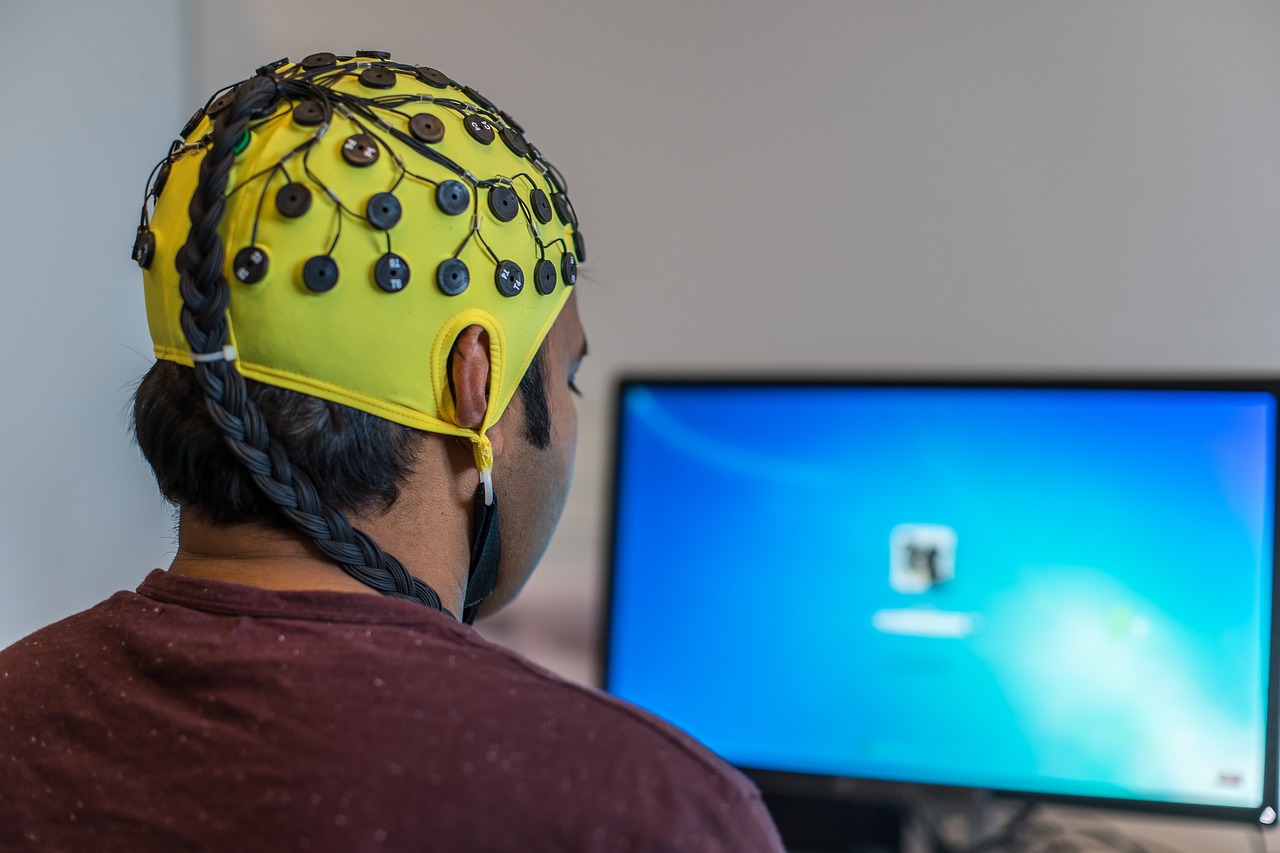
Your brain is not a fixed structure—it’s a dynamic, ever-evolving organ capable of profound transformation. The key to unlocking this potential lies in understanding how experience-driven brain rewiring works and leveraging the powerful trio of repetition, novelty, and emotion.

Every thought you think, every action you take, and every emotion you feel physically reshapes your neural pathways. This remarkable phenomenon, known as neuroplasticity, means you’re not stuck with the brain you were born with. You have the power to deliberately sculpt your mind, building new connections and strengthening beneficial patterns while weakening destructive ones.
🧠 The Science Behind Experience-Driven Brain Rewiring
Neuroplasticity represents one of the most exciting discoveries in neuroscience. For decades, scientists believed the adult brain was essentially fixed, but research has proven this assumption spectacularly wrong. Your brain constantly reorganizes itself based on your experiences, creating new neural pathways and pruning unused ones.
When you engage in any activity—whether learning a new language, practicing meditation, or developing a habit—your neurons fire together in specific patterns. As neuroscientist Donald Hebb famously stated, “neurons that fire together, wire together.” This means repeated experiences strengthen neural connections, making certain thoughts and behaviors more automatic over time.
The process involves several key mechanisms. Synaptic plasticity occurs when connections between neurons strengthen or weaken. Neurogenesis involves the birth of new neurons, particularly in the hippocampus, a region crucial for learning and memory. Myelination increases the speed of signal transmission along neural pathways, making processes more efficient.
The Power Triangle: Repetition, Novelty, and Emotion
Three fundamental forces drive meaningful brain change. Understanding how each works—and how they interact—gives you unprecedented control over your mental transformation.
Repetition: The Foundation of Lasting Change
Repetition serves as the bedrock of neuroplastic change. Each time you repeat a thought pattern, behavior, or skill, you strengthen the associated neural pathway. Think of it like walking through a forest—the first time is difficult, but each subsequent journey makes the path clearer and easier to traverse.
The magic of repetition lies in its ability to make conscious actions unconscious. When you first learn to drive, every movement requires intense focus. After sufficient repetition, driving becomes automatic, allowing you to hold conversations while navigating traffic. This transition from effortful to automatic represents physical changes in your brain structure.
Research suggests that forming a new habit requires consistent repetition over an extended period. While popular culture often cites 21 days, studies show the reality is more complex, with simple habits forming faster than complex ones. The key isn’t hitting a specific number but maintaining consistency until the behavior feels natural.
Novelty: The Catalyst for Neural Growth
While repetition strengthens existing pathways, novelty creates new ones. Your brain releases dopamine in response to novel experiences, making you more alert, engaged, and primed for learning. This neurochemical response evolved to help our ancestors survive by staying attentive to new environmental features that might represent opportunities or threats.
Novelty doesn’t require dramatic life changes. Small variations in routine can stimulate neural growth. Taking a different route to work, trying a new cuisine, learning an unfamiliar skill, or engaging with ideas outside your usual interests all qualify as novel experiences that promote brain plasticity.
The relationship between novelty and learning is particularly powerful. When you encounter something new within a familiar context, your brain enters an optimal state for forming memories and building connections. This principle explains why varying your study methods improves retention or why cross-training enhances athletic performance more than repetitive practice alone.
Emotion: The Amplifier of Memory and Change
Emotions act as a neurological highlighter, marking experiences as important and worthy of remembering. The amygdala, your brain’s emotional center, tags emotionally charged experiences, ensuring they receive priority processing and storage.
You likely remember exactly where you were during significant personal or historical events, not because you consciously tried to memorize the details, but because emotion etched them into your neural architecture. This emotional tagging system explains why you might forget mundane daily activities but vividly recall a moment of joy, fear, or surprise from years ago.
Positive emotions like curiosity, joy, and excitement create optimal learning states. They broaden your attention, enhance creativity, and improve problem-solving abilities. Negative emotions like fear and stress can also drive learning, but chronic stress impairs neuroplasticity and cognitive function, highlighting the importance of managing emotional states strategically.
🎯 Practical Strategies for Deliberate Brain Rewiring
Understanding the principles is valuable, but application transforms knowledge into results. Here are evidence-based strategies for harnessing repetition, novelty, and emotion to reshape your brain.
Design Your Environment for Success
Your environment constantly shapes your brain, often without conscious awareness. By deliberately designing your surroundings, you can make desired behaviors easier and undesired ones harder.
If you want to read more, place books in visible, accessible locations. If you’re reducing screen time, charge devices outside your bedroom. Environmental design leverages repetition by making beneficial actions the path of least resistance, requiring less willpower and becoming automatic faster.
Practice Spaced Repetition for Accelerated Learning
Not all repetition is created equal. Spaced repetition—reviewing information at increasing intervals—produces stronger neural connections than massed practice. This technique works with your brain’s natural consolidation processes, transferring information from short-term to long-term memory more effectively.
Language learners have long used spaced repetition systems to acquire vocabulary efficiently. The same principle applies to any skill or knowledge domain. By strategically spacing practice sessions, you achieve better results with less total time invested.
Embrace Productive Discomfort
Growth lives just outside your comfort zone. Novelty inherently involves discomfort—the awkwardness of trying something new, the uncertainty of unfamiliar territory. Rather than avoiding this discomfort, learn to recognize it as a signal that your brain is building new pathways.
Challenge yourself regularly with activities that stretch your current capabilities. This might mean learning a musical instrument, studying a complex subject, or developing a physical skill. The key is finding the sweet spot between too easy (no growth) and too difficult (frustration and abandonment).
Cultivate Emotional Awareness
Since emotion powerfully influences what your brain prioritizes, developing emotional awareness gives you greater control over your mental transformation. Pay attention to which activities generate positive emotions like flow, curiosity, or satisfaction—these states accelerate learning and reinforce beneficial patterns.
Mindfulness practices enhance emotional awareness while simultaneously rewiring your brain. Regular meditation strengthens attention networks, reduces activity in the default mode network associated with mind-wandering, and increases gray matter density in regions associated with self-awareness and compassion.
⚡ Combining the Three Forces for Maximum Impact
The real magic happens when you integrate repetition, novelty, and emotion strategically. Each force amplifies the others, creating synergistic effects that accelerate transformation.
The Varied Practice Approach
Combine repetition with novelty through varied practice. Instead of repeating identical exercises, introduce variations that maintain the core skill while changing contextual elements. Musicians practice scales in different keys, athletes train in varied conditions, and language learners use diverse materials—all applying this principle.
Varied practice feels harder initially because it prevents the false confidence that comes from purely repetitive practice. However, it produces more robust, transferable skills because your brain learns underlying principles rather than memorizing specific scenarios.
Emotional Goal Setting
Connect your transformation goals to emotional motivations. Instead of setting purely cognitive goals like “learn Spanish,” explore the emotional drivers: “experience the joy of conversing with locals during travel” or “connect with my heritage by speaking my grandparents’ language.”
When you anchor goals in emotion, you access deeper motivation that sustains effort through challenges. Visualize not just the achievement but the feelings associated with success—this activates the same neural networks involved in the actual experience, priming your brain for the transformation.
Create Rituals That Combine All Three
Establish regular practices that integrate repetition, novelty, and emotion. A morning routine might include meditation (repetition), reading about a new topic (novelty), and journaling about gratitude (emotion). These rituals become powerful drivers of neural change precisely because they activate multiple plasticity mechanisms simultaneously.
🚀 Overcoming Common Obstacles to Brain Rewiring
Understanding how to transform your brain is one thing; navigating the inevitable challenges is another. Recognizing common obstacles prepares you to persist through difficulties.
The Plateau Problem
Progress rarely follows a linear path. You’ll experience plateaus where improvement seems to stall despite continued effort. These periods don’t indicate failure—they represent consolidation phases where your brain integrates previous learning.
When you hit a plateau, resist the urge to abandon your practice. Instead, introduce strategic novelty through new approaches, techniques, or perspectives on the same skill. Often, plateaus precede breakthrough moments where disparate elements suddenly click into place.
Consistency Challenges
Repetition requires consistency, but life inevitably disrupts routines. Rather than pursuing perfection, aim for resilience. When you miss a day or experience setbacks, focus on resuming practice quickly rather than dwelling on the interruption.
Research on habit formation shows that occasional lapses don’t significantly impact long-term success, but extended breaks do. The key is developing the mental flexibility to restart after interruptions without self-judgment or loss of motivation.
Information Overload
In our information-saturated world, endless options for learning and growth can paralyze decision-making. Combat this by focusing deeply on a few key areas rather than superficially sampling many. Deep practice in focused domains produces more meaningful brain changes than scattered attention across numerous interests.
💡 Measuring Your Transformation
Brain rewiring often occurs below conscious awareness. Establishing methods to track progress helps maintain motivation and guides adjustments to your approach.
Keep a learning journal documenting not just what you practice but how it feels, what you notice, and how your capabilities evolve. This metacognitive awareness—thinking about your thinking—itself promotes neuroplasticity while creating a record of your journey.
Set specific, measurable milestones that mark progress. These might include performance metrics for skills, behavioral changes you can observe, or subjective assessments of confidence and comfort with new abilities. Celebrating these markers reinforces positive emotions associated with growth, further supporting neural change.
🌟 The Long-Term Vision: Building a Growth-Oriented Brain
The ultimate goal isn’t just changing specific behaviors or acquiring particular skills—it’s cultivating a brain that embraces growth as its default mode. When you consistently leverage repetition, novelty, and emotion, you don’t just build new capabilities; you reshape your fundamental relationship with learning and change.
This meta-level transformation makes future learning easier. Your brain becomes more efficient at forming new connections, more comfortable with the discomfort of novelty, and more skilled at generating the emotional states that support growth. You develop what psychologist Carol Dweck calls a “growth mindset”—the belief that abilities can be developed through dedication and hard work.
The science is clear: your brain remains capable of profound change throughout your lifetime. Age brings some changes to neuroplastic processes, but research shows that older adults retain significant capacity for learning and neural reorganization. The key is engagement—continuing to challenge yourself with novel experiences, maintaining consistent practice of valued skills, and cultivating emotional connections to your growth journey.
Your Transformation Starts Now
Every moment presents an opportunity for brain rewiring. The conversation you’re about to have, the task you’re approaching, the thought pattern you’re noticing—all of these shape your neural architecture. With awareness of how repetition, novelty, and emotion drive change, you can approach each experience as a chance to sculpt your mind deliberately.
Start small but start today. Choose one area of your life where you want to see transformation. Design a practice that incorporates repetition for consistency, novelty to maintain engagement and create new pathways, and emotional connection to deepen motivation and enhance memory formation.
Remember that brain rewiring is not a destination but a continuous journey. There’s no finish line where your brain stops changing—it remains dynamic throughout your life. This reality is both humbling and empowering. It means you’re never stuck, never beyond transformation, never too late to become a different version of yourself.
The power to transform your mind has always been within you. Now you understand the mechanisms that make it possible and the strategies that make it practical. Your brain is waiting, ready to rewire itself based on the experiences you choose to create. The question isn’t whether you can transform—it’s what transformation you’ll choose to pursue.