Your brain operates like a finely tuned orchestra, with billions of neurons firing in synchronized patterns that determine everything from your focus to your emotional state. Understanding and optimizing these neural rhythms can unlock extraordinary levels of performance, creativity, and well-being.

The science of neural oscillation regulation represents one of the most exciting frontiers in human performance optimization. By learning to influence your brainwave patterns, you can access states of consciousness that enhance learning, reduce stress, and elevate cognitive function to levels you never thought possible.
🧠 Understanding Neural Oscillations: The Brain’s Hidden Language
Neural oscillations are rhythmic patterns of electrical activity generated by synchronized firing of neurons in your brain. These brainwaves occur at different frequencies, each associated with specific mental states and cognitive functions. Think of them as the underlying soundtrack to your consciousness, constantly shifting and adapting to your environment and internal needs.
Your brain doesn’t operate at a single frequency. Instead, multiple oscillation patterns coexist simultaneously across different brain regions, creating a complex symphony of neural activity. When these oscillations are balanced and harmonized, you experience optimal cognitive performance, emotional stability, and overall well-being.
The Five Primary Brainwave States
Science has identified five main categories of brainwave frequencies, each playing distinct roles in your mental and physical functioning:
- Delta waves (0.5-4 Hz): The slowest brainwaves, dominant during deep sleep and associated with healing and regeneration
- Theta waves (4-8 Hz): Present during meditation, deep relaxation, and the twilight state between waking and sleeping
- Alpha waves (8-12 Hz): Characterize calm, relaxed alertness and serve as a bridge between conscious and subconscious mind
- Beta waves (12-30 Hz): Dominate during active thinking, problem-solving, and focused attention
- Gamma waves (30-100 Hz): The fastest frequencies, linked to peak cognitive performance and heightened perception
⚡ The Performance Connection: How Brainwave Balance Affects Your Life
When your neural oscillations are dysregulated, you experience the consequences immediately. Brain fog, anxiety, insomnia, difficulty concentrating, and chronic stress are all symptoms of brainwave imbalance. Conversely, achieving optimal brainwave states can transform your daily performance across multiple dimensions.
Elite athletes, top executives, and high-performing creatives have long recognized that mental state determines outcomes. What they’ve discovered through experience, neuroscience now confirms through research: deliberately cultivating specific brainwave patterns creates measurable improvements in performance.
Recognizing Brainwave Imbalance in Your Daily Life
Excessive beta wave activity manifests as racing thoughts, anxiety, and inability to relax. Too much theta during waking hours creates spaciness and difficulty maintaining focus. Understanding these patterns helps you identify when intervention is needed.
Modern life heavily skews toward high-beta states due to constant stimulation, multitasking demands, and chronic stress. This creates a performance deficit as your brain becomes locked in hyperactive patterns, unable to access the deeper states necessary for recovery, creativity, and integration of learning.
🎯 Techniques for Neural Oscillation Regulation
The good news is that you’re not passive victim to your brainwave patterns. Multiple evidence-based techniques allow you to actively shape your neural oscillations, creating the mental states most conducive to your current goals.
Neurofeedback: Direct Training for Your Brain
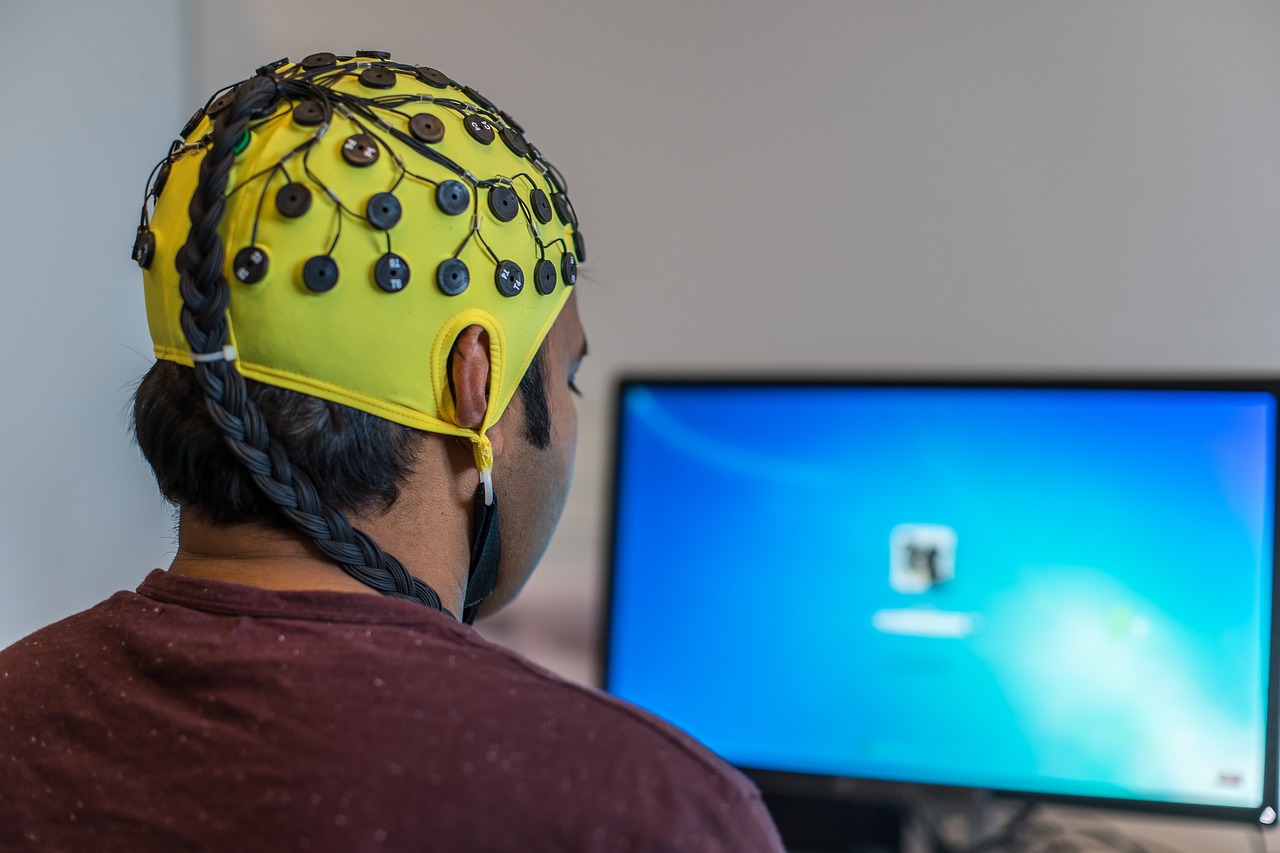
Neurofeedback represents the gold standard for brainwave regulation. This technique uses real-time displays of brain activity to teach your nervous system to self-regulate more effectively. During sessions, sensors monitor your brainwaves while you receive immediate feedback, allowing you to learn conscious control over previously unconscious processes.
Research demonstrates that consistent neurofeedback training produces lasting changes in brain function. Studies show improvements in attention disorders, anxiety, depression, and cognitive performance that persist long after training concludes.
Meditation and Mindfulness Practices
Meditation is perhaps the most accessible and well-researched method for brainwave regulation. Regular meditation practice increases alpha wave production, promoting calm focus while reducing anxiety-producing beta activity. Advanced meditators can even access gamma states associated with heightened awareness and compassion.
Different meditation styles produce distinct brainwave signatures. Focused attention meditation enhances theta and alpha coherence, while open monitoring practices increase gamma synchronization. This allows you to select practices aligned with your specific optimization goals.
Binaural Beats and Brainwave Entrainment
Brainwave entrainment uses external stimuli to influence neural oscillations through a phenomenon called frequency following response. When you listen to binaural beats—slightly different frequencies played in each ear—your brain generates a third frequency matching the difference between them.
Research on binaural beats shows promising results for anxiety reduction, focus enhancement, and sleep improvement. While effects are typically temporary, regular use can help train your brain to access desired states more easily over time.
💡 Strategic Brainwave Optimization for Specific Goals
Different objectives require different neural states. Matching your brainwave pattern to your task creates dramatic improvements in both performance quality and efficiency.
Enhancing Focus and Productivity
Optimal work performance requires sustained beta activity in the 12-20 Hz range, combined with sufficient alpha to prevent mental fatigue. Too much high-beta creates anxiety and errors, while insufficient beta leads to distraction and procrastination.
To optimize focus, begin work sessions with brief alpha-inducing activities like deep breathing or light meditation. This creates a relaxed-alert baseline. Then engage fully with your task, allowing natural beta increase. Take regular breaks to prevent beta overload, using alpha-inducing activities to reset before the next work block.
Boosting Creativity and Innovation
Creative breakthroughs emerge from theta and alpha states, where your conscious mind relaxes enough to allow subconscious connections to surface. This explains why great ideas often arrive during showers, walks, or just before sleep—moments when you naturally enter these frequencies.
Deliberately cultivating theta-alpha states enhances creative capacity. Try morning journaling before full wakefulness, walking meditation, or sensory deprivation experiences. These practices maintain connection to deeper brainwave states where creative insights live.
Improving Sleep Quality and Recovery
Quality sleep requires smooth transitions from beta to alpha to theta to delta. Modern sleep problems often stem from inability to downshift from high-beta waking states. Your brain remains in alert mode, preventing the neural oscillation changes necessary for restorative sleep.
Create a technology-free wind-down period of at least one hour before bed. Use this time for alpha-inducing activities: reading, gentle stretching, meditation, or quiet conversation. This trains your brain to transition efficiently through the brainwave states leading to deep sleep.
🔬 The Science Behind Peak Performance States
Flow states—those moments of effortless high performance—have a distinct neural signature. Research shows that during flow, your brain exhibits increased alpha and theta activity in the prefrontal cortex, along with heightened gamma synchronization across brain regions.
This pattern represents a unique combination: the relaxed focus of alpha, the creative accessibility of theta, and the heightened processing of gamma, all while the self-critical prefrontal cortex quiets. Understanding this allows you to deliberately create conditions that promote flow.
Training Your Brain for Flow
Flow states occur more readily when you’ve trained your brain to access and sustain the necessary oscillation patterns. Regular meditation builds the alpha-theta capacity. Challenging activities that match your skill level promote the transition into flow. Eliminating distractions prevents disruption of the delicate neural balance.
Progressive athletes and performers now incorporate neurofeedback training specifically designed to enhance flow-state brainwave patterns. This creates a competitive advantage by increasing both the frequency and duration of peak performance episodes.
🌟 Practical Implementation: Your Neural Optimization Protocol
Knowledge without application produces no results. Implementing a systematic approach to brainwave regulation creates the lasting changes that transform performance.
Morning Routine for Optimal Brain Function
Your morning routine sets your neural patterns for the entire day. Upon waking, spend 5-10 minutes in meditation or conscious breathing before checking devices. This extends the theta-alpha state naturally present upon waking, priming creativity and calm focus.
Follow with light physical activity—walking, yoga, or stretching—which promotes alpha production while gently increasing alertness. Only after this foundation should you engage with demanding cognitive tasks or digital stimulation.
Strategic Breaks and State Shifting
Your brain cannot maintain high-beta focus indefinitely without degradation. Implement the 90-minute ultradian rhythm: work in focused 90-minute blocks, followed by 15-20 minute breaks where you deliberately shift to alpha states through relaxation techniques.
These breaks aren’t lost productivity—they’re essential for sustained high performance. They allow your brain to consolidate learning, restore resources, and prevent the stress-induced brainwave dysregulation that destroys afternoon productivity.
Evening Wind-Down for Recovery
As daylight fades, support your brain’s natural transition toward slower frequencies. Dim lighting, reduce stimulation, and engage in calming activities. Consider theta-inducing practices like gentle yoga, gratitude journaling, or listening to calming music.
Avoid high-beta activities like intense exercise, work emails, or stimulating content within two hours of sleep. This gives your nervous system adequate time to downshift through the brainwave spectrum toward the delta dominance required for restorative sleep.
🚀 Advanced Strategies for Neural Excellence
Once you’ve mastered basic brainwave regulation, advanced techniques can further enhance your mental capabilities and performance ceiling.
Combining Modalities for Synergistic Effects
The most powerful results come from combining multiple regulation techniques. Try binaural beats during meditation, or neurofeedback sessions followed by specific mental training. These combinations create reinforcing effects that accelerate progress.
Experiment with breathwork patterns designed to influence brainwave states. Slow, rhythmic breathing at six breaths per minute enhances alpha and theta production. Rapid breathing techniques can increase alertness and beta activity when needed.
Measuring and Tracking Your Progress
Consumer EEG devices now make brainwave measurement accessible outside clinical settings. While not as precise as medical-grade equipment, these tools provide valuable feedback on your regulation practices and progress over time.
Track subjective measures as well: focus quality, stress levels, sleep quality, and creative output. Correlation between your practices and these outcomes reveals which techniques work best for your unique neurobiology.
🎼 Orchestrating Your Mental Symphony
Mastering your mind’s rhythm isn’t about achieving perfect control—it’s about developing fluency with your brain’s natural states and learning to access the right pattern for each situation. Like a skilled conductor, you learn when to increase tempo, when to soften, and how to create harmonious performance.
The journey toward neural optimization is progressive and personal. What works optimally for one person may differ for another due to individual neurobiological differences. This makes experimentation and self-awareness essential components of your practice.
Start with consistency rather than perfection. Even five minutes of daily meditation or conscious breathwork begins reshaping your brainwave patterns. As these practices become habitual, your brain increasingly defaults to balanced, adaptive oscillation patterns rather than stuck, dysfunctional states.

🌈 The Transformative Potential of Brainwave Mastery
Understanding and regulating neural oscillations represents a fundamental life skill for the modern world. In an environment of constant stimulation and demand, those who can consciously shape their brain states gain enormous advantages in performance, well-being, and resilience.
The research is clear: brainwave regulation techniques produce measurable improvements across cognitive, emotional, and physical domains. From Fortune 500 executives to Olympic athletes, elite performers increasingly incorporate these practices into their optimization protocols.
Yet the most profound benefits extend beyond performance metrics. Learning to navigate your brainwave states creates a deeper relationship with your own consciousness. You develop the capacity to observe and influence your mental states rather than being helplessly driven by them.
This metacognitive awareness—this ability to witness and shape your own neural patterns—may be the ultimate performance enhancement. It creates agency where previously there was only reactivity, choice where there was compulsion, and mastery where there was confusion.
Begin today with simple practices: a few minutes of morning meditation, conscious breathing breaks during your workday, and a device-free evening wind-down. These small consistent actions initiate the neural changes that compound into transformative results over weeks and months.
Your brain possesses extraordinary plasticity—the ability to reorganize and optimize throughout your lifetime. By engaging with neural oscillation regulation, you activate this potential, progressively training your nervous system toward greater balance, resilience, and peak performance. The rhythm of your mind determines the quality of your life. It’s time to become the conductor of your own neural symphony. 🎵