Peak performance isn’t reserved for elite athletes or corporate executives. It’s a state accessible to anyone willing to harness the transformative power of flow training exercises that rewire how your brain approaches challenges and concentration.

Understanding momentum in the context of human performance reveals why some days you effortlessly accomplish tasks while others feel like pushing a boulder uphill. The difference lies in accessing flow states—those magical moments when time disappears, productivity soars, and your capabilities seem limitless. This comprehensive guide will show you exactly how to master your momentum through scientifically-backed flow training exercises that unlock sustained peak performance and razor-sharp focus.
🧠 Understanding Flow: The Science Behind Peak Performance
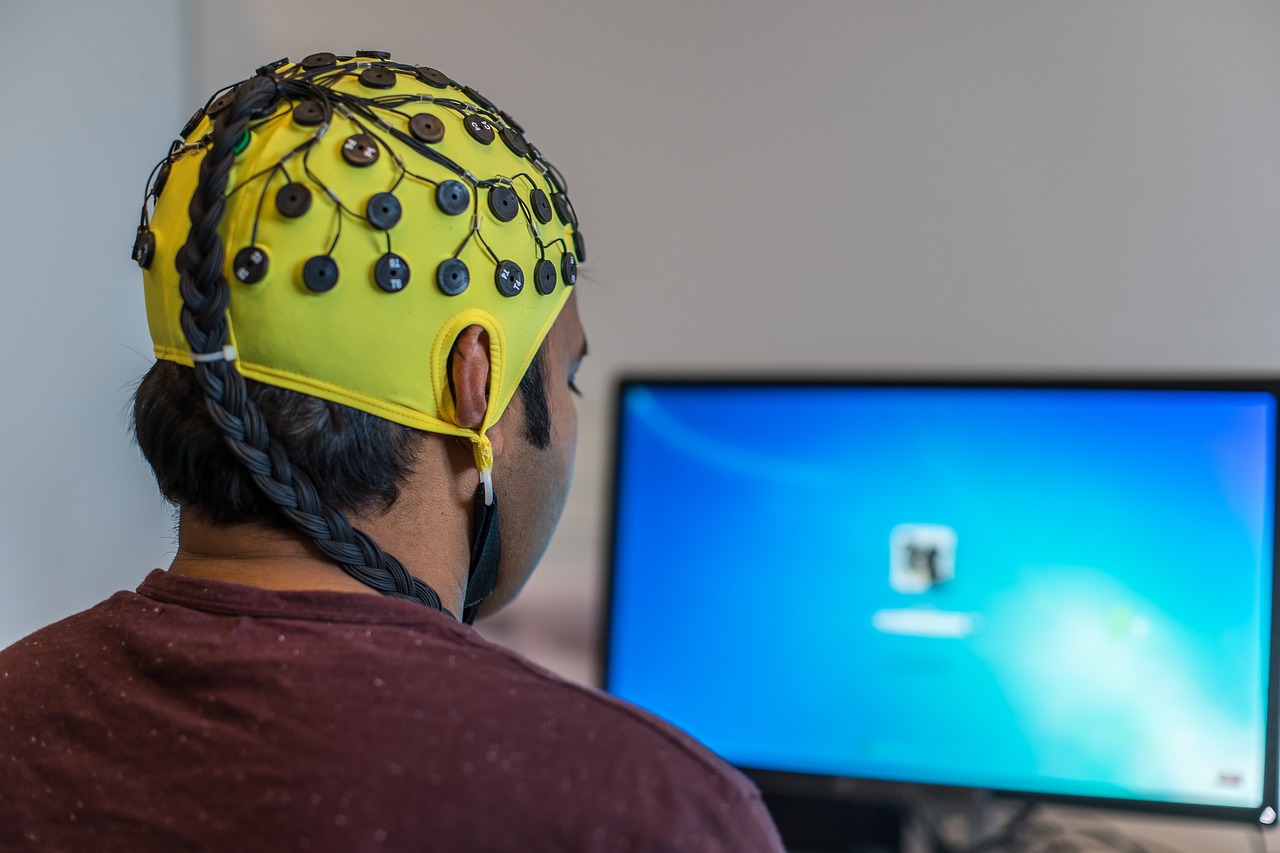
Flow states represent optimal consciousness where you feel and perform your best. Psychologist Mihaly Csikszentmihalyi first identified this phenomenon after studying artists who became so absorbed in their work they’d forget to eat or sleep. During flow, your prefrontal cortex—the brain region responsible for self-criticism and time perception—temporarily deactivates through a process called transient hypofrontality.
This neurological shift creates profound changes in your mental state. Your brain releases a cascade of performance-enhancing neurochemicals including norepinephrine, dopamine, endorphins, anabolic hormones, and serotonin. Together, these chemicals sharpen focus, boost pattern recognition, increase motivation, decrease pain perception, and enhance lateral thinking by up to 400%.
Research from McKinsey reveals that executives in flow are five times more productive than their normal state. Even more compelling, studies show that if we could increase the time spent in flow by just 15-20%, overall workplace productivity would nearly double. These aren’t marginal gains—they’re transformative shifts in human capability.
The Momentum Principle: Why Flow Training Works
Momentum operates on a simple but powerful principle: objects in motion tend to stay in motion. This physical law applies equally to psychological and performance states. When you build momentum through flow training, you create a self-reinforcing cycle where each success makes the next one easier to achieve.
Flow training exercises specifically target the neurological pathways that facilitate easier access to these elevated states. Like building muscle through progressive resistance training, you can strengthen your capacity to enter and maintain flow through deliberate practice. The more frequently you access flow states, the lower the threshold becomes for future entry.
Your brain essentially learns the neural signature of flow and creates shortcuts to return there. This neuroplasticity means that flow isn’t a rare accident but a trainable skill that improves with consistent application of the right techniques.
⚡ Core Flow Training Exercises to Build Unstoppable Momentum
Challenge-Skills Balance Protocol
The foundational principle of flow entry requires matching task difficulty with your skill level. Too easy creates boredom; too difficult triggers anxiety. The sweet spot sits approximately 4% beyond your current capabilities—challenging enough to demand full attention without overwhelming your abilities.
Begin by assessing your current skill level in your target activity. Rate it honestly on a scale of 1-10. Next, identify tasks or goals that would rate 4-5% higher in difficulty. Break complex projects into micro-challenges that maintain this optimal ratio. As your skills improve, progressively increase challenge difficulty to maintain the balance.
This protocol works because it keeps your neurochemical system engaged. When challenges slightly exceed skills, your brain releases norepinephrine and cortisol for heightened alertness. Simultaneously, the achievability of the goal triggers dopamine release for motivation. This combination creates the neurological foundation for flow states.
Clear Goals Mapping Exercise
Flow requires unambiguous objectives that your brain can track and measure. Vague intentions like “work on project” don’t activate the goal-tracking mechanisms necessary for flow. Instead, practice defining crystal-clear, immediate goals for every work session.
Structure your goals using the SMART framework modified for flow: Specific (exactly what you’ll accomplish), Measurable (concrete success criteria), Achievable (within your current session), Relevant (aligned with larger objectives), and Time-bound (with defined duration). For example: “Write 500 words of the marketing section in the next 60 minutes” rather than “make progress on the report.”
This exercise trains your reticular activating system—your brain’s filtering mechanism—to recognize relevant information and opportunities. With clear targets, your unconscious mind becomes an ally, automatically directing attention and resources toward goal achievement.
Immediate Feedback Integration
Flow states thrive on real-time feedback that confirms whether you’re on track. Without feedback, your brain wastes cognitive resources wondering about performance quality, pulling you out of the present moment. Build feedback loops directly into your work processes.
For physical activities, feedback comes naturally through bodily sensations and observable results. For cognitive work, create artificial feedback systems. Use timers to track productivity intervals, maintain visible progress metrics, employ accountability partners for immediate response, or use software tools that provide instant performance data.
The key is reducing the gap between action and information about that action. When feedback arrives within seconds or minutes rather than days or weeks, your brain maintains the engagement necessary for sustained flow states.
🎯 Advanced Momentum Acceleration Techniques
Attention Architecture Design
Your environment significantly impacts flow accessibility. External distractions fragment attention and prevent the deep concentration flow requires. Design your physical and digital spaces specifically to support undivided attention during flow training sessions.
Implement a distraction-free zone during designated flow periods. This means silencing notifications, closing unnecessary browser tabs, using website blockers, wearing noise-canceling headphones, and establishing boundaries with colleagues or family. Create visual cues that signal “deep work mode” to others and train yourself to enter flow when encountering these environmental triggers.
Your attention is a finite resource that depletes throughout the day. Schedule flow training during your peak cognitive hours—typically within the first few hours after waking for most people. Protect these high-value time blocks ruthlessly, treating them as non-negotiable appointments with peak performance.
Pre-Flow Ritual Development
Elite performers across domains use consistent pre-performance routines to trigger optimal states. These rituals serve as neurological switches that signal your brain to transition into performance mode. Develop a personalized 5-15 minute ritual that you execute before every flow training session.
Your ritual might include specific breathwork patterns (box breathing or physiological sighs), brief physical movement or stretching, reviewing your clear goals and success criteria, listening to particular music, or engaging in visualization exercises. The specific components matter less than consistency—performing the same sequence creates a Pavlovian response where the ritual itself triggers flow-conducive brain states.
Over time, this conditioning becomes incredibly powerful. Your pre-flow ritual essentially programs your neurology to anticipate and prepare for the elevated state, significantly reducing the time and effort required to achieve flow entry.
Recovery and Momentum Preservation
Sustainable peak performance requires strategic recovery. Flow states are neurochemically expensive, consuming significant mental resources. Without proper recovery, you’ll experience diminishing returns and burnout that destroys rather than builds momentum.
Implement structured rest periods between flow sessions. Use techniques like non-sleep deep rest (NSDR) protocols, brief walks in nature, complete mental disengagement activities, or social connection time. These recovery practices replenish the neurotransmitters depleted during intense focus and prevent the accumulation of cognitive fatigue.
Counter-intuitively, strategic rest actually accelerates momentum building. Your brain consolidates learning and strengthens neural pathways during rest periods, not during active engagement. Viewing recovery as an essential component of training rather than wasted time transforms your relationship with rest and enhances overall performance capacity.
🔄 The Flow Training Progression Framework
Building sustainable access to flow states follows a logical progression from foundational practices to advanced applications. Rushing this process undermines long-term momentum development. Follow this evidence-based framework for optimal results:
Week 1-2: Foundation Phase – Focus exclusively on creating distraction-free environments and implementing clear goal-setting practices. Success here means consistently working without interruption for progressively longer periods, starting with just 15-20 minutes.
Week 3-4: Challenge Calibration – Refine your ability to identify the optimal challenge-skills balance. Practice breaking complex tasks into appropriately sized micro-challenges. You’ll know you’ve mastered this when work feels engaging without overwhelming anxiety.
Week 5-6: Feedback Loop Integration – Build real-time feedback mechanisms into your work processes. Experiment with different feedback types to discover what keeps you most engaged and present.
Week 7-8: Ritual Development – Establish and refine your pre-flow ritual. Test different components and sequences to find what most effectively transitions you into focused states.
Week 9-12: Momentum Consolidation – Focus on consistency over intensity. The goal is regular flow state access, creating the neurological patterns that make future entry progressively easier.
Beyond Week 12: Advanced Optimization – Experiment with extending flow duration, accessing flow in various contexts, and teaching flow principles to others to deepen your own understanding.
Common Obstacles and Strategic Solutions
Even with perfect technique, you’ll encounter barriers to flow state access. Understanding these obstacles and their solutions prevents discouragement and maintains momentum during challenging periods.
The Perfectionism Trap: Waiting for ideal conditions before attempting flow training guarantees failure. Flow emerges from action, not contemplation. Start with imperfect implementation rather than perfect planning. Your pre-flow ritual doesn’t need to be optimized before providing benefits.
Motivation Fluctuation: Relying on inspiration to practice flow training creates inconsistent results. Instead, anchor your practice to existing habits through implementation intentions: “After I finish my morning coffee, I will begin my pre-flow ritual.” This removes motivation from the equation by making practice automatic.
Comparison Paralysis: Measuring your flow experiences against others’ reported peak states undermines your progress. Flow is highly individual in both quality and accessibility. Your five-minute flow state represents meaningful progress regardless of someone else’s hour-long experience. Focus on personal improvement rather than external benchmarks.
Results Impatience: Flow training produces compounding returns, not linear ones. Initial progress feels slow and inconsistent. Trust the process and focus on accumulating practice hours rather than achieving immediate breakthroughs. Most practitioners report significant improvements around the 40-50 hour mark of deliberate practice.
📊 Measuring Your Momentum Progress
What gets measured gets managed. Track specific metrics to quantify your flow training progress and maintain motivation during inevitable plateaus. Avoid vanity metrics that don’t reflect genuine improvement.
Key performance indicators for flow development include: frequency of flow state access per week, average duration of sustained flow periods, subjective flow state quality rated on a consistent scale, time required to enter flow after beginning your ritual, and task completion rates during flow versus normal states.
Maintain a simple flow journal documenting these metrics along with contextual factors like sleep quality, stress levels, environmental conditions, and task types. Over weeks and months, patterns emerge revealing your personal flow triggers and obstacles. This data-driven approach removes guesswork and enables continuous optimization of your training protocol.
Integrating Flow Training Into Daily Life
The ultimate goal isn’t occasional access to peak states during dedicated training sessions but integrating flow into your regular life and work. This transfer from practice to application represents the true mastery of momentum.
Begin by identifying your most important activities—those with the highest leverage on your goals and wellbeing. These become your priority targets for flow state application. Redesign how you approach these activities using the principles you’ve developed through flow training exercises.
Gradually expand flow practices into additional domains. If you’ve been training with creative work, experiment with applying the same principles to physical exercise, learning new skills, or even social interactions. Each successful transfer strengthens your overall flow capacity and demonstrates the universal applicability of these techniques.
Remember that flow exists on a spectrum from microflow (brief moments of absorption) to macroflow (extended peak performance states). You don’t need hours of uninterrupted time to benefit from flow principles. Even 15-minute pockets of focused engagement compound into significant performance improvements over time.

🚀 Your Momentum Mastery Action Plan
Knowledge without implementation remains theoretical. Transform these flow training concepts into lived experience through immediate action. Your momentum begins the moment you commit to deliberate practice rather than passive consumption of information.
Start today by selecting one flow training exercise from this guide. The challenge-skills balance protocol offers the most accessible entry point for beginners. Identify a specific task you’ll complete in the next 24 hours, ensure it sits slightly beyond your current comfort zone, eliminate potential distractions, and give yourself permission to enter a beginner’s flow state.
Your first experience won’t be transcendent—and that’s perfectly normal. Flow training builds gradually through consistent practice, not dramatic breakthroughs. Focus on showing up repeatedly, trusting that your neurology is adapting even when you don’t feel immediate changes. Within weeks, you’ll notice tasks that once required enormous willpower now feel almost effortless as you’ve developed the momentum to carry you forward.
The path to mastering your momentum and unlocking sustainable peak performance isn’t mysterious or reserved for exceptional individuals. It’s a systematic training process accessible to anyone willing to apply proven flow state principles with consistency and patience. Your transformation begins with the simple decision to start.