Your brain operates in distinct rhythmic patterns that directly influence your ability to concentrate, create, and accomplish tasks. Understanding and aligning with these natural cycles can transform how you work and think.

Modern neuroscience has revealed that our brains don’t function at a constant level throughout the day. Instead, they fluctuate through various states of alertness, focus, and creativity. These oscillations, known as brainwave patterns, hold the key to unlocking unprecedented levels of productivity. By learning to recognize and harness these natural rhythms, you can optimize your mental performance and achieve what once seemed impossible.
🧠 Understanding Your Brain’s Wave Patterns
The human brain generates electrical activity that can be measured and categorized into different frequency bands. These brainwave patterns correspond to distinct mental states, each serving unique cognitive functions. Neuroscientists have identified five primary brainwave categories that govern everything from deep sleep to intense concentration.
Delta waves (0.5-4 Hz) dominate during deep, dreamless sleep and facilitate physical healing and regeneration. Theta waves (4-8 Hz) emerge during light sleep, meditation, and creative states. Alpha waves (8-13 Hz) characterize relaxed awareness and are present when you’re calm but alert. Beta waves (13-30 Hz) accompany active thinking and focused attention. Finally, gamma waves (30-100 Hz) represent peak cognitive performance and information processing.
The Peak Focus Sweet Spot
Peak productivity occurs when your brain enters specific combinations of these wave patterns. The ideal state for focused work typically involves a strong presence of beta waves combined with supporting alpha frequencies. This combination allows for sustained attention while maintaining mental flexibility and preventing cognitive fatigue.
Research conducted at leading neuroscience laboratories has demonstrated that individuals who can consciously shift into these optimal brainwave states experience significant improvements in task completion, problem-solving abilities, and creative output. The challenge lies in learning how to access these states consistently and on demand.
⏰ Your Brain’s Natural Rhythm Cycles
Beyond individual brainwave patterns, your cognitive abilities follow predictable cycles throughout the day. The most significant of these is the ultradian rhythm, which operates in approximately 90-120 minute intervals. During each cycle, your brain moves through phases of high alertness followed by periods requiring rest and recovery.
Understanding these cycles explains why you might feel incredibly focused for an hour or two, then suddenly experience mental fog or distraction. Your brain isn’t failing you—it’s following its natural programming. Working against these rhythms leads to diminishing returns, while aligning with them multiplies your effectiveness.
The Circadian Connection
Your circadian rhythm, the 24-hour cycle governing sleep and wakefulness, also profoundly impacts your brainwave patterns. Most people experience peak cognitive performance during specific windows: typically mid-morning (around 10 AM) and late afternoon (around 4 PM). However, individual chronotypes—whether you’re naturally a morning lark or night owl—significantly influence these optimal windows.
Cortisol and melatonin levels fluctuate throughout the day, directly affecting which brainwave patterns dominate at different times. When cortisol peaks in the morning, your brain naturally produces more beta waves, making this an ideal time for analytical tasks. As evening approaches and melatonin increases, alpha and theta waves become more prominent, favoring creative and intuitive thinking.
🎯 Strategies to Enter Peak Focus States
Accessing optimal brainwave patterns isn’t left to chance. Specific techniques can help you consciously shift your brain into productive states. These methods range from simple environmental adjustments to sophisticated training protocols.
Binaural Beats and Auditory Entrainment
Your brain has a remarkable tendency to synchronize with external rhythmic stimuli—a phenomenon called entrainment. Binaural beats leverage this by presenting slightly different frequencies to each ear. When your brain processes these tones, it perceives a third frequency equal to the difference between them, potentially guiding your brainwaves toward desired patterns.
For focus enhancement, binaural beats in the beta range (13-30 Hz) can help establish concentration. Alpha-range beats (8-13 Hz) facilitate relaxed awareness ideal for learning and memory consolidation. While research on binaural beats shows mixed results, many users report subjective improvements in focus and mental clarity.
Breath Work and Coherence
Your breathing pattern directly influences your brainwave activity. Slow, rhythmic breathing at approximately six breaths per minute induces physiological coherence—a state where your heart rate variability, breathing, and brainwaves synchronize. This state corresponds with optimal alpha-theta wave combinations that enhance both focus and creativity.
Implementing a simple breathing protocol before demanding cognitive tasks can prime your brain for peak performance. Try this sequence: inhale for four counts, hold for four counts, exhale for six counts, and hold for two counts. Repeat for five minutes to establish coherence and shift into productive brainwave patterns.
💡 Environmental Optimization for Brain Rhythms
Your physical environment exerts substantial influence over your brainwave patterns. Light exposure, sound levels, temperature, and even color schemes can either support or disrupt optimal cognitive states.
Light and Wavelength Management
Light exposure serves as the primary regulator of your circadian rhythm, which in turn affects brainwave patterns. Blue-wavelength light, abundant in morning sunlight and digital screens, suppresses melatonin and promotes beta wave production. This makes it valuable for morning focus sessions but detrimental to evening wind-down periods.
Strategic light management involves maximizing bright, blue-rich light exposure in the morning to strengthen your circadian rhythm and promote alertness. As afternoon transitions to evening, gradually shift toward warmer, dimmer lighting to allow alpha and theta waves to emerge naturally, preparing your brain for rest and recovery.
Acoustic Environment Design
Sound profoundly impacts cognitive performance, but the relationship isn’t straightforward. Complete silence can be distracting for some, while moderate ambient noise (around 70 decibels—similar to a coffee shop) often enhances creativity for others. The key lies in matching your acoustic environment to your intended brainwave state.
For deep focus requiring strong beta waves, either silence or non-lyrical music with a consistent tempo around 60-80 beats per minute works best. For creative tasks benefiting from alpha-theta patterns, nature sounds or ambient music can facilitate the desired state without demanding attention.
🔄 Work-Rest Protocols for Sustained Performance
Attempting to maintain peak focus for extended periods depletes cognitive resources and disrupts natural brainwave cycling. Instead, strategic oscillation between work and rest intervals optimizes productivity while preventing burnout.
The Ultradian Rhythm Advantage
Aligning your work schedule with 90-minute ultradian cycles produces remarkable results. Structure your day around focused work blocks lasting 75-90 minutes, followed by 15-20 minute rest intervals. During work blocks, minimize interruptions and maintain singular focus. During rest periods, completely disengage from cognitive demands.
This protocol prevents the gradual degradation of focus that occurs when pushing beyond your brain’s natural rhythm. Rather than experiencing declining returns throughout the day, you maintain consistent high performance across multiple cycles. The rest periods aren’t wasted time—they’re essential for consolidating learning and preparing your brain for the next peak performance window.
Strategic Recovery Techniques
Not all rest is equal. Passive rest like scrolling social media doesn’t facilitate the brainwave shift needed for true recovery. Effective recovery activities promote alpha wave dominance while allowing beta waves to diminish. Walking, particularly in natural settings, represents one of the most effective recovery strategies.
Brief meditation sessions during rest intervals accelerate the transition to restorative brainwave patterns. Even five minutes of mindfulness practice helps shift from beta to alpha dominance, preparing your brain for the next focused work session. Power naps of 10-20 minutes can also be valuable, especially during the mid-afternoon circadian dip.
📊 Measuring and Tracking Your Brain Patterns
While internal awareness provides valuable feedback, objective measurement offers deeper insights into your unique brainwave patterns and optimal productivity windows. Modern technology has made personal brainwave monitoring increasingly accessible.
Consumer EEG Devices
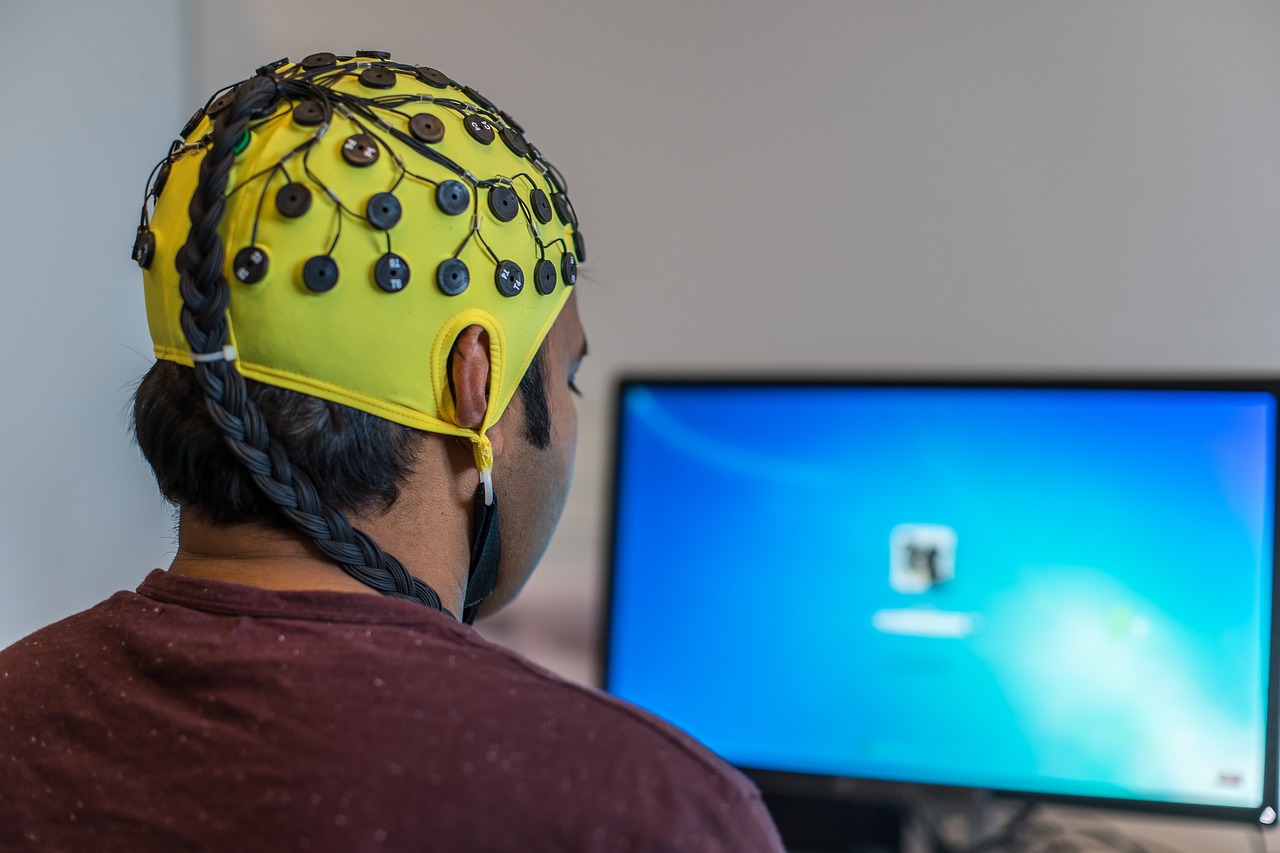
Portable electroencephalography (EEG) devices allow you to monitor your brainwave activity in real-time. These headbands or headsets detect electrical activity on your scalp and translate it into understandable data about your mental state. While lacking the precision of clinical EEG systems, consumer devices provide sufficient accuracy for practical optimization.
By tracking your brainwave patterns during different activities and times of day, you can identify your personal peak performance windows and recognize which interventions effectively shift you into desired states. This data-driven approach removes guesswork and enables precise optimization of your cognitive schedule.
Subjective Performance Metrics
Objective measurement complements but doesn’t replace subjective awareness. Maintaining a productivity journal where you track energy levels, focus quality, creative output, and cognitive fatigue provides invaluable context. Over time, patterns emerge that reveal your unique rhythms and optimal protocols.
Rate your mental clarity, motivation, and task performance at regular intervals throughout the day. Note factors like sleep quality, exercise, nutrition, and environmental conditions. This comprehensive approach identifies relationships between variables and your brain’s performance patterns.
🚀 Advanced Techniques for Peak Performance
Once you’ve mastered fundamental rhythm optimization, advanced techniques can push your capabilities even further. These methods require more commitment but deliver proportional results.
Neurofeedback Training
Neurofeedback represents the gold standard for learning voluntary control over brainwave patterns. This training uses real-time EEG feedback to help you recognize and reproduce desired mental states. When your brain produces target frequencies, you receive positive feedback through visual or auditory cues.
Over multiple sessions, your brain learns to reliably enter specific states on command. Athletes, executives, and artists use neurofeedback to cultivate peak performance states. While professional neurofeedback requires specialized equipment and guidance, emerging consumer technologies are making this training more accessible.
Transcranial Stimulation Methods
Transcranial direct current stimulation (tDCS) and transcranial alternating current stimulation (tACS) apply weak electrical currents to specific brain regions, potentially modulating neural activity and brainwave patterns. While research continues, some studies suggest these methods can enhance focus, learning, and cognitive performance.
These techniques remain somewhat experimental and should be approached cautiously. If exploring electrical brain stimulation, work with qualified professionals and prioritize safety above performance gains. The field shows promise but requires more research before becoming mainstream productivity tools.
🌟 Integrating Rhythm Optimization into Daily Life
Knowledge without implementation changes nothing. The true power of understanding brainwave patterns emerges through consistent application in your daily routine. Start with foundational changes before progressing to advanced techniques.
Morning Ritual for Rhythm Establishment
Your morning routine sets the tone for your entire day’s cognitive performance. Upon waking, immediately expose yourself to bright light, preferably natural sunlight, to signal your circadian system and promote alertness. Combine this with light physical activity and hydration to accelerate the transition from delta-theta sleep patterns to alert beta waves.
Avoid cognitively demanding tasks during the first 30-60 minutes after waking. Your brain needs time to fully transition from sleep states. Instead, use this period for routine activities, physical movement, and gradual mental engagement. Once your system fully activates, typically 60-90 minutes post-waking, begin your first focused work block.
Evening Wind-Down Protocol
Just as morning routines optimize awakening, evening protocols facilitate the transition toward restorative sleep and theta-delta wave dominance. Two to three hours before bed, begin reducing light exposure and environmental stimulation. Dim lights, avoid screens when possible, and lower ambient noise.
Engage in activities that naturally promote alpha wave production: reading, gentle stretching, meditation, or calm conversation. Avoid vigorous exercise, intense mental work, or stressful content during this wind-down window. Your brain will naturally shift toward sleep-conducive patterns when you remove obstacles and provide appropriate cues.
🎨 Matching Tasks to Brain States
Different cognitive demands align with different brainwave patterns. Rather than forcing all tasks into the same mental state, strategic task scheduling leverages your brain’s natural fluctuations.
Analytical work requiring sustained attention—data analysis, detailed planning, complex problem-solving—demands strong beta wave presence. Schedule these tasks during your natural peak alertness windows, typically mid-morning after full awakening and possibly late afternoon during a second cortisol peak.
Creative tasks benefit from alpha-theta combinations that facilitate divergent thinking and novel connections. These states naturally emerge during relaxed periods, often after physical activity or during the transition between alertness and drowsiness. Many people experience enhanced creativity in the evening or immediately after waking.
Routine tasks requiring minimal cognitive load can be scheduled during transition periods or lower-energy windows. Use these activities as active rest between demanding cognitive blocks, allowing your brain to shift states while maintaining productivity.
⚡ Long-Term Brain Rhythm Optimization
While immediate interventions produce noticeable effects, consistent practice over weeks and months compounds into transformative change. Your brain demonstrates remarkable plasticity, strengthening patterns you regularly activate.
Building Cognitive Flexibility
The ultimate goal isn’t just accessing peak focus states but developing the ability to consciously shift between different brainwave patterns as needed. This cognitive flexibility represents true mastery, allowing you to match your mental state to any demand.
Regular meditation practice builds this flexibility by training your attention and awareness. Different meditation styles preferentially activate different brainwave patterns. Focused attention meditation strengthens beta waves, while open monitoring approaches enhance alpha-theta combinations. Alternating between styles develops comprehensive control.
Lifestyle Factors for Rhythm Health
Your brain’s ability to generate clean, distinct wave patterns depends on overall neurological health. Sleep quality, nutrition, physical fitness, and stress management all influence brainwave characteristics. Chronic stress, for instance, can lead to persistent high-beta patterns that impair both focus and relaxation.
Prioritize sleep consistency above all other factors. Irregular sleep schedules disrupt circadian rhythms and degrade brainwave pattern quality. Aim for consistent sleep and wake times, even on weekends. Regular aerobic exercise enhances brain health and strengthens the amplitude of all brainwave patterns, improving your capacity for both work and rest.

🔬 The Future of Brain Rhythm Optimization
Neuroscience continues advancing at an accelerating pace. Emerging technologies promise even more precise and powerful methods for optimizing brain function. Artificial intelligence systems are beginning to predict optimal productivity windows based on multi-factor analysis including sleep data, activity patterns, and physiological markers.
Non-invasive brain stimulation technologies are becoming more sophisticated and accessible. Future devices may automatically detect your current brainwave state and apply precise interventions to guide you toward desired patterns. Virtual reality environments could provide multi-sensory entrainment experiences optimized for specific cognitive goals.
Despite technological advances, fundamental principles remain constant. Your brain operates according to natural rhythms developed over millions of years of evolution. Technology can help you understand and leverage these rhythms more effectively, but it doesn’t replace the foundation of healthy sleep, appropriate rest, and alignment with circadian cycles.
The path to limitless productivity doesn’t involve overriding your brain’s natural patterns through stimulants and willpower. Instead, it requires understanding these patterns, respecting their wisdom, and working harmoniously with your neurobiology. When you align your activities with your brain’s rhythms rather than fighting against them, performance improves dramatically while effort decreases.
Begin implementing these principles gradually. Start by tracking your natural energy and focus patterns throughout the day. Identify when you naturally experience peak clarity and when your brain craves rest. Structure your schedule around these observations, placing demanding cognitive work during high-performance windows and allowing true recovery during low-energy periods.
Experiment with environmental optimization—adjust lighting, manage acoustic conditions, and implement strategic work-rest protocols. Notice which interventions produce the greatest impact on your focus and productivity. Build from this foundation toward more advanced techniques as you develop greater awareness and control.
Your brain possesses extraordinary capabilities that remain dormant when you work against its natural design. By harnessing the power of peak focus wave patterns and aligning with your brain’s inherent rhythms, you unlock cognitive performance that transforms not just productivity but your entire experience of work and creativity. The power has always been there—now you know how to access it. 🎯