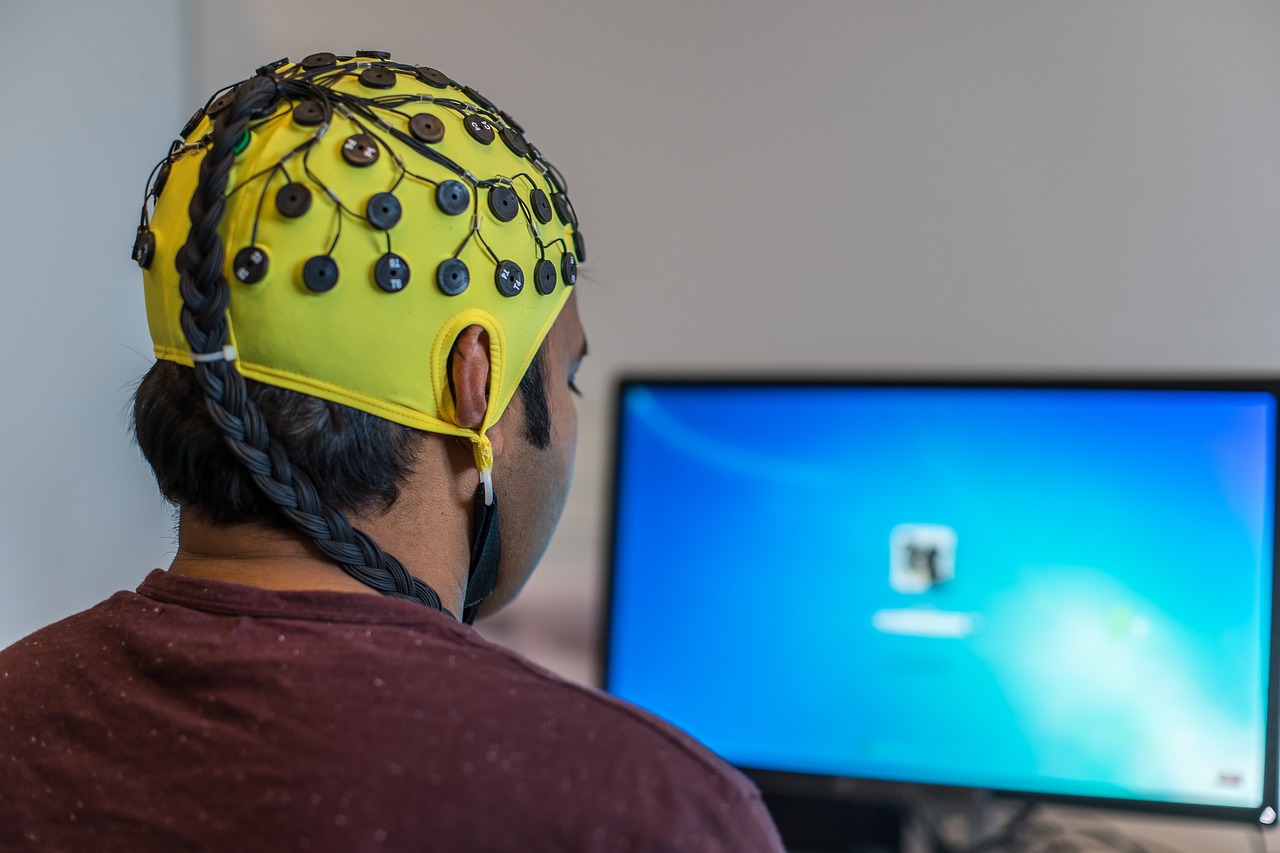
Your brain holds incredible power waiting to be unleashed. Modern neuroscience reveals that specific brainwave patterns directly influence memory formation, focus depth, and cognitive performance in ways we’re only beginning to understand.

Every thought, emotion, and memory creates electrical patterns within your brain. These brainwave frequencies—ranging from deep delta waves during sleep to rapid gamma waves during intense concentration—shape how effectively you learn, remember, and process information. Understanding and optimizing these natural rhythms offers a scientifically-backed pathway to dramatically enhance your mental capabilities without relying on stimulants or shortcuts.
🧠 Understanding the Science Behind Brainwave Optimization
Your brain generates five primary types of brainwaves, each operating at different frequencies and serving distinct cognitive functions. Delta waves (0.5-4 Hz) dominate during deep sleep, enabling cellular restoration and memory consolidation. Theta waves (4-8 Hz) emerge during meditation and light sleep, facilitating creativity and emotional processing. Alpha waves (8-13 Hz) appear during relaxation and calm focus, creating an ideal state for learning absorption.
Beta waves (13-30 Hz) characterize active thinking and problem-solving, while gamma waves (30-100 Hz) represent peak cognitive functioning and information processing. Research published in Neuroscience & Biobehavioral Reviews demonstrates that deliberate manipulation of these frequencies through various techniques can significantly enhance memory encoding, storage, and retrieval processes.
The hippocampus, your brain’s memory center, shows particularly strong sensitivity to theta and gamma wave activity. When these frequencies synchronize correctly, they create optimal conditions for transferring information from short-term to long-term memory storage—a process called memory consolidation that determines whether experiences become permanent memories or fade away.
The Connection Between Brainwaves and Memory Formation
Memory creation involves complex electrical communication between billions of neurons. When you encounter new information, neurons fire in specific patterns that generate measurable brainwave signatures. The strength and clarity of these electrical patterns directly correlate with how well that information embeds itself in your neural networks.
Studies using electroencephalography (EEG) technology reveal that individuals with stronger theta wave activity during learning sessions demonstrate superior recall performance days and weeks later. This connection exists because theta waves facilitate synaptic plasticity—your brain’s ability to form new connections between neurons, which physically represents learning and memory.
Furthermore, research from MIT’s Picower Institute for Learning and Memory shows that gamma wave oscillations play crucial roles in binding together disparate pieces of information into coherent memories. When you remember a past event, you don’t retrieve a single stored “file” but rather reassemble various sensory details, emotions, and contextual information—a process requiring precise gamma wave coordination.
Why Traditional Memory Techniques Often Fall Short
Conventional memory improvement strategies typically focus on behavioral methods like repetition, mnemonics, or organizational systems. While these approaches offer value, they overlook the fundamental electrical nature of memory processes. Without optimizing the underlying brainwave patterns, even the best memory techniques operate at reduced efficiency, like trying to run sophisticated software on outdated hardware.
Many people experience frustration when traditional methods yield inconsistent results. This inconsistency often stems from suboptimal brainwave states during learning attempts. Trying to memorize complex information while your brain operates in high-beta stress patterns essentially works against your neurobiology, making retention unnecessarily difficult regardless of technique quality.
⚡ Proven Methods to Harness Brainwave Power for Enhanced Memory
The most effective approach combines multiple evidence-based techniques that target different aspects of brainwave optimization. Rather than seeking a single magic solution, building a comprehensive strategy delivers compound benefits that transform cognitive performance over time.
Binaural Beats and Auditory Brainwave Entrainment
Binaural beats work by playing slightly different frequencies into each ear, causing your brain to perceive a third frequency equal to the mathematical difference between them. If your left ear receives 200 Hz and your right ear receives 210 Hz, your brain perceives a 10 Hz alpha wave frequency—ideal for relaxed, receptive learning states.
Research published in Psychological Research demonstrates that 40 Hz gamma-frequency binaural beats specifically enhance working memory capacity and attention span. Regular exposure to these targeted frequencies essentially trains your brain to enter optimal cognitive states more readily, creating lasting improvements in memory formation and recall abilities.
To implement this technique effectively, use high-quality headphones in a quiet environment for 15-30 minutes daily. Focus on theta frequencies (4-8 Hz) for creative problem-solving and memory consolidation, alpha frequencies (8-13 Hz) for learning new information, or gamma frequencies (40 Hz) for intense focus and information processing.
Neurofeedback Training for Cognitive Enhancement
Neurofeedback represents a more advanced approach where real-time EEG monitoring provides immediate feedback about your current brainwave state. This technology enables you to consciously recognize and reproduce mental states associated with optimal memory performance—essentially learning to control your brainwave patterns through operant conditioning.
Clinical studies show that neurofeedback training produces measurable improvements in working memory, attention control, and processing speed that persist long after training sessions end. The technique proves particularly effective for individuals struggling with attention deficits or age-related cognitive decline, offering drug-free intervention supported by substantial scientific evidence.
While professional neurofeedback requires specialized equipment and trained practitioners, consumer-grade EEG headbands now make basic brainwave monitoring accessible for home use. These devices pair with smartphone applications that gamify the training process, making neuroplasticity development engaging and sustainable.
Meditation Practices Designed for Memory Enhancement
Meditation naturally shifts brainwave patterns toward frequencies associated with enhanced cognitive performance. Regular practitioners show increased alpha wave activity during waking hours, indicating improved ability to enter relaxed, focused states conducive to learning and memory consolidation.
Focused attention meditation—concentrating on breathing or a specific object—strengthens theta and alpha wave generation while reducing interfering beta wave noise. This practice essentially trains your brain to maintain stable, coherent electrical patterns that support optimal memory encoding and retrieval processes.
Research from Johns Hopkins University reveals that individuals who practice meditation for just 10-15 minutes daily demonstrate significant improvements in working memory capacity within eight weeks. These benefits stem from structural changes in the hippocampus and prefrontal cortex, regions critical for memory formation and executive function.
🎯 Optimizing Your Daily Routine for Peak Brainwave Performance
Your lifestyle choices profoundly influence brainwave patterns and, consequently, cognitive performance. Creating an environment that naturally promotes optimal brain states amplifies the effects of targeted brainwave training techniques.
Strategic Sleep for Memory Consolidation
Sleep represents the most critical period for memory consolidation, when your brain replays and reinforces information encountered during waking hours. During deep sleep, slow delta waves facilitate the transfer of memories from temporary hippocampal storage to permanent cortical networks—a process absolutely essential for long-term retention.
Research demonstrates that even a single night of poor sleep impairs memory formation by up to 40%. Conversely, strategic napping after learning sessions significantly enhances retention. A 60-90 minute nap allows your brain to complete full sleep cycles, including the REM stages where emotional memories consolidate and creative connections form between disparate information.
To optimize sleep for memory enhancement, maintain consistent sleep-wake schedules that align with your circadian rhythm, avoid blue light exposure 2-3 hours before bed, and keep your sleeping environment cool (65-68°F/18-20°C). These practices promote natural progression through sleep stages and maximize time spent in memory-consolidating brain states.
Nutrition Strategies That Support Optimal Brainwave Function
Your brain consumes approximately 20% of your body’s energy despite representing only 2% of body weight. Providing proper fuel through strategic nutrition directly impacts brainwave generation and cognitive performance. Omega-3 fatty acids, particularly DHA, comprise significant portions of neuronal membranes and facilitate efficient electrical signaling between brain cells.
Studies show that individuals with higher omega-3 intake demonstrate enhanced alpha wave activity and improved working memory performance. Similarly, antioxidants like flavonoids found in berries protect neurons from oxidative stress that impairs electrical communication, while B-vitamins support neurotransmitter synthesis essential for generating appropriate brainwave patterns.
Key nutrients for brainwave optimization include:
- Fatty fish (salmon, mackerel, sardines) providing omega-3 fatty acids for membrane integrity
- Blueberries and dark chocolate containing flavonoids that enhance cerebral blood flow
- Leafy greens offering B-vitamins critical for neurotransmitter production
- Nuts and seeds supplying magnesium that regulates neural excitability
- Green tea providing L-theanine that promotes alpha wave generation
Exercise Timing for Cognitive Enhancement
Physical activity profoundly influences brainwave patterns and neuroplasticity. Moderate aerobic exercise increases production of brain-derived neurotrophic factor (BDNF), a protein that stimulates new neuron growth and strengthens synaptic connections—the physical basis of memory formation.
Research reveals that learning immediately after exercise produces superior retention compared to sedentary conditions. This advantage stems from elevated BDNF levels and optimized brainwave states that persist for 30-60 minutes post-exercise. Exercise also reduces excessive beta wave activity associated with stress and anxiety, which typically interfere with memory encoding.
For maximum cognitive benefit, engage in 20-30 minutes of moderate-intensity cardio (reaching 65-75% maximum heart rate) before important learning sessions. Morning exercise proves particularly effective, establishing beneficial brainwave patterns that enhance focus and memory throughout the entire day.
🔬 Advanced Techniques for Accelerated Memory Improvement
Once you’ve established foundational practices, incorporating advanced methods can produce dramatic acceleration in cognitive enhancement results. These techniques leverage cutting-edge neuroscience discoveries about brainwave manipulation and memory optimization.
Transcranial Direct Current Stimulation (tDCS)
This non-invasive technique applies weak electrical currents to specific brain regions, modulating neural activity and brainwave patterns. Research published in Current Biology demonstrates that tDCS targeting the dorsolateral prefrontal cortex significantly enhances working memory capacity and learning speed.
While tDCS devices were once restricted to research laboratories, FDA-approved consumer devices now enable home use under appropriate safety guidelines. The technique shows particular promise for accelerating skill acquisition and counteracting age-related cognitive decline, though users should thoroughly research safety protocols before implementation.
Theta-Gamma Coupling Exercises
Advanced meditation practices deliberately cultivate specific relationships between different brainwave frequencies. Theta-gamma coupling—where high-frequency gamma oscillations nest within slower theta rhythms—represents an especially powerful state for memory formation and insight generation.
This coupling pattern naturally occurs during REM sleep and certain meditation states. Training yourself to produce this pattern during waking consciousness creates exceptional conditions for learning and creative problem-solving. Experienced meditators can achieve this state through practices combining focused attention with open awareness, though mastery typically requires consistent practice over several months.
💡 Measuring Progress and Optimizing Your Approach
Effective cognitive enhancement requires tracking results and adjusting strategies based on objective data. Subjective impressions often prove unreliable for assessing cognitive changes, making measurement tools essential for optimizing your approach.
Quantifying Memory Performance
Establish baseline measurements before implementing brainwave optimization techniques, then reassess regularly to track improvements. Standardized tests like the digit span test (working memory), paired associates test (episodic memory), and continuous performance tests (sustained attention) provide objective metrics for cognitive function.
Many smartphone applications offer scientifically-validated cognitive assessments that track performance over time, revealing patterns and improvements that might not be subjectively apparent. Regular testing every 2-4 weeks provides sufficient data to identify effective strategies while allowing time for neuroplastic changes to manifest.
Monitoring Brainwave Patterns
Consumer EEG devices enable direct measurement of brainwave activity, providing objective feedback about your brain’s electrical patterns during different activities and states. This data reveals whether your optimization efforts actually produce desired changes in neural function rather than relying on guesswork.
Modern EEG headbands connect to smartphone applications that display real-time brainwave data, allowing you to identify which practices most effectively shift your brain toward optimal states. This biofeedback accelerates learning by providing immediate confirmation when you successfully generate target brainwave patterns.
🚀 Creating Your Personalized Brainwave Optimization Protocol
Individual brainwave patterns vary significantly based on genetics, lifestyle factors, and personal history. The most effective enhancement strategy recognizes this individuality and creates customized protocols targeting your specific cognitive profile and goals.
Begin with foundational practices—consistent sleep schedules, strategic nutrition, and basic meditation—that benefit virtually everyone regardless of baseline cognitive function. After establishing these fundamentals for 2-3 weeks, gradually introduce more targeted techniques like binaural beats or neurofeedback based on specific areas requiring improvement.
Track both objective performance metrics and subjective experiences in a journal or tracking application. Note which techniques produce the most noticeable improvements in focus, learning speed, and recall ability. This data-driven approach enables continuous refinement, ensuring your protocol evolves alongside your changing cognitive capabilities.
The Synergistic Power of Combined Approaches
While individual techniques offer measurable benefits, the most dramatic cognitive enhancement results from combining multiple complementary approaches. Brainwave optimization works synergistically with traditional memory techniques, nutritional interventions, and lifestyle modifications to produce results exceeding any single method’s potential.
Consider implementing a comprehensive daily routine: morning exercise to elevate BDNF and establish optimal brainwave patterns, strategic nutrition to fuel neural function, binaural beats or meditation before important learning sessions, and consistent sleep schedules to maximize memory consolidation. This multi-faceted approach addresses cognitive performance from numerous angles simultaneously, producing compound benefits that transform mental capabilities.
Research consistently shows that individuals employing comprehensive cognitive enhancement protocols demonstrate superior results compared to those focusing narrowly on single interventions. The brain’s complexity means that multiple pathways influence memory and focus—addressing these various pathways simultaneously produces exponential rather than merely additive improvements.
Sustaining Long-Term Cognitive Enhancement
The ultimate goal extends beyond temporary performance boosts to creating lasting improvements in cognitive capacity. Neuroplasticity—your brain’s ability to reorganize and form new connections—makes sustained enhancement possible, but only when interventions continue long enough to solidify structural changes.
Most neuroscience research indicates that significant neuroplastic changes require consistent practice over 8-12 weeks minimum. Initial improvements often reflect temporary optimization of existing neural networks, while lasting enhancement requires growing new synaptic connections and strengthening communication pathways—processes that unfold gradually over months.
Approach brainwave optimization as a long-term investment in cognitive health rather than a quick fix. Consistent daily practice, even in small doses, produces far superior results compared to intensive but sporadic efforts. The brain responds best to regular, predictable stimulation that reinforces desired patterns through repetition and consistency.

Unlocking Your Cognitive Potential
Your brain possesses extraordinary capabilities that remain largely untapped in most people. By understanding and deliberately optimizing the electrical patterns underlying all cognitive functions, you gain unprecedented control over mental performance, memory capacity, and learning ability.
The convergence of neuroscience research and accessible technology has created unprecedented opportunities for cognitive enhancement based on solid scientific principles rather than pseudoscientific claims. Brainwave optimization represents not just a collection of techniques but a fundamental shift in how we approach mental development—moving from passive acceptance of cognitive limitations to active cultivation of neural potential.
Begin your journey today with simple, evidence-based practices that require no special equipment or expertise. Track your progress objectively, remain patient with the neuroplastic process, and trust that consistent effort will reshape your brain’s electrical patterns toward states of exceptional focus, enhanced memory, and peak cognitive performance. The limitless potential already exists within your neurons—brainwave optimization simply provides the key to unlock it.